
What High-Performing Ops Teams Never Outsource to a Meeting
The highest-performing operations teams share a counterintuitive trait: they have fewer meetings than the teams around them, and they get more done. This is not because they communicate less. It is because they have built a working environment where the categories of information that most teams address in meetings, project status, approval outcomes, incoming requests, and operational data, are already visible to everyone who needs them before anyone calls a meeting to share them. The meetings these teams do have are genuinely necessary: they contain decisions that require real-time deliberation rather than information that should have been visible all along. Everything else has been outsourced to the infrastructure rather than to a calendar block. That infrastructure is built on project management tools that surface the right information to the right person at the right moment without anyone having to schedule a conversation to deliver it.
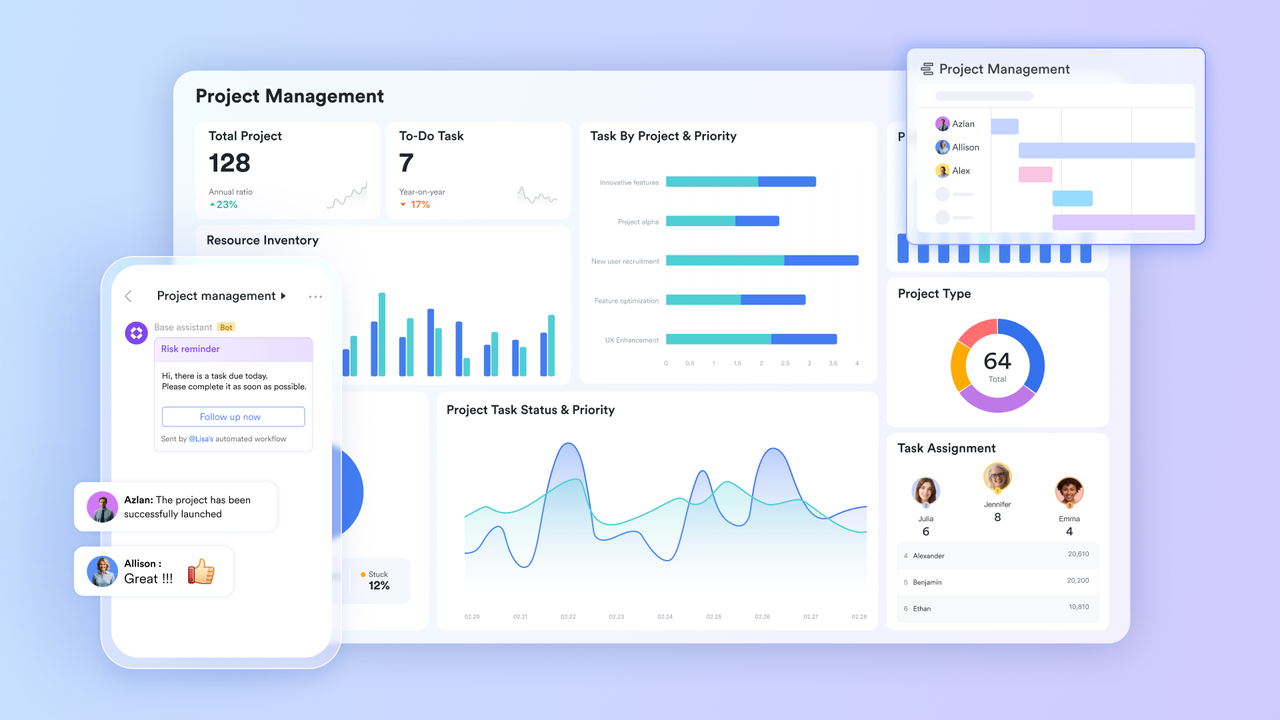
Status that reports itself with Lark Base
The weekly operations status meeting exists for one reason: the operational data is not visible to the people who need it until someone assembles it and presents it to them. Remove the assembly requirement and the meeting loses its justification. Lark Base removes it.
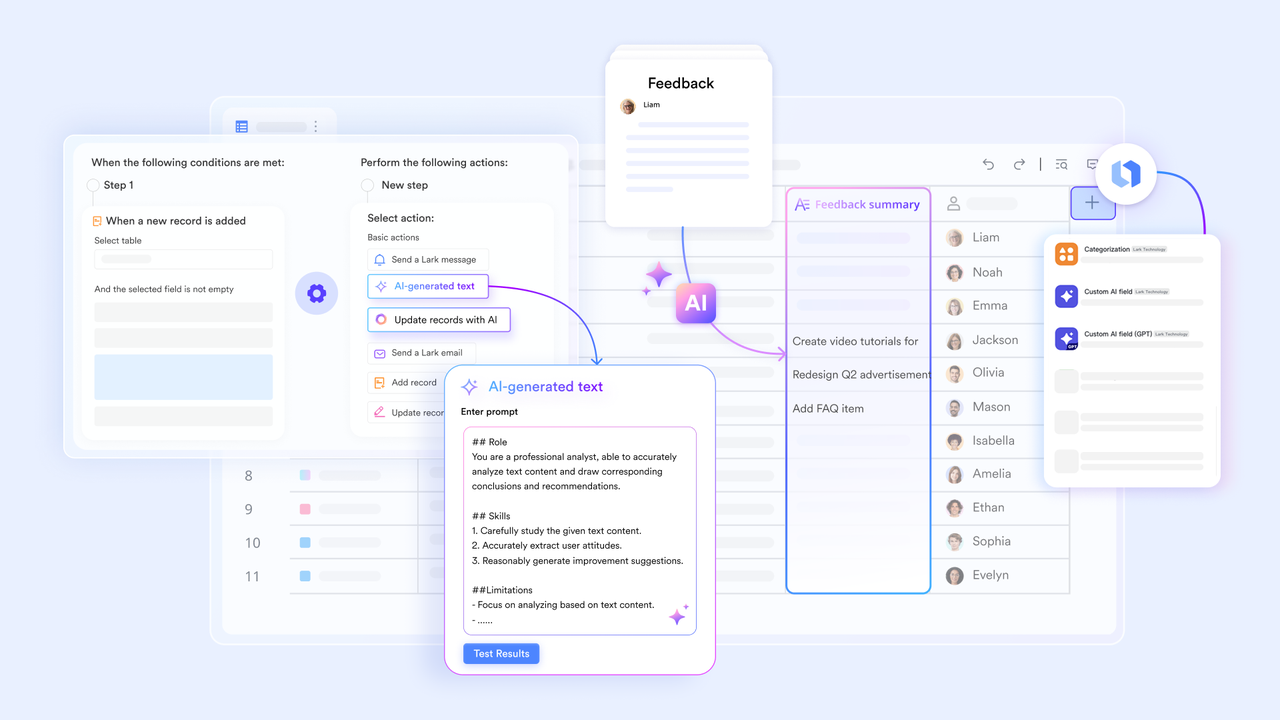
- Shared Kanban and Gantt views give every team member and every stakeholder a live picture of every project's current state without anyone having to compile or distribute a report.
- Automated status-change notifications reach the right people at the moment a record changes, so the information travels directly to whoever needs to act on it rather than waiting for a meeting to relay it. Exploring how AI ML data science powers automation helps ops teams identify where intelligent systems can further reduce manual update cycles.
- "Real-time cross-Base sync" allows operational data from separate departmental databases to appear in a consolidated management view, so the operations leader sees the full organizational picture without requesting updates from individual team leads.
Approval decisions that communicate themselves with Lark Approval
The approval status meeting is one of the most common and most avoidable meetings in operations. Its entire purpose is to answer the question of where a specific request stands in the review process, a question that a well-designed approval system should answer automatically without requiring a meeting to ask it.
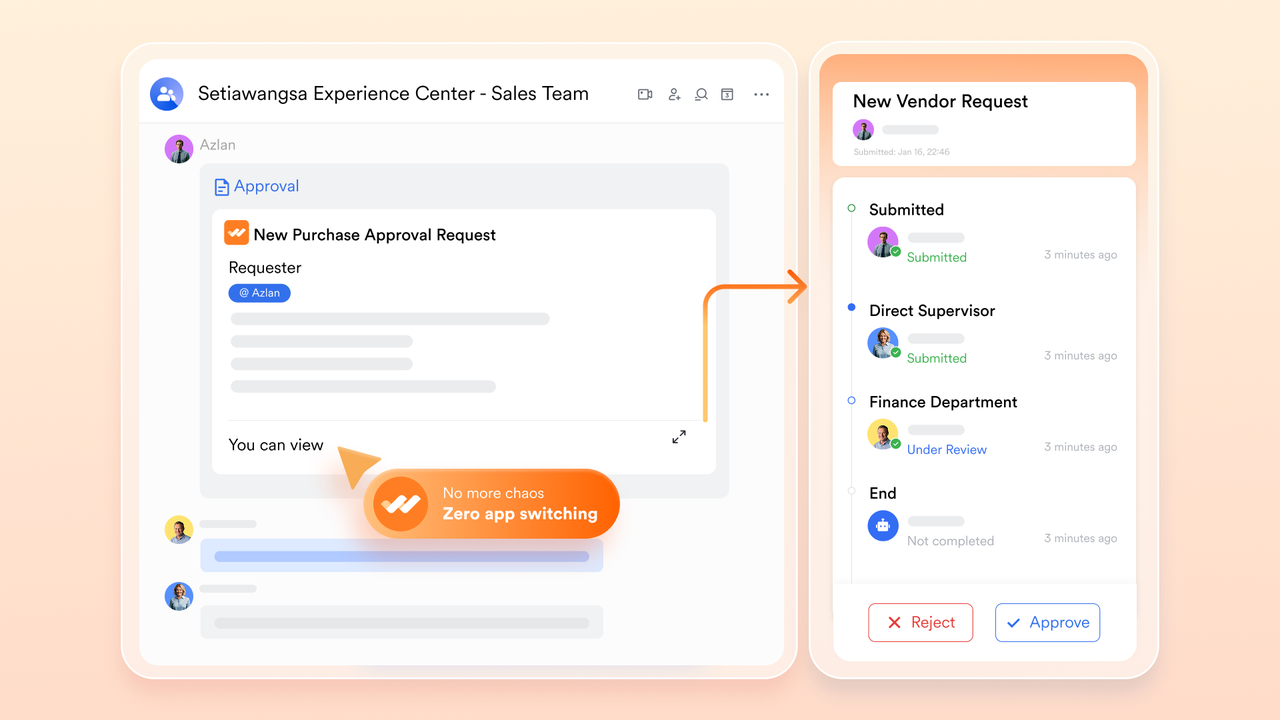
- "Approval Notifications" reach the submitter and every relevant stakeholder at each stage transition automatically, so the approval status is communicated at the moment it changes rather than at the next scheduled meeting.
- Live request tracking allows the submitter to see exactly which stage their request is at and which approver currently holds it without sending any messages or attending any meetings.
- "Conditional Branches" ensure that requests reaching a final decision are routed to the appropriate authority automatically, so the escalation that used to require a meeting to initiate happens without human intervention.
Structured intake that replaces the request catch-up meeting with Lark Forms
Operations teams that receive requests through unstructured channels, chat, email, and verbal conversations, spend a significant portion of their time in catch-up meetings designed to ensure that nothing has been missed and that every request has been correctly interpreted. Lark Forms makes that meeting unnecessary by ensuring that every request arrives complete and structured from the moment it is submitted.
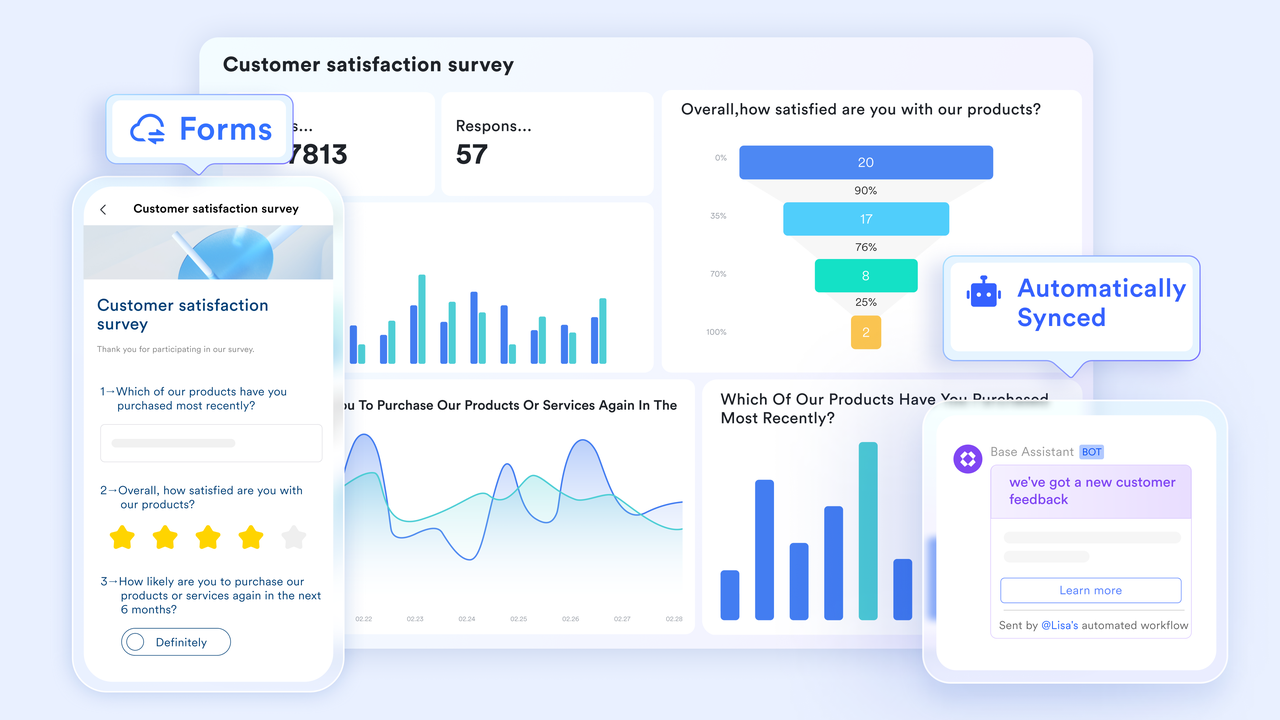
- Conditional logic within forms ensures that every submission includes exactly the fields relevant to its type, so the operations team receives complete, correctly categorized requests without having to follow up for missing information.
- Every submission maps directly into a Lark Base operational queue as a structured record, so the full intake picture is always visible and current without requiring a meeting to establish which requests are pending, which are in progress, and which have been resolved.
- Completion notifications go to the submitter automatically when their request has been actioned, so the status communication that would have required a follow-up message or a check-in meeting happens automatically.
Financial data that does not need a presentation to reach its audience with Lark Sheets
The financial review meeting that consumes an afternoon every month exists because the financial data has to be assembled, formatted, and presented to the people who need it. When the data is live and the people who need it have direct access to a current view of their own numbers, the presentation step becomes optional for routine review and the meeting that supported it loses its reason to exist.
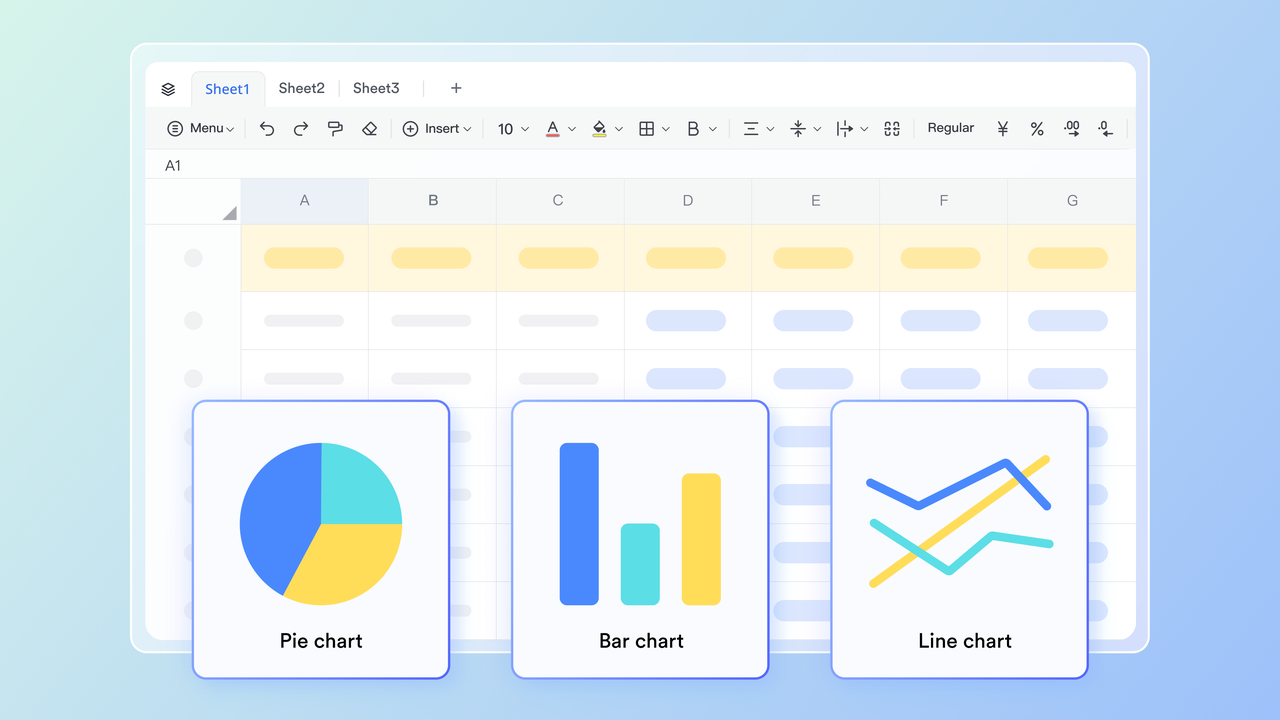
- Cross-sheet formula references update every dependent calculation automatically when any source data changes, so the budget summary, the variance report, and the forecast are always current without a manual reconciliation step before each review.
- Granular sharing controls give each budget owner direct access to their own financial position in real time, so the routine "how are we tracking against budget?" question is answered by the spreadsheet rather than the finance team in a meeting. Operations professionals managing budgets can build stronger foundations with this guide on personal finance planning to make more informed financial decisions.
- Linked charts in Lark Slides presentations update automatically when source data changes, so the leadership review deck is always current without a manual rebuild before every session.
Communication that reaches the team without a briefing meeting with Lark Messenger
The team briefing meeting is often the most replaceable meeting on an operations calendar. Its function is to ensure that important information has reached everyone who needs it. That function is better served by a communication infrastructure that confirms delivery than by a meeting that assumes it.
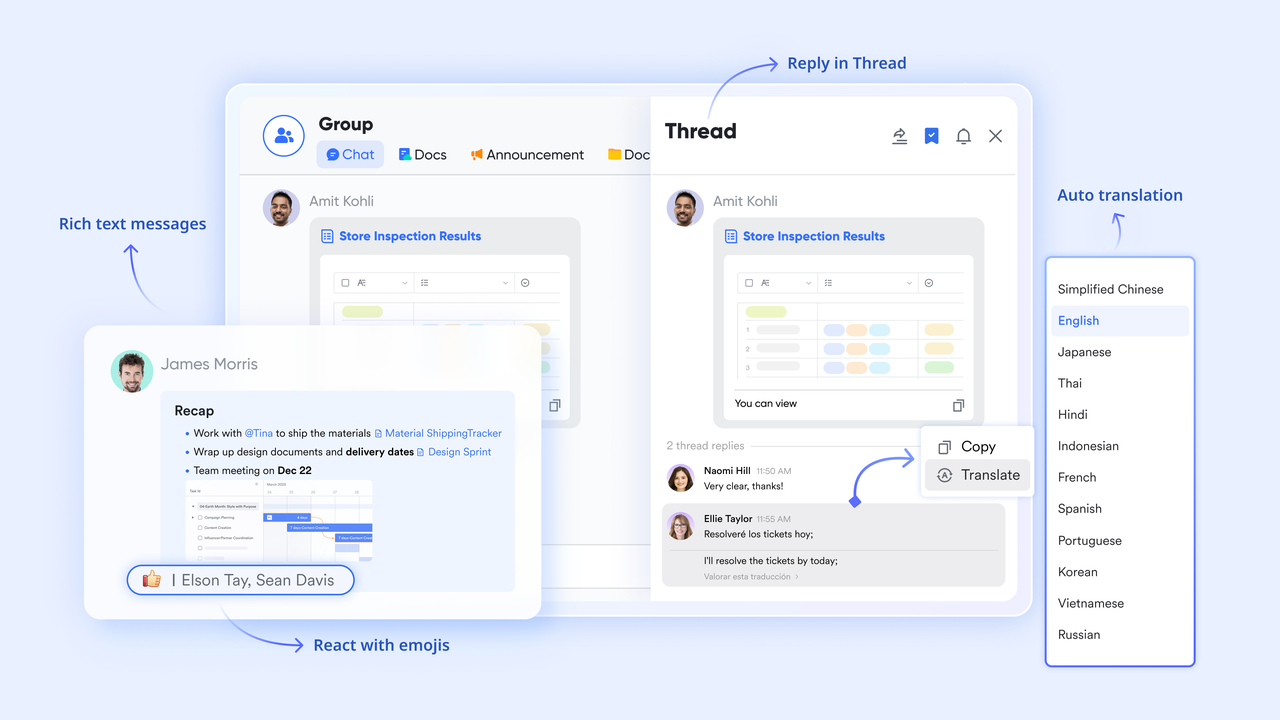
- "Scheduled Messages" allow operations leaders to compose and time communications so they arrive at the most useful moment for each team member rather than requiring everyone to be available simultaneously for a briefing.
- "Read/Unread Status" confirms that time-sensitive operational communications have been received without requiring a meeting to verify that the message landed.
- Group folder organization with independent notification rules ensures that important updates reach their intended audience with appropriate urgency without the operations leader having to call a meeting every time something significant changes.
Bonus: Why operations teams default to meetings despite knowing better
Operations teams that recognize their meeting load is too high rarely solve the problem by eliminating meetings. They instead try to make meetings shorter or less frequent, which reduces the symptom without addressing the structural cause. Platforms like Asana and ClickUp reduce the need for status meetings. Slack reduces the need for briefing meetings. But neither addresses the full range of meetings that operations teams hold, because the information those meetings are delivering still has no other reliable channel to reach its intended audience.Teams evaluating Google Workspace pricing often discover that collaboration software is only one layer of their operational stack. They frequently add separate tools for project management, approval tracking, and reporting, creating a fragmented system with different access controls, notification systems, and information silos. Meetings often persist because they remain the most reliable way to ensure information moves across those tool boundaries and reaches every stakeholder. Lark reduces those boundaries by keeping workflows in one environment, helping teams replace unnecessary meetings with better visibility.
Conclusion
High-performing operations teams do not have fewer meetings because they are more disciplined about saying no to calendar invitations. They have fewer meetings because the information that most teams address in meetings is already visible in their workspace before anyone calls a meeting to share it. A connected set of productivity tools that makes operational data, approval status, request intake, financial visibility, and team communications self-reporting is how operations teams reclaim the time that most organizations spend describing what has already happened rather than deciding what to do next.