Writing a great blog post is not about luck or talent alone. It is a repeatable skill that blends clear thinking, strong research engaging, writing and smart presentation. The best blog posts inform, inspire, or solve a problem while keeping the reader interested from the first sentence to the last. Whether you are writing for a personal blog, a business website or a large publication the fundamentals are the same.
This guide walks through eight essential tips for writing amazing blog posts that perform well with readers and search engines alike. Each tip focuses on a specific part of the process from planning and research to visuals and editing so you can build posts that consistently stand out.
1. Tip One Start With a Clear Purpose and Reader in Mind
Every great blog post starts with clarity. Before you write a single word you should know exactly who the post is for and what you want them to walk away with. A post without a clear purpose often feels scattered and fails to hold attention.
Ask yourself a few simple questions before you begin. Who is the reader? What problem are they trying to solve? What level of knowledge do they already have? What action do you want them to take after reading? The more specific you are the easier it becomes to write with confidence and direction.
When you write for everyone you write for no one. A focused audience leads to sharper examples, better explanations and a tone that feels personal rather than generic.
2. Tip Two Research Deeply Before You Write
Strong research separates average blog posts from exceptional ones a principle echoed in content writing tips that help writers deepen insight and clarity. Readers can tell when an article is thin or recycled from other content they have already seen. Taking time to research properly allows you to add depth, accuracy and original insight.
Good research includes reading top ranking articles on the topic, studying credible sources such as academic papers, industry reports or expert interviews and noting recurring questions people ask in comments or forums. Look for gaps in existing content and aim to fill them.
Research is not just about facts. It is also about understanding how the topic is discussed, what language readers use and which angles feel overdone. This helps you position your post as both useful and fresh.
3. Tip Three Craft a Compelling Introduction That Earns Attention
Your introduction has one job which is to make the reader want to keep reading. Most people decide whether to continue within the first few seconds so this section matters more than almost any other part of the post.
A strong introduction often includes a relatable problem, a surprising insight, a bold statement or a clear promise of value. Avoid long background explanations or vague openings. Get to the point quickly and show the reader why the post is worth their time.
Clarity beats cleverness here. Readers should immediately understand what the post is about and how it will help them.
4. Tip Four Structure the Post for Easy Reading
Amazing blog posts are easy to scan and easy to follow. Online readers rarely read every word in order. They skim headings, jump between sections and look for key takeaways.
Use clear section headings, logical flow and short focused paragraphs. Each section should build on the last and move the reader closer to the promised outcome. Transitions matter. Make it obvious how one idea connects to the next.
A well structured post feels effortless to read even when it covers complex ideas. The goal is to reduce friction so readers stay engaged all the way through.
5. Tip Five Write Like a Human Not a Textbook
The most engaging blog posts sound natural and conversational while still being professional and informative. Writing like a human builds trust and keeps readers interested.
Use simple language whenever possible. Explain concepts clearly without unnecessary jargon. Vary sentence length to create rhythm and flow. Address the reader directly when it feels appropriate.
Personality matters. Do not be afraid to let your voice show through examples, opinions or small observations. Readers remember how a post made them feel as much as what it taught them.
6. Tip Six Use Images to Enhance Understanding and Engagement
Images make blog posts more appealing and easier to understand. They break up large blocks of text, illustrate concepts and help keep readers engaged.
Effective visuals include photos, diagrams, charts, screenshots and illustrations that support the content rather than distract from it. Each image should have a clear purpose whether it is explaining a process similar to how AI paraphrase tools can help refine and polish your blog text
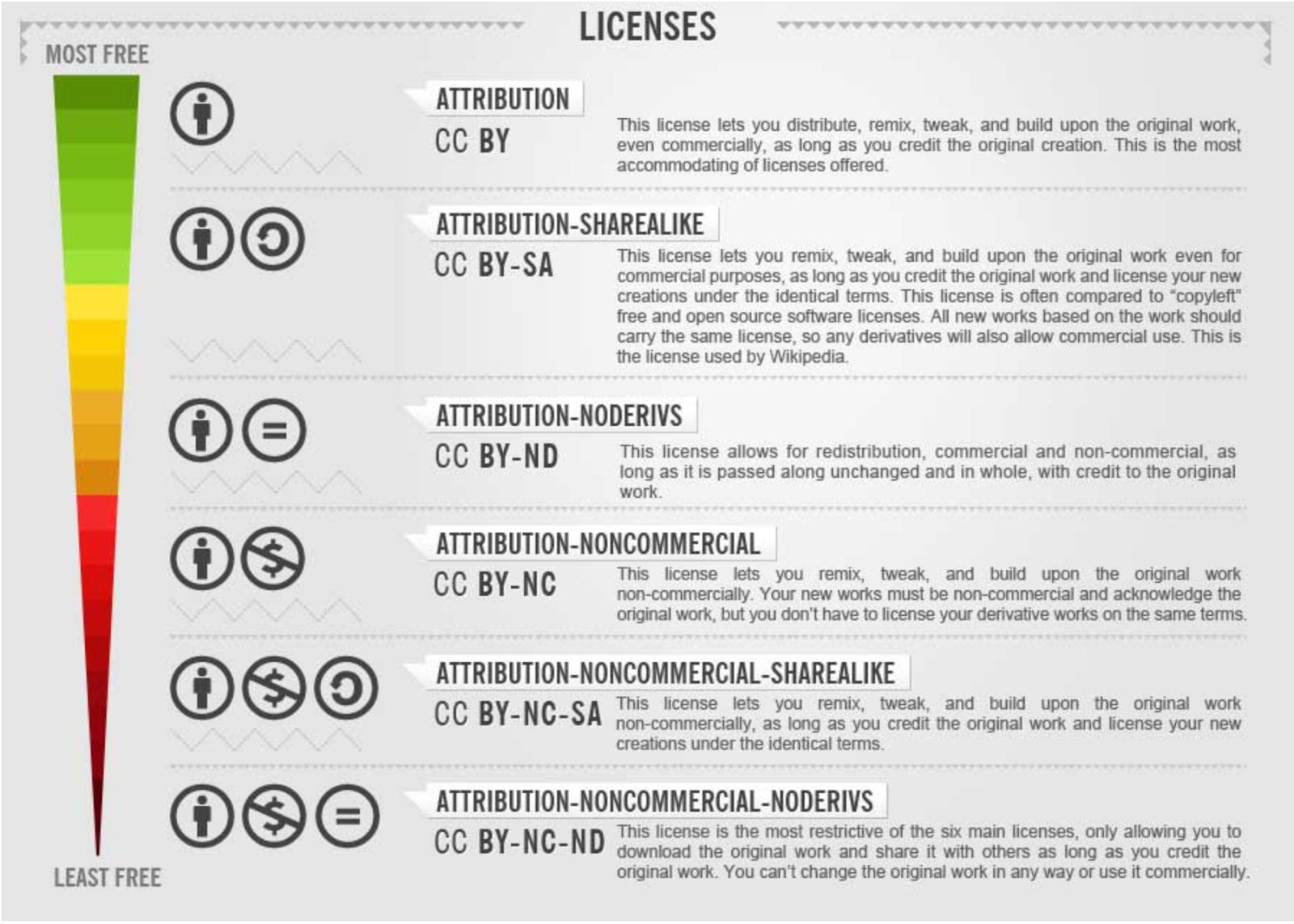
When sourcing images it is important to use visuals that are properly licensed and high quality. A few reliable places to find images include Unsplash for lifestyle and creative photography, Pexels for clean modern brandable visuals, Vecteezy for high-quality sports photos, and Pixabay standard stock photos. These platforms offer visuals that can elevate your content without legal concerns when used correctly.
Always optimize images for web performance by using appropriate file sizes and descriptive alt text. This improves page speed accessibility and search visibility.
For more information in licensing, see the infographic below:
7. Tip Seven Edit Ruthlessly for Clarity and Quality
Great writing is often the result of great editing a competency closely aligned with academic writing skills that enhance clarity and thought organization. Your first draft is about getting ideas down. Editing is where the post becomes polished and professional.
Read the post aloud to catch awkward phrasing or overly long sentences. Remove anything that does not serve the main purpose of the article. Tighten language, clarify confusing sections and check facts carefully.
Look for repetition, filler words and vague statements. Strong blog posts respect the reader’s time and deliver value efficiently. Editing also includes proofreading for spelling and grammar errors which can undermine credibility even in otherwise excellent content.
8. Tip Eight Optimize Thoughtfully Without Sacrificing Readability
Search optimization matters but it should never come at the expense of the reader. The best performing blog posts balance helpful content with smart optimization.
Use keywords naturally where they make sense especially in headings and early sections. Write descriptive titles and meta descriptions that accurately reflect the content. Link to relevant internal and external resources to add context and credibility.
Above all focus on answering the reader’s question better than anyone else. Search engines increasingly reward content that demonstrates expertise, clarity and genuine usefulness.
Build a Repeatable Writing Process
Writing amazing blog posts is not about chasing perfection. It is about developing a process you can repeat and refine over time. Clear purpose strong research engaging writing thoughtful visuals and careful editing form the foundation of content that performs well and earns trust.
As you write more, pay attention to what resonates with readers. Review comments, engagement and feedback. Every post is an opportunity to learn and improve.
When you focus on serving the reader first and treat writing as a craft rather than a chore your blog posts will not only improve but stand out in a crowded digital landscape.