
Fixed-Term, Contract & Platform Workers: Interview-Ready HR Compliance Framework
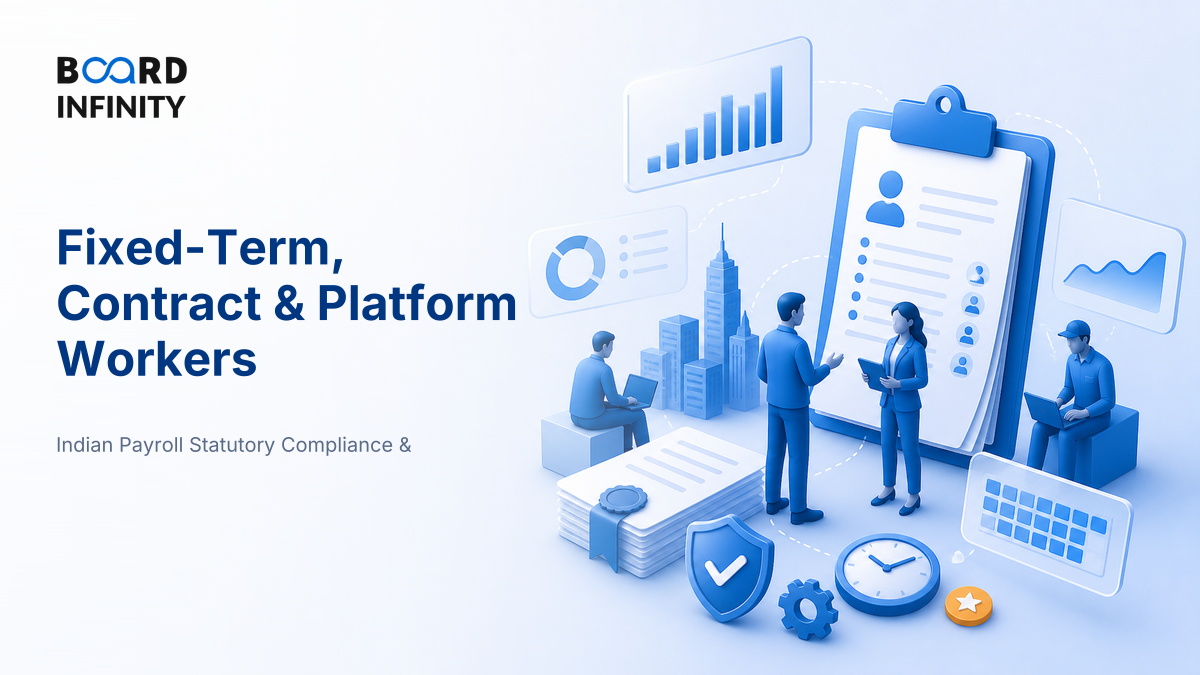
A factory floor can look identical on two Mondays - the same machines, same shifts, same supervisors - but one Monday the worker is a fixed-term employee, another Monday she is contract labour, and a third person delivering the output through an app is a platform worker. The work may look similar; the legal relationship is completely different.
- Fixed-term employment is direct employment for a specified period; treat the worker like a comparable permanent employee on wages, hours and benefits.
- Contract labour is engaged through a contractor; the principal employer must still monitor wages, licences, welfare and statutory compliance.
- Platform workers use digital platforms to provide services outside a traditional employer-employee relationship; social security regulation is evolving in India.
- The core interview skill is classification: who pays, who controls, who supervises, who bears business risk and who owns compliance?
- The biggest HR risk is misclassification - calling someone a contractor or partner while controlling them like an employee.
- Use fixed-term roles for time-bound internal work, contract labour for outsourced non-core execution, and platform models for digitally mediated independent service supply.
- Always add an India caveat: labour-code implementation, state rules and sector-specific notifications must be checked before final advice.
Big Picture: Same Work, Different Legal Relationships
Do not start with the job title. Start with the relationship architecture: direct employment, outsourced labour supply or digitally mediated service work. Once that is clear, the compliance map becomes much easier.
Core Explanation: The Three Worker Models
Fixed-term employment means a person is employed directly by the organisation for a fixed period. The employee is not permanent, but the relationship is still employment. That means HR cannot treat fixed-term workers as second-class employees.
Contract labour means the worker is engaged through an intermediary contractor to work in or in connection with an establishment. The principal employer is not the direct payroll employer, but cannot wash its hands of compliance.
Platform work means a worker provides services through a digital platform - for example beauty services, home repairs, food delivery, rides or logistics. The relationship often sits outside traditional employment, but governments are increasingly asking platforms to provide social security, grievance systems and transparency.
The Classification Test HR Managers Actually Use
In interviews, do not merely quote statutes. Show that you can diagnose the engagement. A practical HR classification test asks five questions:
Compliance Dashboard: What HR Should Track
Non-permanent workforce governance is not a one-time contract exercise. HR should run it like a compliance dashboard with measurable controls.
India’s four Labour Codes have been enacted, but full operational implementation depends on central and state rules. For real decisions, check the currently applicable central law, state amendments, thresholds and notifications.
Definitions You Can Say in One Breath
- Fixed-term employment: A worker engaged on a written contract for a fixed period, with parity on hours, wages, allowances and benefits.
- Contract Labour (CLRA Act, 1970): A workman is contract labour when hired through a contractor for work of an establishment.
- Platform Worker (Code on Social Security, 2020): A platform worker is a person engaged in or undertaking platform work.
- Gig Worker (Code on Social Security, 2020): A gig worker works outside a traditional employer-employee relationship.
The interviewer will not expect you to recite every section. They will expect you to know the difference between employment status, contracting structure and social-security obligation.
Case Study: Urban Company and the Platform-Worker Governance Question
Urban Company shows how platform businesses must balance flexibility, service quality and worker welfare when the workforce is not a traditional employee base.
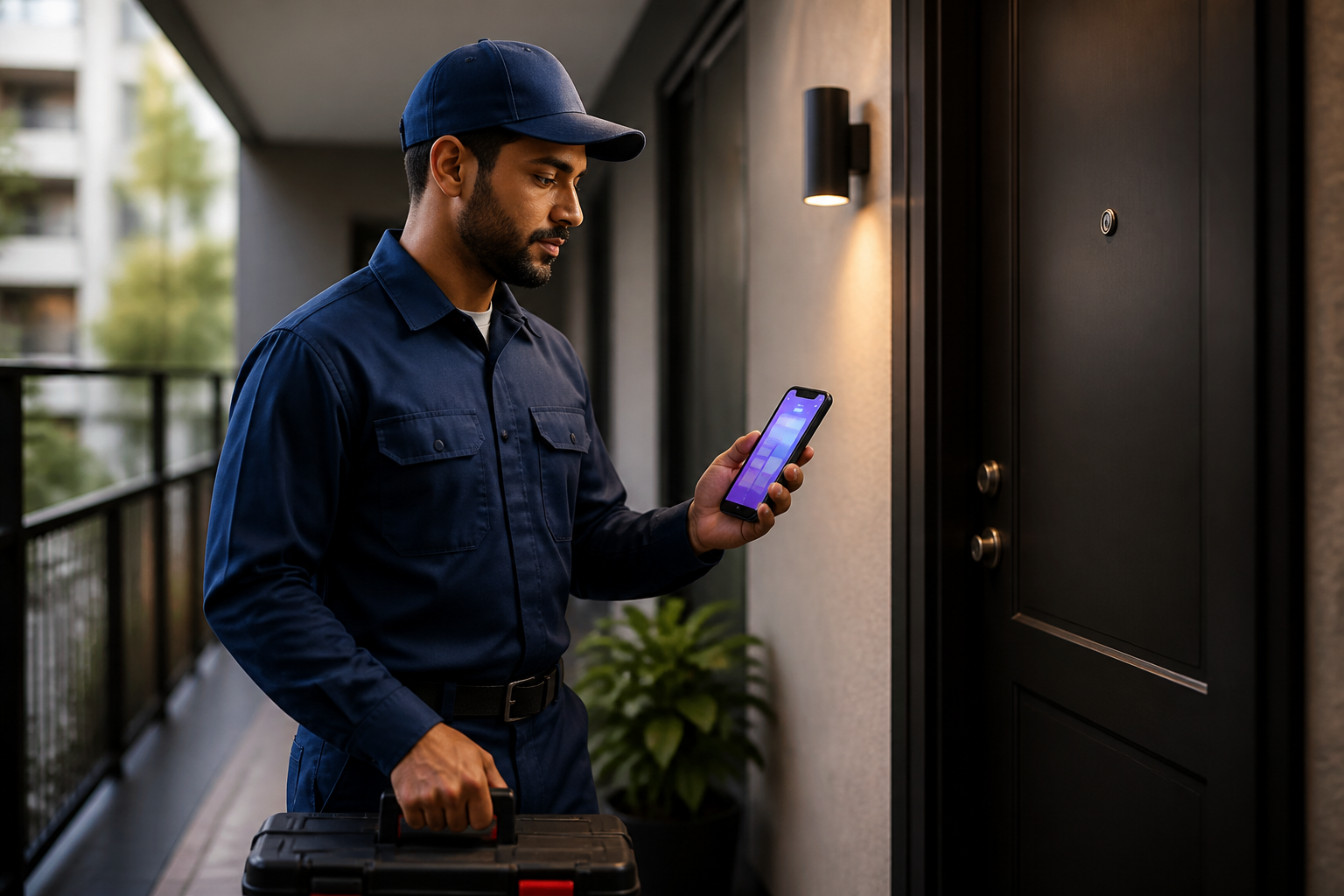
Situation: Urban Company built a marketplace for home services such as beauty, appliance repair and cleaning. Its model depends on trained service partners delivering reliable customer experience while using the platform for discovery, booking, pricing cues and quality control.
The tension: Service partners value flexible earning opportunities, but platform rules around ratings, incentives, commissions, customer allocation and penalties can create employment-like dependency. Like other gig and platform firms in India, Urban Company has faced public scrutiny and worker concerns around earnings, working conditions and fairness of platform policies.
The move: The company has used a mix of partner onboarding, training, service-quality standards, insurance or welfare-linked support, grievance handling and policy communication to manage the platform ecosystem. The primary driver is trust at scale - customers must trust service quality, while partners must trust that platform rules are fair. Supporting drivers include training, app-based matching, category standards, customer ratings and partner-support systems.
The lesson: Platform-worker governance is not solved by saying “they are not employees.” The real HR challenge is to design a model that preserves flexibility while reducing welfare, fairness and algorithmic-control risks.
How AI Changes Fixed-Term Employment, Contract Labour & Platform Workers
1. AI improves worker classification audits. HR teams can use AI to scan contracts, job descriptions, attendance rules and reporting lines to flag misclassification risk - for example, a contractor who has company email, fixed shifts, manager approval for leave and employee-style appraisal.
2. AI makes platform control more visible. Algorithms already influence task allocation, pricing, incentives, deactivation risk and ratings. In 2026, the HR and legal question is not only “Is there an app?” but “How much does the algorithm control the worker’s economic life?”
3. AI speeds compliance monitoring. AI tools can reconcile contractor invoices, wage registers, PF or ESI challans, attendance logs and onboarding documents to detect missing records or delayed filings. The caveat is important: AI can flag risk, but HR must verify legal interpretation.
Use NotebookLM: upload a company annual report, its careers or partner-policy pages, and current notes on labour classification. Ask it to generate “10 interview questions on the company’s non-permanent workforce risks, with evidence from the uploaded sources.”
Interview Relevance
“A company wants to hire 300 people for a six-month demand spike. Should HR use fixed-term employment, contract labour or platform workers? How would you decide?”
A strong answer does not say one model is always best. It says, “Given the work is time-bound but directly supervised, I would prefer fixed-term employment and build parity plus exit controls.”
Common Mistake
The mistake: Treating fixed-term employees, contract labour and platform workers as interchangeable because all are “not permanent.” This costs candidates because it ignores the real legal test - control, payroll, supervision and statutory obligation. Fix: classify the relationship first, then attach the correct compliance duties.
What to Revise Next
Now move from worker classification to the operating layer of HR compliance. Revise Shops and Establishments, Professional Tax & State-Level Rules to understand how location changes obligations, then study Building and Running an HR Compliance Calendar to convert legal duties into monthly execution.