
Product Analytics: Events, Engagement & Feature Adoption
A user opens a payments app at a kirana counter, sees a card nudging them to enable UPI Lite, taps once, hesitates at setup, and returns to normal UPI. To the product manager, this is not just a failed click - it is a trail of events showing exactly where adoption broke.
- Product analytics converts user actions into measurable events, metrics and product decisions.
- An event is a timestamped record of something a user or system did, such as `signup_started`, `kyc_completed` or `upi_lite_enabled`.
- Engagement measures whether users keep interacting with the product in the intended rhythm - daily, weekly, monthly or transaction-led.
- Feature adoption is not “people saw the feature”; it is eligible users activating and repeatedly using it.
- The cleanest adoption view is a funnel: eligible users - exposed users - users who start - users who activate - repeat users.
- Good product analytics links behaviour to business impact: retention, conversion, revenue, cost reduction or risk control.
- The interview-safe answer is: define the goal, design events, build funnel metrics, segment users, diagnose drop-offs, recommend experiments.
Big Picture: Product Analytics Is the Product Team's Feedback System
Product analytics is the system that turns raw user behaviour into decisions. A product team does not improve a feature by staring at total downloads; it observes the full loop from event tracking to metric design to diagnosis to experimentation.
Core Explanation: Events, Engagement and Feature Adoption
The core idea is simple: events are the raw material, engagement metrics are the health checks, and feature adoption is the proof that users found value.
1. Events: The Smallest Unit of Product Behaviour
An event records a meaningful user or system action. Good event names are verbs in past tense or action phrases: `signup_completed`, `search_performed`, `coupon_applied`, `payment_failed`.
Each event should carry properties - extra context that explains the action. For example, `payment_failed` should not just say “failure happened”; it should include payment method, error category, device type, app version and user segment where privacy rules allow.
In an investing app such as Groww, a sensible event path could be `app_opened` - `watchlist_stock_added` - `kyc_started` - `kyc_completed` - `sip_created`. The strategic so what: the company should not optimise only for app opens; it should find which events predict serious investing intent and first successful transaction.
2. Engagement: Is the User Coming Back in the Right Rhythm?
Engagement measures whether users interact with the product at the frequency and depth expected for that category. A fantasy sports app, food delivery app, neobank and tax-filing app should not be judged by the same daily activity benchmark.
For an MBA interview, always ask: what is the natural usage rhythm? A monthly mutual fund SIP product may be healthy with lower daily usage. A chat product or habit-learning app needs frequent repeat behaviour.
3. Feature Adoption: Did Users Actually Start Using the New Capability?
Feature adoption tracks whether eligible users discover, activate and repeatedly use a feature. This is different from feature awareness, which only measures whether users saw or clicked the feature.
4. Key Metrics to Track
Benchmarks vary by category, geography and acquisition channel, so treat the ranges below as interview-safe directional guides, not universal rules. A good answer says both the formula and what “good” means for that product's usage rhythm.
5. Worked Example: Reading a Feature Adoption Funnel
Suppose a payments app launches a new small-value payment feature to 10,000 eligible users in one week.
The headline adoption rate is 360 / 10,000 = 3.6 percent of eligible users. But the sharper diagnosis is this: exposure is low at 40 percent, and only 42 percent of activated users repeat within 7 days. The product team should test better placement and then study whether users understand when the feature is useful.
6. Engagement vs Adoption: Do Not Confuse the Two
A user may be highly engaged with the app but never adopt a new feature. Another user may try a feature once and never return. Strong product analytics separates overall product health from specific feature success.
Definitions You Can Say in One Breath
- Product analytics: Measuring user behaviour inside a product to improve experience, adoption, retention and business outcomes.
- Event: A timestamped record of a user action or system occurrence with contextual properties.
- Event property: A descriptive attribute attached to an event, such as device, plan, source, amount or error type.
- Engagement: The frequency, depth and quality of user interaction with a product over time.
- Feature adoption: The share of eligible users who activate and meaningfully use a specific product feature.
- Activation: The first user action that indicates they have experienced the product's intended value.
Case Study: PhonePe and UPI Lite Feature Adoption
PhonePe's UPI Lite journey shows why feature adoption must be measured from eligibility to repeat low-value payments, not merely from feature visibility.
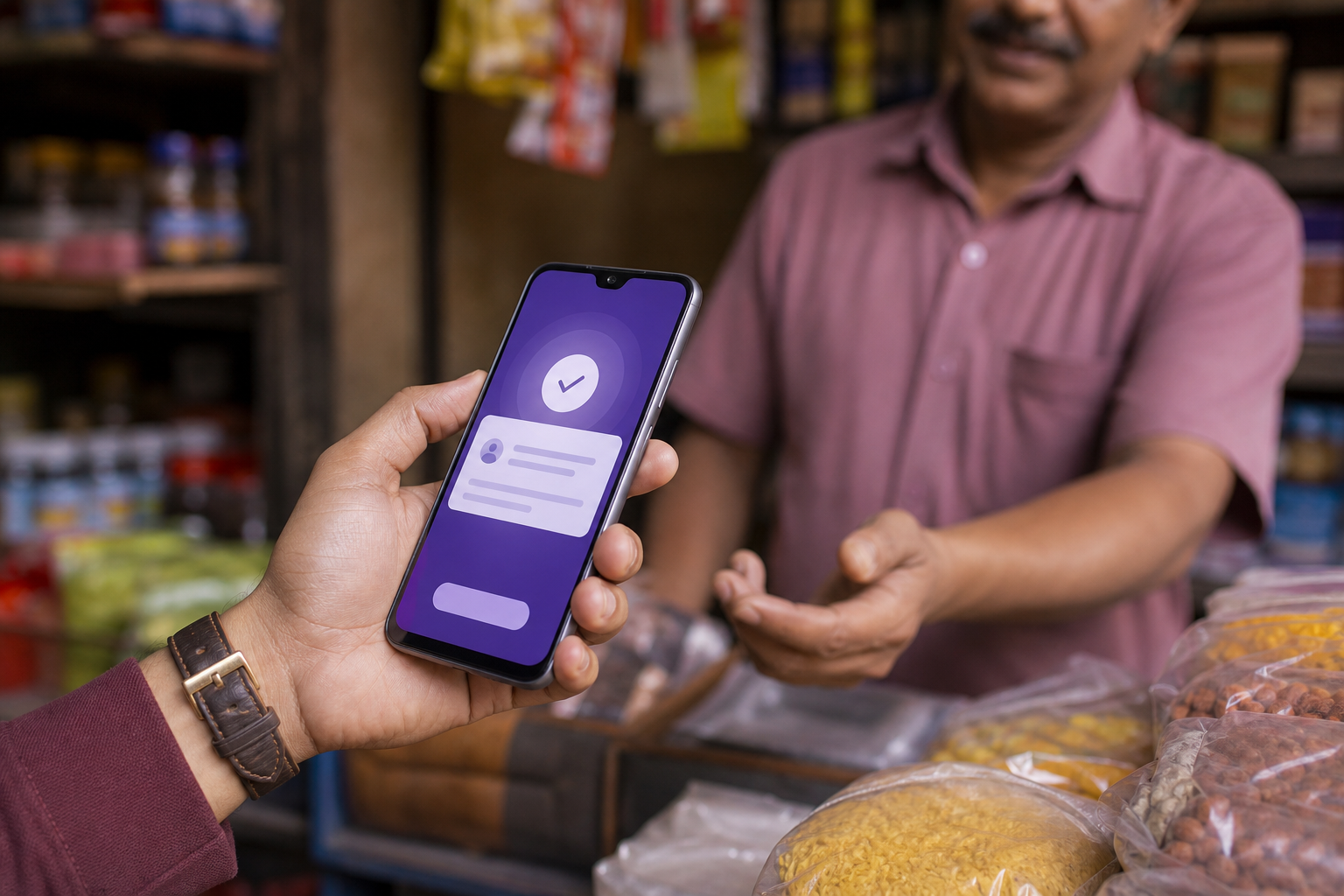
Situation: India's UPI ecosystem made digital payments mainstream, but small everyday payments can still face friction when users need to authenticate repeatedly or when transaction speed matters at a store counter. UPI Lite, enabled through the UPI ecosystem, was designed for small-value payments with lower friction.
The strategic move: A payments app such as PhonePe has to make this feature discoverable, explain when it is useful, reduce setup friction and create repeat usage. From a product analytics lens, the important events are not only `upi_lite_banner_viewed`; they include `upi_lite_setup_started`, `upi_lite_enabled`, `first_lite_payment_successful` and `lite_payment_repeated`.
Outcome or lesson: The right success metric is not “how many users tapped the UPI Lite card.” The product team should judge whether the feature creates a repeat payment habit in relevant small-value contexts. The primary driver is reduced friction at checkout; supporting drivers are trusted payment rails, contextual prompts, clear explanation and successful transaction reliability.
How AI Changes Product Analytics in 2026
AI does not replace product thinking; it makes weak instrumentation more visible and good instrumentation more powerful.
Practical student workflow: Use ChatGPT or Claude to draft a feature-adoption event taxonomy for a real app flow. Then use Perplexity to verify the public product context, and ask NotebookLM to turn your notes into likely interview questions such as “Which events would you track for UPI Lite adoption?”
Interview Relevance
“Suppose a fintech app launches a new bill-payment reminder feature. How would you measure whether the feature is successful?”
Use this sentence in interviews: “I would not call it adopted until an eligible user activates the feature and repeats the value-creating action within a defined time window.”
Common Mistake
The biggest mistake is treating clicks or impressions as adoption. It costs candidates because it shows they cannot distinguish curiosity from value. The fix: always split the funnel into exposure, activation, repeat usage and business impact.
What to Revise Next
Once you can read events and adoption funnels, move to what happens after first use: whether users return and whether product behaviour creates financial value.