
6 Ways to Reduce Time-to-Hire for Remote Devs in 2026
Remote hiring moves fast, or it should. The average time-to-hire for software developers sits at 45 days, but top candidates are off the market in under 10.
Every extra week in your hiring process costs you talent. The best developers have options, and slow pipelines push them toward competitors who move faster.
The good news is, there are clear, repeatable ways to cut that timeline without cutting corners.
This article breaks down 6 practical ways HR teams can reduce time-to-hire for remote developers in 2026, from smarter compliance tools to better screening frameworks.
1. Use an Employer of Record to Speed Up Global Onboarding
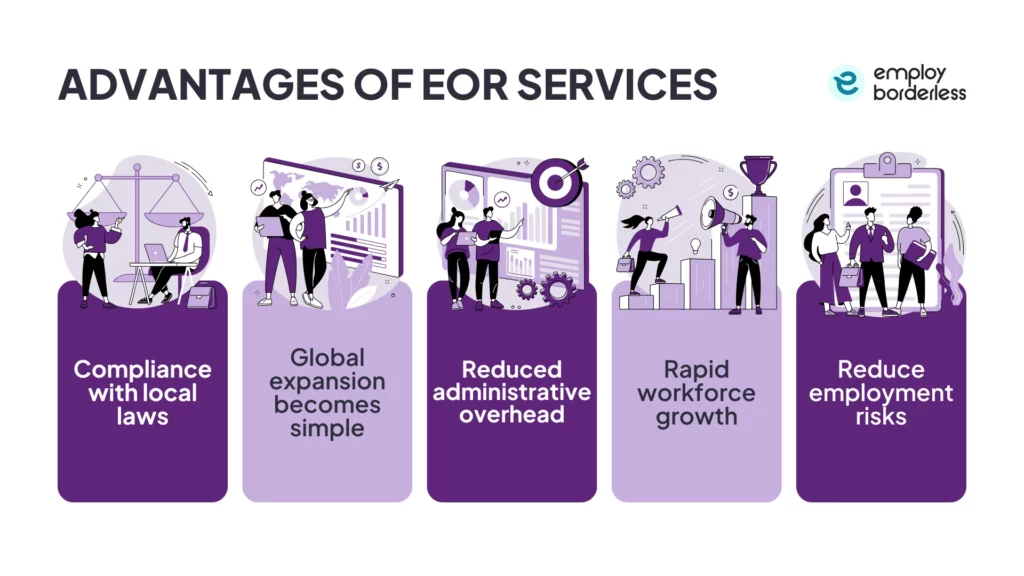
Hiring a remote developer in another country means navigating local labor laws, contracts, tax registration, and compliance, before the person even starts. That process alone can add weeks to your timeline.
An Employer of Record (EOR) handles the legal and administrative side of hiring internationally on your behalf. You find the candidate, the EOR employs them locally, and onboarding can happen in days rather than months. One such provider is Remote People, which covers 150+ countries with compliant contracts, payroll, and onboarding support.
One of the most practical steps before making that hire is calculating the real cost of bringing on a contractor vs. a full-time employee in a specific country. The Contractor to Employee Calculator by Employ Borderless gives HR teams a fast, clear breakdown of costs by location, so you can make the right call faster and avoid delays caused by budget surprises mid-process.
Key benefits of using an EOR for remote dev hiring:
- Eliminates the need to set up a local legal entity
- Handles local employment contracts and compliance automatically
- Cuts onboarding time from weeks to a few business days
- Reduces back-and-forth between legal, finance, and HR teams
- Keeps misclassification risk low when converting contractors to employees
If your hiring pipeline keeps stalling at the compliance and contracts stage, an EOR removes that bottleneck entirely.
2. Are Your Job Descriptions Filtering Out Good Candidates?
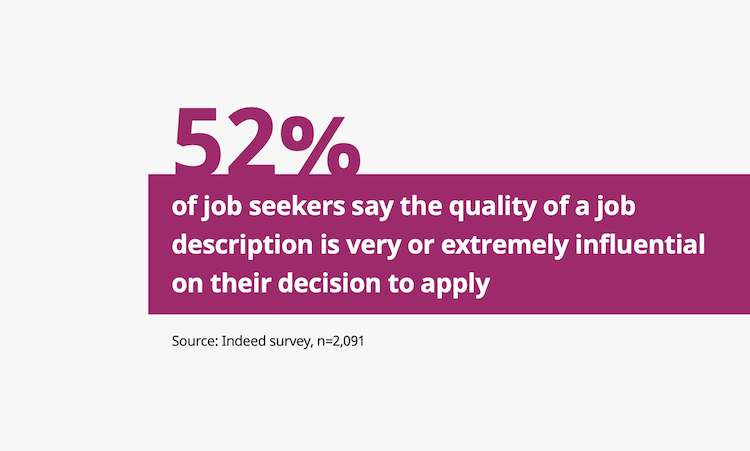
Long, vague, or overly demanding job descriptions are one of the most common reasons developer pipelines fill slowly. A LinkedIn study found that job posts with a clear and focused requirements list get 40% more qualified applicants.
The answer is yes, bad job descriptions are likely slowing you down.
When developers see a list of 15 required skills for a mid-level role, many strong candidates self-select out. Others apply anyway, and you end up reviewing unqualified applications. Both outcomes waste time.
Here is how to fix your job descriptions:
- Separate must-haves from nice-to-haves. Limit hard requirements to 5-6 skills maximum.
- Be specific about the stack. Vague terms like "modern technologies" tell candidates nothing.
- Include salary range. Roles with pay transparency fill faster because unqualified or misaligned candidates drop off early.
- State the time zone expectations clearly. For remote dev roles, overlap hours matter more than location.
- Keep the description under 600 words. Shorter posts get read in full; long ones get skimmed or skipped.
Rewriting your job descriptions takes an afternoon. The payoff is a faster, cleaner pipeline from day one.
3. Pre-Screening Tests Cut Interview Time in Half
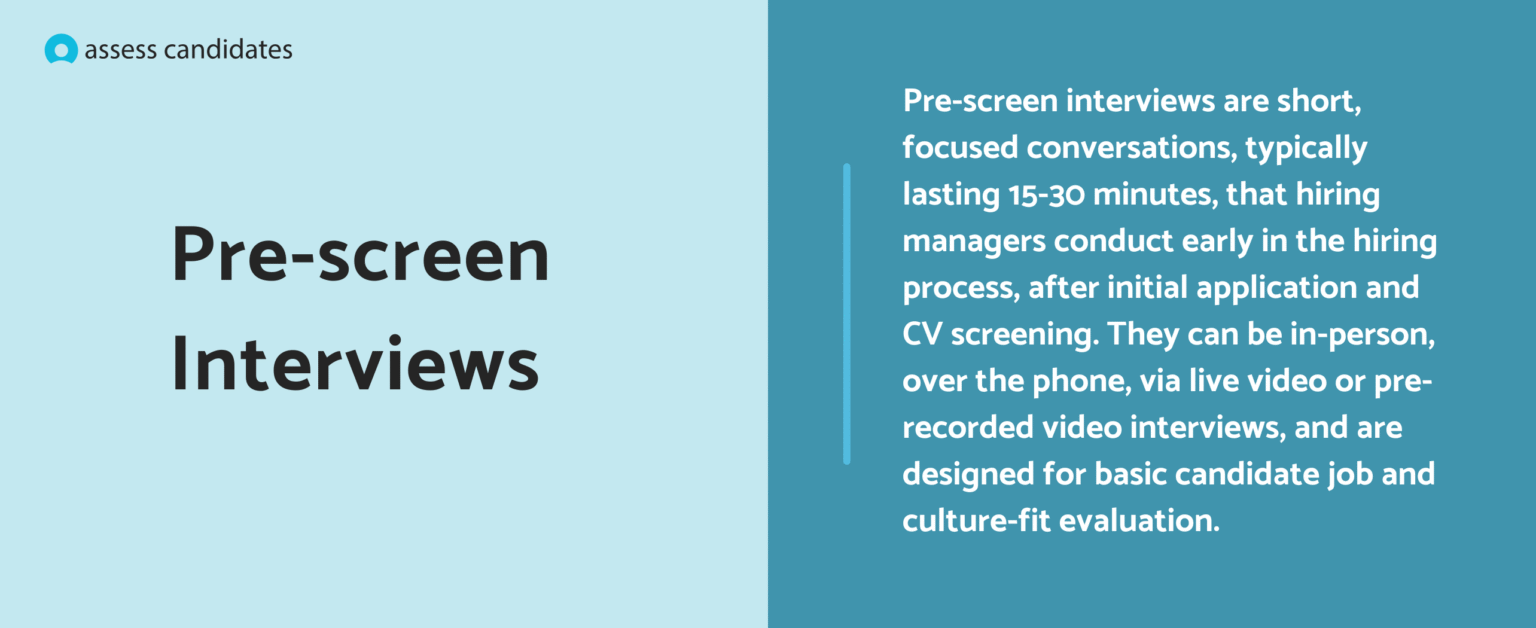
Technical interviews are necessary, but scheduling multiple rounds with developers who turn out to be a poor fit burns time for everyone. Adding a short async pre-screening step before live interviews filters the pipeline early.
Companies that use structured pre-screening assessments reduce their average interview-to-offer time by up to 50%, according to data from HireVue.
The pre-screening stage should be:
- Short. 30-45 minutes maximum. Anything longer and completion rates drop.
- Role-specific. A generic coding test tells you less than a task that mirrors actual work.
- Async. Candidates complete it on their own time, which removes scheduling friction entirely.
- Scored with clear criteria. Define what a pass looks like before you send it out, so review takes minutes, not hours.
Tools like Codility, TestGorilla, or even a simple take-home task via GitHub work well for remote developer roles. The goal is to move only genuinely qualified candidates into the live interview stage. Companies use different approaches for this stage, from coding platforms like Codility and take-home tasks via GitHub to standardized pre-employment assessments from providers such as Wetest and TestGorilla. Hirevue alternatives can also be considered when teams want to evaluate different options for streamlining their pre-screening and interview process. The goal is to move only genuinely qualified candidates into the live interview stage. The goal is to move only genuinely qualified candidates into the live interview stage.
4. Structured Interview Panels Move Decisions Faster
One of the most common causes of a slow final decision is a panel that interviews candidates separately, compares notes informally, and takes days to align. That gap between last interview and offer is where candidates drop out.
Structured interviews, where every candidate is asked the same questions and scored on the same rubric, compress decision time significantly.
Assign a decision deadline before interviews start, typically 24 hours after the final round. Give each interviewer a scoring sheet. Hold a 30-minute debrief call the same day. This structure alone can cut your decision lag by 3-5 days.
5. Does a Slow Approval Chain Kill Your Offers?
Yes, and it happens more than most HR teams realize. A candidate clears every interview round, references check out, and then the offer sits waiting for manager sign-off for four days. By that point, another company has already extended an offer.
A report by SHRM found that 60% of job seekers have dropped out of a hiring process because it took too long, and the offer stage is one of the top drop-off points.
Steps to speed up offer approvals:
- Pre-approve salary bands by role and level before posting the job. When the right candidate appears, compensation decisions are already made.
- Set a 24-hour SLA on offer approvals internally. Make it a formal process, not a courtesy.
- Use digital offer letters. Tools like DocuSign or BambooHR send and return offers in hours, not days.
- Designate a backup approver. If the hiring manager is unavailable, someone else can sign off without a hold-up.
Fixing the approval chain requires a process change, not a technology investment. Define the steps, assign owners, and set deadlines.
6. Build a Warm Talent Pool Before the Role Opens
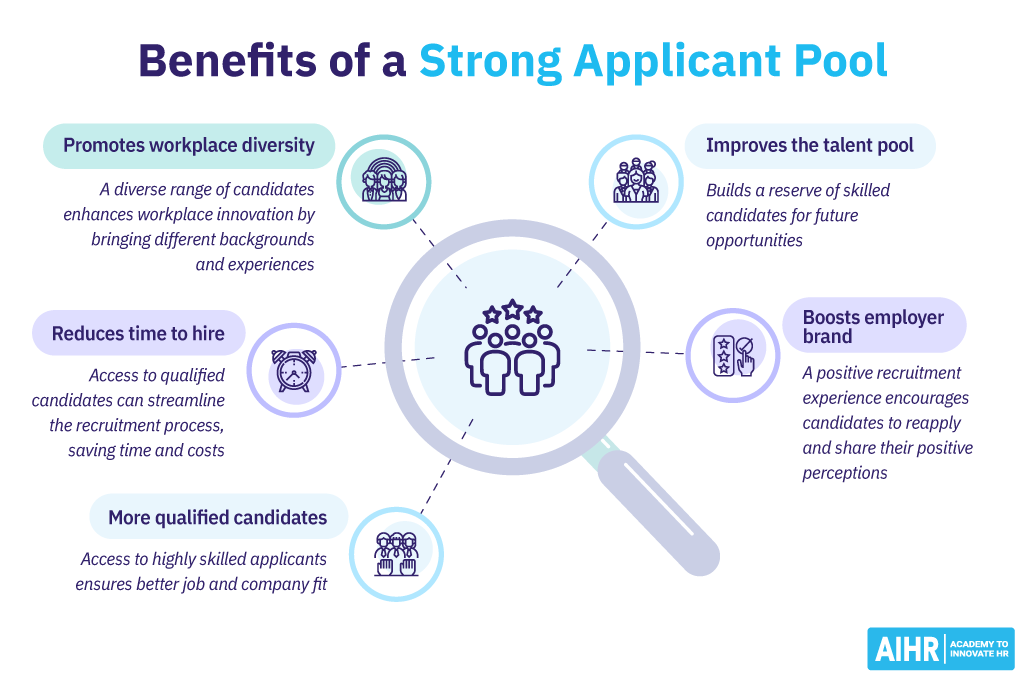
Source: AIHR
The fastest hires come from candidates you already know. A warm talent pool, developers who have applied before, been referred, or expressed interest, shortens the sourcing phase dramatically.
Organizations that maintain active talent pipelines fill roles 2x faster than those that start sourcing from scratch each time, according to research from LinkedIn Talent Solutions.
Steps to build and maintain a developer talent pool:
- Tag and track strong past applicants in your ATS. When a new role opens, search there first.
- Run low-commitment touchpoints. A quarterly newsletter or a message about new roles keeps past candidates warm without heavy effort.
- Build a referral habit on your engineering team. Developers know other developers. A simple referral program with a clear incentive produces strong leads fast.
- Engage candidates on GitHub or LinkedIn before a role opens. A brief, genuine message about their work costs nothing and builds goodwill.
Sourcing from a warm pool cuts days or even weeks from the front end of your hiring process. The investment is small; the payoff compounds over time.
Takeaway
Reducing time-to-hire for remote developers comes down to removing friction at every stage. Start with compliance, use an EOR and a cost calculator to clear the legal bottlenecks early. Fix your job descriptions, add async screening, and structure your interviews so decisions happen fast.
Pre-approve salary bands and set approval deadlines so strong candidates never wait on paperwork. And invest consistently in a warm talent pool so you never start from zero. Small process changes at each stage add up to a pipeline that moves in days, not months.