
Ride-Hailing: Surge Pricing and Marketplace Balance
At 8:30 pm outside a Bengaluru tech park, the same short auto ride can feel impossible at one price and suddenly available at a higher one. That jump is not simply the app “charging more because it can” - it is the platform trying to stop a marketplace from breaking.
- Ride-hailing is a two-sided marketplace: riders want fast, reliable rides; drivers want enough earnings and low idle time.
- Surge pricing temporarily raises fares in a local area when demand exceeds available supply.
- The goal is not only revenue - it is marketplace balance: lower wait time, fewer cancellations, better driver availability and acceptable rider conversion.
- Surge works through two levers: it moderates demand from price-sensitive riders and attracts supply by improving driver earnings.
- A good answer must mention trade-offs: customer trust, fairness, regulation, driver incentives, elasticity and platform margin.
- Track marketplace health using match rate, ETA, driver utilization, acceptance rate, cancellation rate and contribution margin per trip.
- The biggest mistake is calling surge “profit maximization” without explaining the supply-demand control problem.
Big Picture: Surge Is a Control System, Not a Price Trick
In a ride-hailing app, the product is not just a car or auto - it is availability within minutes. When many riders request trips and too few drivers are nearby, the platform must rebalance the market quickly. Surge pricing is one control lever in that system.
Core Explanation: How Marketplace Balance Actually Works
A ride-hailing marketplace has two customers at once: riders and drivers. If riders face long waits, they churn. If drivers face low earnings or too much idle time, they log off. Marketplace balance is the operating point where both sides find the platform worth using.
Surge pricing activates when demand in a small location-time cell exceeds the nearby driver supply. The platform raises the displayed fare or multiplier, usually before the ride is confirmed. That higher price does three things:
- Rations scarce supply: riders with low urgency may wait, walk, use transit or try later.
- Increases driver attractiveness: drivers nearby or completing trips have a stronger reason to accept rides in that zone.
- Signals imbalance: internally, it tells the marketplace engine that this micro-market needs supply, incentives or dispatch changes.
The best mental model is not “high price equals high profit.” It is reliability under scarcity. A platform that refuses to surge may look customer-friendly for a few minutes but can quickly create long ETAs, mass cancellations and driver churn.
The Four Levers Behind Surge Pricing
Surge pricing is visible to the rider, but it sits inside a larger marketplace toolkit. A strong interview answer names all four levers:
For example, an airport after a late-night arrival wave may need supply staging and queue management more than aggressive surge. A stadium after a cricket match may need temporary pickup zones, driver routing and clear price communication. A rainy Friday evening may need all four levers together.
Worked Example: Reading a Surge Situation in 60 Seconds
Use simple numbers to show that you understand the mechanism. This is a hypothetical example, not a company benchmark.
Suppose one micro-zone receives 100 ride requests in 10 minutes, but nearby drivers can complete only 70 pickups in that window.
- Demand-supply ratio = 100 / 70 = 1.43. The zone is short of supply.
- The platform applies a temporary 1.3x fare signal.
- If 15 riders decide to wait and 10 additional driver slots become available, the new ratio is 85 / 80 = 1.06.
- That is much closer to balance, so ETAs and cancellations should improve.
The exact multiplier is platform-specific. The interview point is the logic: surge should move the market toward a healthier demand-supply ratio, not simply raise price forever.
Key Metrics to Track Marketplace Balance
Ride-hailing companies rarely publish universal benchmark ranges because performance varies by city, hour, category and regulation. In an interview, compare metrics by city-hour cohorts: Monday 9 am airport rides should not be compared with Sunday afternoon neighborhood rides.
Do not optimize one metric blindly. Very high driver utilization can sound good, but if every driver is busy, riders face long ETAs. Very low surge can sound fair, but if drivers avoid the area, riders still lose.
Definitions You Can Say in One Breath
- Ride-hailing marketplace: A digital platform that matches riders needing trips with drivers willing to provide rides in real time.
- Surge pricing: A temporary fare increase used when local ride demand exceeds available driver supply.
- Marketplace balance: The state where rider wait time, driver earnings, cancellations and platform margin are simultaneously sustainable.
- Take rate: The platform share of gross booking value after paying drivers, before some operating costs.
- ETA: Estimated time of arrival for driver pickup, a key rider experience metric.
- Price elasticity: The percentage change in demand caused by a percentage change in price.
Case Study: Rapido and the Driver-Side Route to Balance
Rapido shows that marketplace balance can improve not only through rider surge pricing, but also through driver economics, category mix and dense local supply.
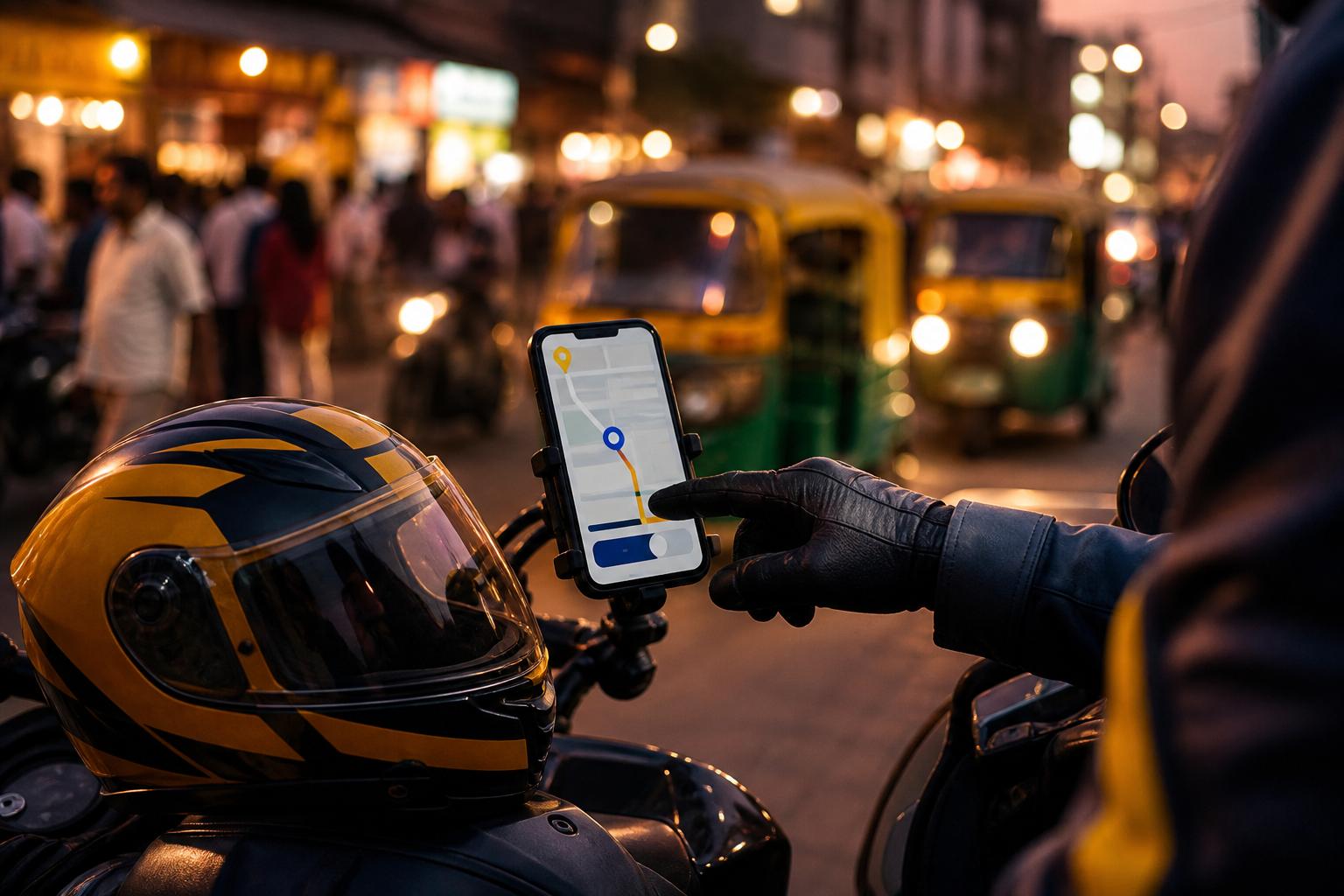
Situation. Indian urban mobility is highly fragmented. Riders use bikes, autos and cabs depending on distance, urgency, weather and price. Drivers compare multiple platforms and care about net earnings after commissions, fuel, waiting time and cancellations. Regulation also differs across vehicle categories and states, especially for bike taxis.
The move. Rapido began with bike taxis and later expanded deeper into autos and cabs. In its cab offering, Rapido has publicly positioned a driver-friendly subscription or zero-commission style model rather than relying only on per-ride commission. The strategic logic is clear: improve driver economics so more drivers find it worthwhile to stay available on the platform.
Why it matters for surge. If supply is thin, the platform is forced to use stronger price signals during peaks. If supply is denser and drivers are economically motivated, the marketplace can absorb demand spikes with less rider pain. Rapido’s primary driver of balance is driver-side economic design, supported by category expansion, local density, simple driver onboarding and demand from short urban trips.
Outcome or lesson. The lesson is not “low commission wins by itself.” The lesson is sharper: in a ride-hailing marketplace, driver participation is a strategic asset. Better driver economics can support supply depth, category availability and peak-hour reliability - which together improve marketplace balance.
How AI Changes Ride-Hailing Surge Pricing and Marketplace Balance
AI makes surge pricing more granular, predictive and operational. It also raises new fairness and transparency questions because pricing decisions can feel personal even when they are based on marketplace conditions.
- Predictive demand forecasting: ML models can forecast demand by small geographies and short time windows using weather, events, traffic, holidays and historical ride patterns. This lets platforms pre-position supply before surge becomes extreme.
- Smarter driver repositioning: AI can recommend where drivers should move next, estimate likely earnings zones and reduce empty cruising. Better repositioning improves supply without always increasing rider prices.
- Personalized incentives and risk controls: Platforms can target driver bonuses, detect fake demand or GPS manipulation, and identify cancellation-prone trip patterns. The caveat: models must be monitored for unfair outcomes across neighborhoods, times and customer groups.
Use Perplexity to gather recent public articles on Ola, Uber, Rapido or Namma Yatri, then ask ChatGPT: “Build a city-hour marketplace balance analysis using demand, supply, pricing, driver economics and trust levers.” Cross-check every factual claim before using it.
Interview Relevance
“A ride-hailing platform is facing customer complaints about high surge pricing on rainy evenings. As a product or business manager, how would you diagnose and solve it?”
Use the phrase “city-hour cohort”. It signals that you understand ride-hailing is hyperlocal: Koramangala at 8 pm in rain is a different marketplace from the airport at 2 pm.
Common Mistake
The mistake: saying “surge pricing increases profits” and stopping there. It costs candidates because it ignores the two-sided marketplace problem: without enough drivers, low prices create bad availability; with excessive surge, riders lose trust. One-line fix: explain surge as a temporary balancing mechanism across price, supply, ETA, cancellations, driver earnings and trust.
What to Revise Next
Now move from mobility marketplaces to attention marketplaces and performance analytics. Revise Streaming & Subscription Analytics in India to understand retention, churn and content economics, then Sports Analytics in Indian Cricket to see how data-driven decisions work in team selection, match strategy and fan engagement.