
Why Every Website Needs a Strong, Well‑Maintained Sitemap Today

Consider for a moment you're a traveler who is arriving in an expansive, ancient city for the first time. It is a maze full of winding alleys, sudden dead endings as well as hidden courtyards. There aren't any street signs or digital maps, and no people in the area to provide directions.
It is clear that there's an impressive cathedral near the middle, and there is a top-notch bistro behind a cellar, however, after 3 hours of walking around then you decide to give up and return to the station. The train station is empty and you leave feeling angry, but more importantly, you'll probably not come back.
In the past, making maps was a tedious, manual task reserved for web developers. But as the internet has become more complicated as we've observed the emergence of increasingly sophisticated automation. Utilizing the AI Sitemap Generator tool, businesses can now design live maps that are able to change according to how the content increases, making sure that the link between the servers and search engine never collapses.
5 Ways a Sitemap Improves Trust, Structure, and Search Visibility
Reliability Through Predictability
The most trustworthy methods around are the ones which are reliable. If a Google "spider" visits your site, it will have the ability to set a "crawl budget" a small amount of energy and time it is prepared to devote to your web pages. If your website has a mess of disconnected pages as well as deep buried folders, the crawler is lost, exhausts itself of fuel, and then quits.
If you offer a clear sitemap, you are taking away the uncertainty. The sitemap is telling the world, "Here is exactly where the important things are." It is a guarantee that the crucial and vital updates are picked up in a matter of minutes.
The "New Product" Example:
You might want to think about a local boutique that decides to create a limited-edition leather purse. The company creates a stunning landing page, upload high-resolution photographs, and create an intriguing narrative.
If there isn't a sitemap in place, that website is in essence an isotope. Google could not locate it for days or months because there aren't many internal links pointing to it as of yet. If someone searches "Handmade Leather Bag [City Name]," the shop isn't listed although the item exists.
If you have a sitemap in place that the bot can see the updated entry right away on its next visit, then indexes it and then is made available to all the entire world. In this context, reliability is the rate at which the reality (the item that is active) corresponds to the searcher's experience (the search result).
Not All Pages Are Created Equal: The Hierarchy of Trust
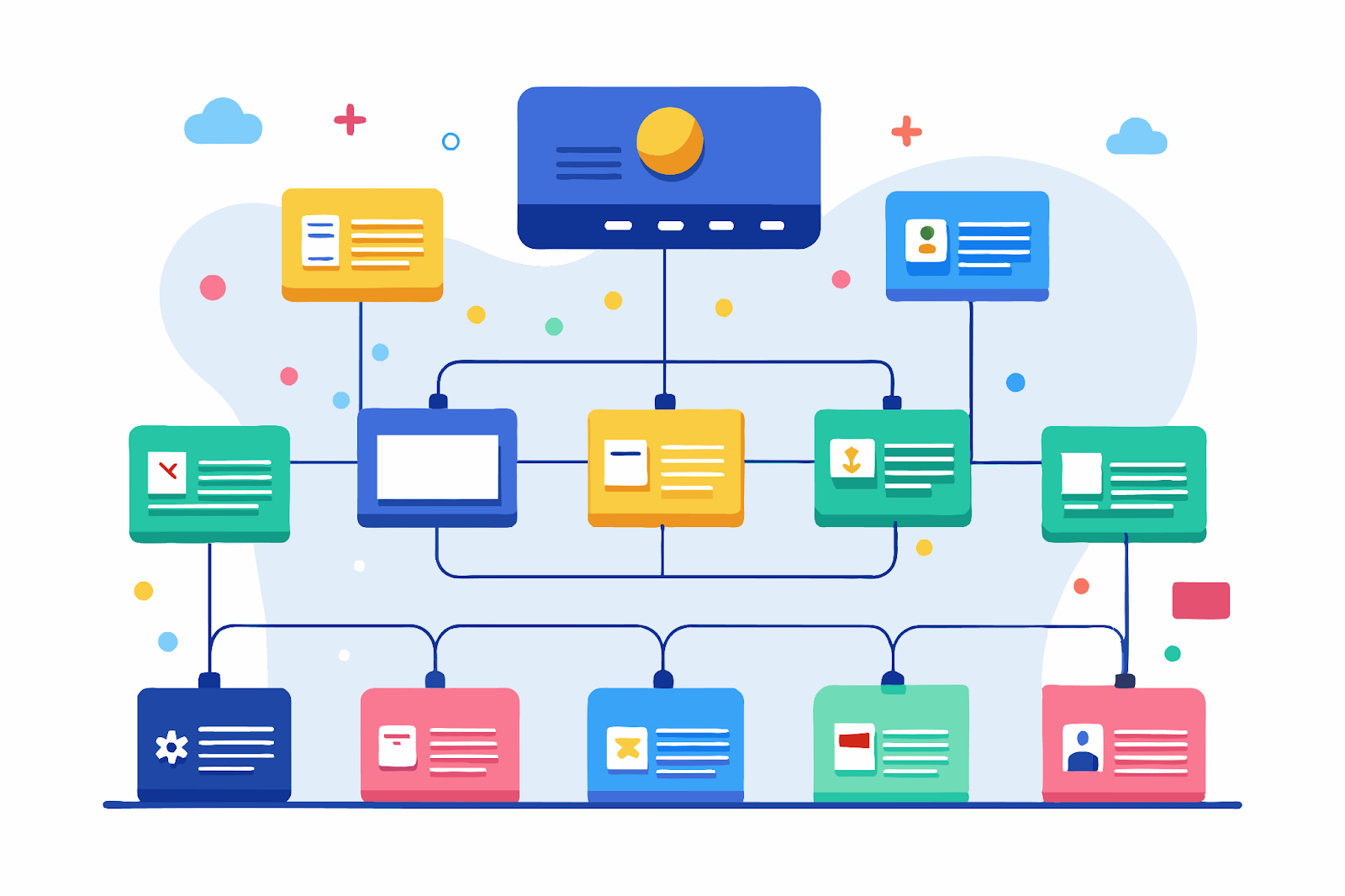
One of the most common misconceptions regarding sitemaps is that they're just a plain listing of hyperlinks. Actually, a great sitemap can be used to establish an organization. Search engines can be told which web pages are the most crucial and when they're updated. This is essential for maintaining your "perceived reliability" of your company's brand.
When a person clicks on a search result and lands on your "Privacy Policy" from 2014 instead of your "Current Services" page for 2024, they may view your company as not trustworthy. The sitemap can prevent this from happening by highlighting the appropriate pages.
The "Seasonal Sale" Example:
An outdoor gear retailer has thousands of pages. For winter months the "Ski Boots" page is the main focus of their operation. When it's summer time, they're "Hiking Tents." Through adjusting the priorities in your sitemaps, the store makes sure that search engines concentrate their efforts on webpages that are most important to the customer.
If a user finds precisely the information they're looking for, they will trust the website. When they land on an out-of-stock winter page in the middle of July, that trust-and the site's reliability-evaporates.
Fixing the "Broken Window" Syndrome
In the field of sociology for urban people The "Broken Windows Theory" suggests that obvious indicators of negligence (like a window that is broken) cause further chaos and lack of trust within the society. Websites also have their own version of broken windows: 404 errors or dead ends "Ghost Pages" (pages that have been created but aren't filled with contents).
Sitemaps serve as regular review. The site owner is forced to examine the structure of their website. If the sitemap has URLs that result in 404 errors, search engines are quick to label your website as unmaintained and insecure.
The "Service Transition" Example:
Imagine a consultancy firm which recently changed the "Marketing Strategy" service to "Growth Growth Architecture." The old website is removed and then created a new page. Yet, links from the past remain on the internet.
If they do not change their sitemaps in order to be updated and direct users to the right redirection, they're leaving "broken windows" all over their digital property.
A well-maintained sitemap will ensure the search engine crawlers are always checking what's known as the "fixed" version of your property, which assures users that they are not directed to a dead-end.
The Human Side: Building Resilience in Times of Change
Reliability doesn't have to be just a technological measurement; it's an assurance you offer to your customers. No matter if you're a solo blogger or part of a large company, your site represents your digital sign-off.
In the event that things change in the world, such as due to a global event or an abrupt shift in trends on the market, it is common to quickly update your site. Perhaps you're altering your times, or offering different ways of shipping, or offering crucial information on public health. Today, "reliability" is synonymous with "freshness." It is important for the entire world to be aware that the information you have received has changed.
This lastmod (last changed) tag that you have in your sitemap is the most effective tool in this regard. The tag informs crawlers "Hey, I've updated this specific page, you need to look at it again." If you don't include this tag, the search engine might keep showing an outdated, "cached" version of your site's page within the results of the search.
The "Change of Address" Example:
A law firm relocates into a new location in the same town. The footer is updated on their site, however due to the size of their website, Google doesn't crawl every page daily. The "Google My Business" listing and search snippets display the previous address.
Customers arrive at the building empty, disappointed and in a state of confusion. It's a sign of a lack of information reliability. If a firm changes their websitemap and displays"lastmod" on their contact page, they will signal "lastmod" date on their contact page, drastically cutting down the confusion while ensuring that the physical and digital web presence are on the same page.
Mobile and Video: The New Frontiers of Discovery
Also, we must consider the fact that trust is now more than the text. People are looking for video and images to resolve their issues. If your instructional video about "How to fix a leaky faucet" hasn't been indexed due to the fact that it was not included on the video sitemap, you are in a position to become a reliable resource for a customer that is in desperate need.
Sitemaps that are future-proof have become increasingly sophisticated. When you include metadata on your videos and images to ensure your website's reliability is assured for all media types. When a user performs an image search in search of an exact spare part that you offer, and your image sitemap can help to locate it and you're now the most trustworthy user in their universe for this moment.
Conclusion
In the conclusion of the day the sitemap can be described as an act of good stewardship. It is a sign that you care about the experiences of your "visitors"--whether they are real human beings or silicon-based robots which help them locate the sitemap.
When you invest time and effort into the sitemap, and using modern instruments like an AI-driven generator to maintain its accuracy, you're going beyond "SEO." It is building a solid foundation of confidence.
Your digital entrance is the way people would expect they will be. And when they enter you will be able to provide exactly the information they expected. In an age filled with digital disruption and broken links this kind of trust is your ultimate competitive advantage.