
What Good Consulting Output Looks Like
A senior client does not remember slide 37. They remember whether the room became clearer after your team spoke - what decision to take, why it is right, and what must happen next.
That is the brutal test of consulting output: it is not “good” because it looks polished; it is good because it makes a high-stakes business decision easier to make.
- Good consulting output is a decision tool - it converts ambiguity into a recommendation, evidence and action plan.
- The best outputs have four layers: clear problem, sharp storyline, evidence-backed insight, implementable next steps.
- A slide title should say the “so what”, not the topic. Weak: “Market Size”. Strong: “Tier-2 demand can support two profitable pilots.”
- Great consulting work is MECE: no major gap, no confusing overlap, and every branch helps answer the main question.
- A good deck can be read in two modes: executive skim for the answer and analyst drill-down for the proof.
- The common trap is making slides before solving the argument. First build the logic, then build the pages.
Big Picture: A Consulting Output Is a Decision Machine
Consulting output usually appears as a deck, memo, model, dashboard or workshop pack. But the format is secondary. The real job is to move the client from “we are unsure” to “we know what to do next.”
The Core Model: From Messy Data to Client-Ready Advice
The best consulting output follows one clean movement: define the question, break it down, analyze what matters, convert findings into insight, and package the answer for action. If one link is weak, the output feels decorative rather than useful.
Think of every consulting deliverable as serving three audiences at once:
- The decision maker wants the answer quickly: “Should we enter, invest, cut, fix or exit?”
- The functional owner wants the practical implications: “What changes for sales, operations, finance or HR?”
- The skeptical expert wants traceability: “Where did this claim come from, and what assumptions drive it?”
That is why good output is not just attractive. It is logically tight, evidence-backed and operationally usable.
The Five Qualities of Good Consulting Output
If you are still shaky on step one, revise defining the problem before solving it before trying to improve your deck. A beautifully structured answer to the wrong question is still wrong.
The Difference Between Weak, Average and Excellent Output
Most student submissions fail not because the analysis is absent, but because the analysis is not converted into a decision. This matrix is the fastest way to diagnose quality.
What to Include in a Final Consulting Output
A client-ready output is not a dump of all work done. It is a curated argument. For most strategy, operations, growth or profitability cases, the final output should include these sections.
For a market-entry output, this naturally connects to competitive landscape and barriers to entry and then to entry modes such as organic entry, partnership, joint venture or acquisition. For a cost case, the output should be careful not to recommend cuts that damage revenue, service or capability - the deeper skill is recommending cost reduction without killing growth.
How to Judge Whether Your Output Is Actually Good
Use these as self-audit metrics. They are not industry benchmarks; they are practical quality tests for a student deck, memo or case recommendation.
Notice the pattern: good consulting output is measured less by page count and more by decision usefulness.
Definitions You Should Be Able to Say Clearly
- Consulting output: A client-ready deliverable that turns a business problem into evidence-backed decisions and next actions.
- Insight: A finding that changes what the client should believe, decide or do.
- Storyline: The logical sequence of messages that proves the recommendation.
- MECE: A structure that is mutually exclusive and collectively exhaustive - no overlaps, no gaps.
- Executive summary: The shortest complete version of the answer, rationale and required action.
Case Study - Zomato: Investor Communication as Consulting-Quality Output
Zomato’s public shareholder communication shows a consulting-style move: make a complex multi-business story understandable through clear segmentation, metrics and management logic.
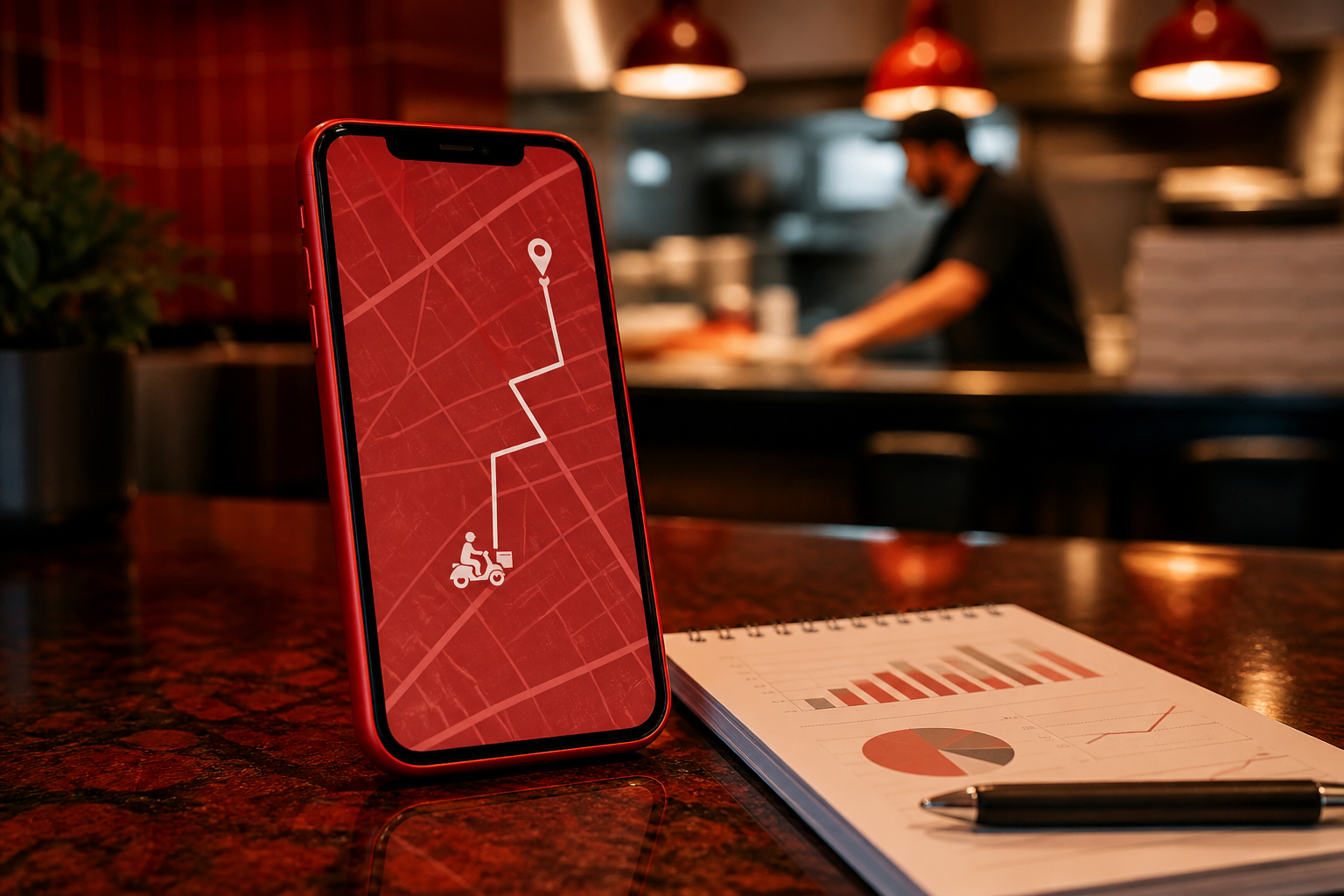
Situation. Zomato is not a single simple business. It spans food delivery, quick commerce through Blinkit, dining-related offerings and other adjacent bets. For investors and analysts, the hard question is not “is food delivery growing?” but “which parts of the portfolio are profitable, which are investment-heavy, and how should management balance growth with discipline?” Zomato’s public shareholder materials are available through its investor relations page.
The move. Instead of presenting only a broad company-level story, Zomato’s communication breaks the business into understandable units, explains the operating levers, discusses trade-offs and separates current performance from future investment logic. That is exactly what a good consulting output does: it does not hide complexity; it organizes complexity.
Outcome or lesson. The primary driver of this communication quality is not design; it is clarity of business segmentation. Supporting drivers include consistent operating metrics, explicit discussion of trade-offs, and a narrative that connects actions to strategic intent. That is the lesson for interviews: a strong output makes the client smarter about the decision, not merely impressed by the deck.
How AI Changes Good Consulting Output
AI changes consulting output in a very specific way: it reduces the time spent producing first drafts, but increases the importance of judgment, synthesis and source discipline.
- First-cut structuring becomes faster. Tools can generate issue trees, slide outlines and alternative storylines quickly. The consultant’s job is to test whether the structure is truly MECE and decision-relevant.
- Evidence scanning becomes broader. AI can summarize annual reports, earnings-call transcripts, policy notes and competitor pages. But every material claim still needs human verification against the original source.
- Outputs become more dynamic. Instead of one static deck, teams increasingly create linked models, dashboards, scenario pages and meeting-specific executive summaries.
Load your case prompt, rough issue tree and final recommendation into NotebookLM or ChatGPT. Ask: “Find gaps, overlaps, unsupported claims and likely client objections.” Then rewrite the storyline yourself. For interview practice, use AI as a mock consulting interviewer, but never outsource the judgment.
Interview Relevance
“Suppose your team has finished a market-entry or profitability case. What would a good final consulting output look like?”
Use one sentence that sounds senior: “A consulting output is good when a client can disagree with the recommendation intelligently because the logic, assumptions and trade-offs are all visible.”
Common Mistake
The biggest mistake is building slides before building the argument. It costs candidates because their output looks busy but has no spine - charts do not ladder up to a decision. The fix: write the one-page storyline first, then create only the slides needed to prove it.