
Consumption, Premiumisation and the Rural-Urban Divide
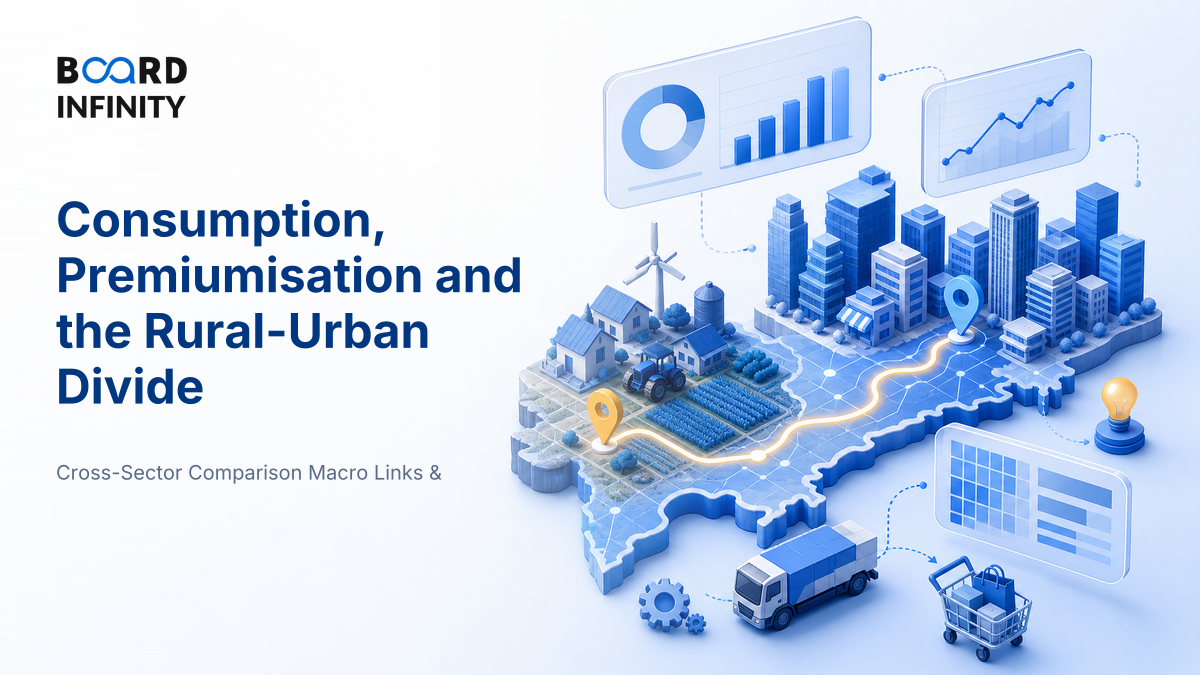
A sales manager in Uttar Pradesh sees two things on the same market visit: ₹10 sachets still moving fast at the kirana, and a young customer asking for a premium grooming product he first saw on Instagram. That tension is the heart of modern Indian consumption - affordability has not disappeared, but aspiration has become impossible to ignore.
- Consumption is what households buy and use; for managers, it signals demand, category health and wallet priorities.
- Premiumisation means consumers trade up to higher-priced offerings because perceived value rises faster than price.
- The rural-urban divide is not just geography; it reflects income volatility, access, channel structure, media exposure and trust.
- India often shows a barbell pattern: value packs and premium products can both grow, while the weak middle gets squeezed.
- Premiumisation works when brands upgrade benefits, experience, identity and availability - not when they merely raise prices.
- Rural markets need reach, trust and affordability architecture; urban markets need sharper segmentation, convenience and experience.
- In interviews, answer with three lenses: consumer income and aspiration, channel access, and category economics.
Big Picture: India Is Climbing a Consumption Ladder, Not Moving in One Straight Line
Think of consumption as a ladder. Households first secure essentials, then buy convenience, then branded trust, then premium experience, and finally identity-led products. Different consumers - and even the same consumer in different categories - stand on different steps of this ladder.
Core Explanation: What Is Really Driving Consumption and Premiumisation?
Consumption is household demand made visible - food, apparel, mobility, education, healthcare, devices, entertainment and services. For a business, it answers a simple question: where is the consumer's wallet moving?
Premiumisation is not luxury. It is the shift from “cheapest acceptable” to “better value for me.” That better value may come from quality, convenience, safety, design, status, service or confidence. A ₹30 beverage, a higher-end smartphone, a branded paint service, a premium hair oil, a better mattress and a managed jewellery buying experience can all be premiumisation stories.
The trap is to assume that premiumisation means everyone is getting rich. It often means consumers are becoming more selective. They may save money in one category and splurge in another.
The Rural-Urban Divide: Five Differences That Matter in Business Decisions
The rural-urban divide is best understood as a set of operating differences, not a stereotype. Rural consumers can be highly aspirational, and urban consumers can be extremely value-conscious. What changes is the constraint set.
If your answer touches rural reach, distribution density or last-mile cost, connect it to the broader aviation and logistics value chain, because consumption demand only becomes revenue when the product can economically reach the consumer.
The 2x2: How to Read Rural-Urban Premiumisation
A useful interview move is to separate where the consumer is from what value tier they buy. This prevents shallow statements like “urban equals premium” and “rural equals mass.”
Urban premium is often driven by experience, speed, design and identity. Think premium coffee, beauty, gadgets, fitness, home improvement and managed services.
Rural premium usually needs stronger proof. Consumers may pay more for trusted brands, durable goods, healthcare, education, mobility, smartphones or gold jewellery - but they want reliability, social validation and service support.
Urban value is not weak demand. It can be extremely sophisticated - price comparison, private labels, app discounts, refurbished devices and subscription sharing are all urban value behaviours.
Rural value depends on entry price, pack size, retailer trust and product availability. Sachets, small packs, low-cost variants and assisted selling remain powerful because they reduce trial risk.
Definitions You Can Say in One Breath
- Consumption: Household purchase and use of goods and services to satisfy needs, wants and aspirations.
- Premiumisation: Consumer trade-up to higher-priced offerings because perceived value rises faster than price.
- Rural-urban divide: Differences in income, access, channels, media exposure and trust between rural and urban consumers.
- Affordability architecture: Pack sizes, price points and financing choices that let consumers enter a category with lower risk.
- Barbell consumption: Simultaneous growth of value and premium tiers while mid-market offerings face pressure.
Metrics: How to Track Consumption and Premiumisation
There is no universal “good” premiumisation number across categories. A strong metric is one that improves versus the company's own category benchmark without damaging volume, repeat purchase or profitability.
Real Example: boAt Shows Value-Premium Hybrid Consumption
boAt built a strong Indian consumer electronics brand by making audio wearables feel stylish and aspirational while keeping them accessible to young, price-aware buyers. The strategic lesson is that premiumisation does not always mean high luxury pricing; it can mean giving mass consumers design, identity and convenience at a believable price point.
The primary driver was accessible aspiration - products that looked fashionable and digital-native without intimidating the buyer. Supporting drivers included marketplace-led distribution, influencer and youth-oriented branding, frequent product launches and compatibility with India's smartphone-led media habits. If your answer discusses digital consumption infrastructure, it naturally connects to telecom and digital infrastructure size, growth and structure.
Case Study: Titan - Premiumisation Without Abandoning the Mass Consumer
Titan shows how an Indian company can serve everyday consumption and premium aspiration through a portfolio spanning jewellery, watches, eyewear and digital-first retail.
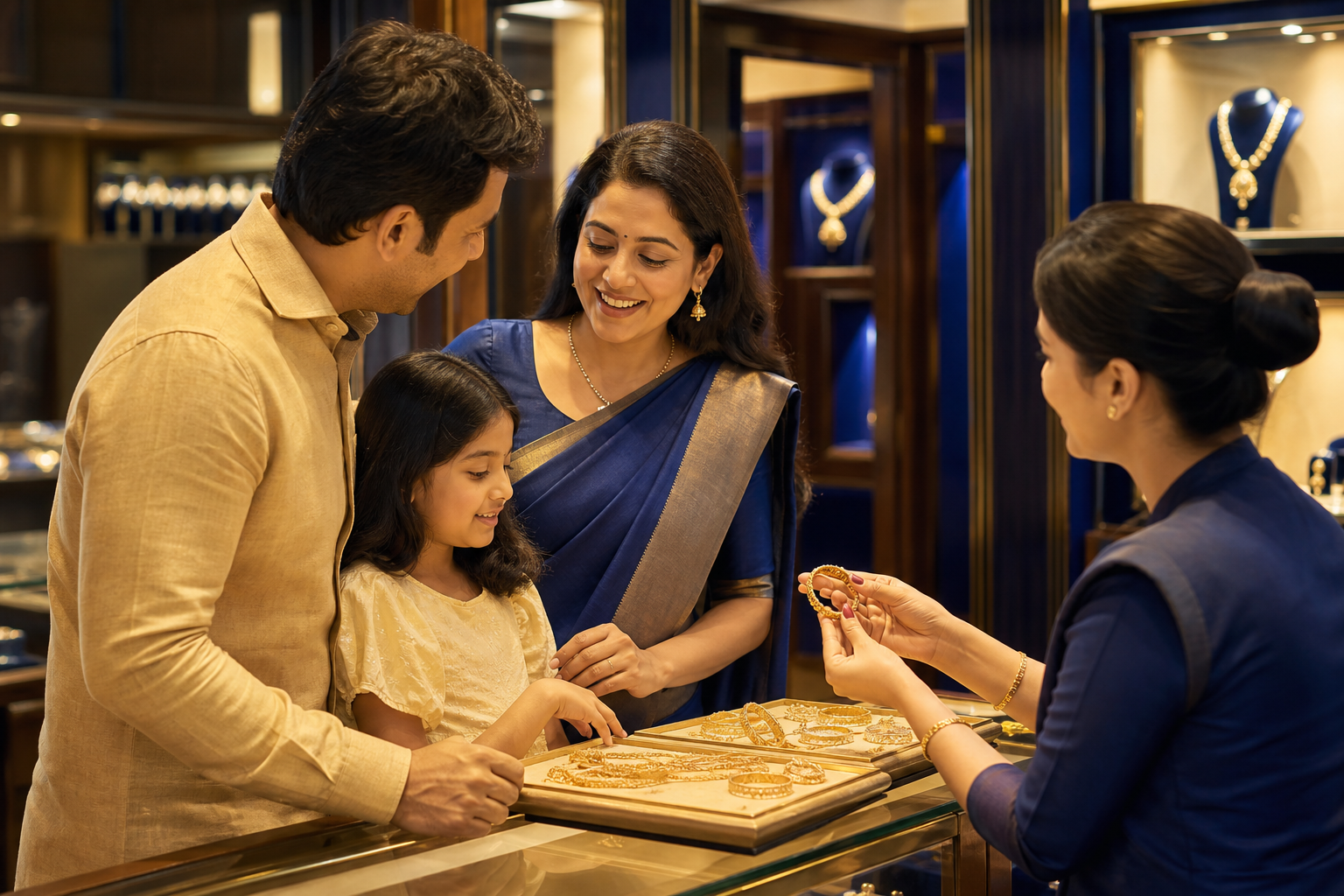
Situation: Jewellery and lifestyle purchases in India are deeply trust-led. Consumers want design and aspiration, but they also worry about purity, pricing transparency, service and family approval. This makes the category ideal for premiumisation - but risky for brands that treat it as only a price increase.
The move: Titan built a portfolio that covers multiple consumption steps. Tanishq strengthened organised jewellery retail; Mia addressed working women and lighter everyday jewellery; Zoya occupied the luxury end; Titan Watches and Fastrack played across watch and youth lifestyle segments; CaratLane brought digital discovery and omnichannel jewellery buying into the portfolio. Titan's public annual reports describe these business lines and brand architecture across jewellery, watches, eyewear and emerging businesses (Titan Company annual reports).
Why it worked: The primary driver was trust-backed premiumisation - Titan reduced perceived risk in categories where consumers are willing to spend more only if they trust the seller. Supporting drivers included retail experience, brand segmentation, design variety, omnichannel discovery and service assurance. This is the complete answer; not “Titan succeeded because Indians buy gold.”
Outcome and lesson: Titan's case shows that premiumisation is strongest when the brand upgrades the whole buying system - product, trust, store experience, financing comfort, service and identity. The lesson for interviews: premiumisation is a business model choice, not a cosmetic packaging choice.
How AI Changes Consumption, Premiumisation and the Rural-Urban Divide
1. Hyperlocal demand sensing becomes sharper. AI can combine sales, search, weather, festivals, local events and channel data to predict which SKUs should move to which pin codes. For rural markets, this matters because demand can be seasonal and route-to-market costs are high.
2. Premiumisation becomes more personalised. Instead of pushing the same premium product to everyone, brands can use recommendation engines to identify who is likely to trade up, what benefit matters - safety, taste, design, status, convenience - and which offer will not destroy margins.
3. The divide shifts from access to discoverability. As digital reach expands, the question is no longer only “Can the consumer see the product?” It becomes “Can the consumer trust the claim, understand the benefit and complete the purchase?” AI-led vernacular content, assisted commerce and conversational selling will matter more.
Use NotebookLM or ChatGPT with a company annual report and recent investor presentation. Ask: “Classify the company's portfolio into value, mass, premium and luxury tiers; identify rural vs urban growth levers; generate five interview questions on premiumisation risk.” Then verify every factual claim against the original document before using it.
Interview Relevance
“How would you explain premiumisation in India, and why does the rural-urban divide matter for a consumer company?”
Use the phrase “premiumisation is willingness to pay for perceived value.” It keeps your answer balanced and prevents you from sounding like premium equals expensive.
Common Mistake
The mistake: Saying “urban is premium, rural is price-sensitive.” This costs candidates because it sounds simplistic and ignores aspirational rural demand, value-seeking urban consumers and category differences. One-line fix: Say, “Both rural and urban markets have value and premium consumers; what differs is income stability, access, trust formation and route-to-market economics.”