
Co-Branding and Brand Personality Explained
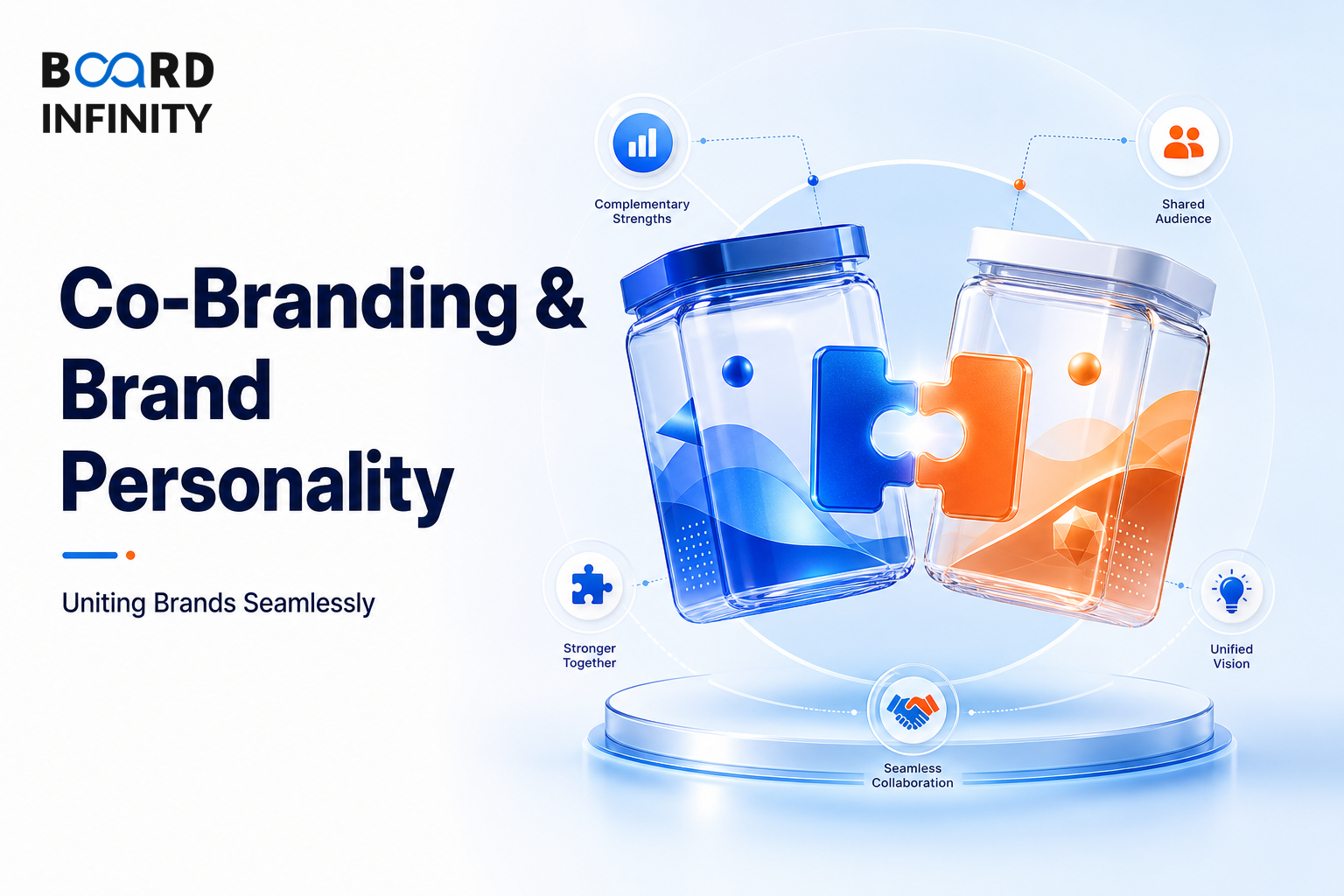
After Brand Positioning: The Bullseye Framework, the next question is how brands can borrow meaning, credibility, and associations from each other. Co-branding answers that question through a strategic alliance where two or more brands collaborate, while brand personality helps assess whether the partnership feels compatible. In interviews, this matters because you need to identify the type of partnership and explain why the brands fit together.
- Co-Branding is a strategic alliance where two or more brands collaborate to create a joint product or campaign, leveraging each other's equity for mutual benefit.
- Brand Equity is intangible value - loyalty, awareness, perceived quality, associations.
- The four types covered are Ingredient Co-Branding, Joint Venture Co-Branding, Promotional Co-Branding, and Same-Company Co-Branding.
- Ingredient Co-Branding includes Intel Inside on laptops and Dolby Audio in cinemas.
- Joint Venture Co-Branding includes Nike + Apple - Nike+iPod fitness tracker.
- Promotional Co-Branding includes GoPro + Red Bull extreme sports content partnership.
- Brand Personality uses Aaker's Five Dimensions: Sincerity, Excitement, Competence, Sophistication, and Ruggedness.
Big Picture: Co-Branding and Personality Fit
Co-branding is built on equity transfer: two or more brands collaborate to create a joint product or campaign, leveraging each other's equity for mutual benefit. Brand personality adds the compatibility lens by showing the human traits and values the brand embodies.
The practical interview move is simple: first identify the co-branding type, then check whether the partner brands' personalities fit the desired joint product or campaign.
Co-Branding: Strategic alliance where two or more brands collaborate to create a joint product or campaign, leveraging each other's equity for mutual benefit.
Types of Co-Branding
Co-branding can take different forms depending on whether one brand is a component inside another product, two brands co-create a new product, or the collaboration is a short-term campaign.
Intel Inside on laptops and Dolby Audio in cinemas show ingredient co-branding, where one brand's component is featured inside another's product. The strategic point is that the partner brand's equity becomes part of the product's perceived value.
Brand Personality: Aaker's Five Dimensions
Brand Personality uses Aaker's Five Dimensions to describe the human traits associated with a brand. These dimensions help marketers compare whether two brands feel strategically compatible before creating a joint product or campaign.
Red Bull and Nike sit in the Excitement dimension, with traits such as daring, spirited, imaginative, up-to-date, and trendy. GoPro + Red Bull extreme sports content partnership also fits this logic because the campaign context supports an adventurous, high-energy personality.
Structuring a Co Interview Answer
"How would you evaluate whether two brands should enter a co-branding partnership?"
Do not treat every partnership as the same. Strong answers classify the co-branding type first, then use brand personality to explain why the partner brands feel strategically compatible.
The single most frequent error is to describe co-branding only as a joint campaign. That loses points because the framework distinguishes ingredient, joint venture, promotional, and same-company co-branding, and Aaker's five dimensions explain whether the brands feel compatible.
Conclusion
Co-branding works when two or more brands collaborate to create a joint product or campaign while leveraging each other's equity for mutual benefit. Aaker's Five Dimensions give marketers a simple way to judge whether that partnership feels credible, compatible, and strategically clear.