
Conflict Resolution Modes: Choose the Right Mode Deliberately in Interviews
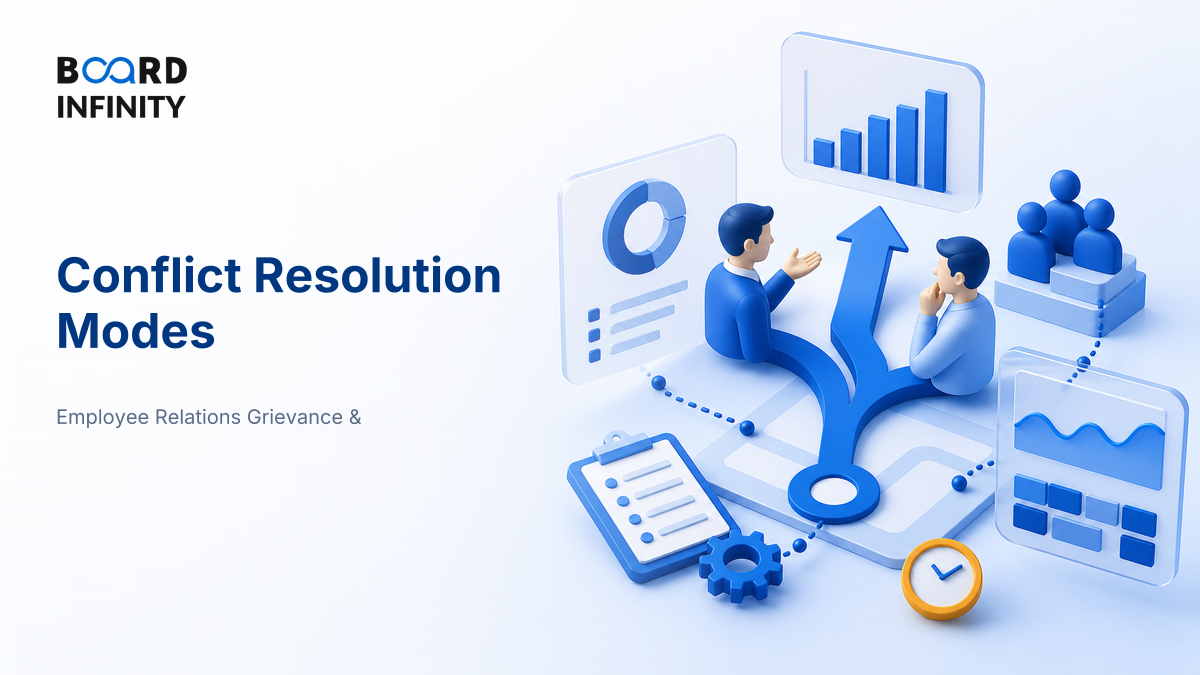
At 6:40 a.m., a shift supervisor hears two operators argue over a safety shortcut while trucks wait at dispatch. If she orders silence, production restarts; if she ignores it, resentment spreads; if she facilitates a hard conversation, the line may stop longer but the real risk surfaces.
- Conflict resolution mode means the behaviour you choose when goals, interests, or values clash.
- The Thomas-Kilmann model maps modes on two axes: assertiveness and cooperativeness.
- The five modes are competing, collaborating, compromising, avoiding, and accommodating.
- Collaborating is best when both the outcome and relationship matter, but it needs time and trust.
- Competing is valid in emergencies, ethics breaches, safety issues, or non-negotiable policy matters.
- Compromising is useful under time pressure when both sides can give up something acceptable.
- The biggest mistake is saying “collaboration is always best.” The right answer is: diagnose first, then choose.
Big Picture: Conflict Mode Is a Choice, Not a Personality Trait
Strong managers do not use one conflict style everywhere. They read the situation: how high are the stakes, how important is the relationship, how much time exists, and who has legitimate authority? The Thomas-Kilmann lens makes this practical by separating assertiveness from cooperativeness.
The Five Conflict Resolution Modes
Each mode is useful in the right context and damaging in the wrong one. The interview-ready answer is not “I prefer collaboration”; it is “I choose the mode based on urgency, stakes, relationship, and power.”
How to Choose a Mode Deliberately
The fastest way to choose is to climb a small ladder before reacting. Start with self-control, then diagnose the conflict, then select the mode. This is what separates mature managers from people who simply “win” arguments.
A Simple Mode Selector You Can Apply Quickly
Use this as a mental checklist. If two conditions are true at once, choose the mode that protects the larger organisational interest.
Toyota’s production system is famous for encouraging workers to surface problems rather than hide them. The primary driver is collaborative problem-solving at the source, supported by standard work, visual controls, supervisor routines, and a culture where defects are treated as system signals. So what: collaboration is powerful when the organisation wants root-cause learning, not just quick compliance.
Definitions You Should Say Cleanly
- Conflict: a perceived incompatibility of goals, interests, values, or actions between two or more parties.
- Thomas-Kilmann model: a conflict-handling framework based on assertiveness and cooperativeness.
- Assertiveness: the extent to which you try to satisfy your own concerns.
- Cooperativeness: the extent to which you try to satisfy the other person’s concerns.
- Conflict resolution mode: the behavioural approach chosen to handle a conflict situation.
Case Study: Air India Express and a Workforce Conflict
Air India Express faced a major workforce disruption in 2024 and showed why managers may need to shift modes as conflict conditions change.
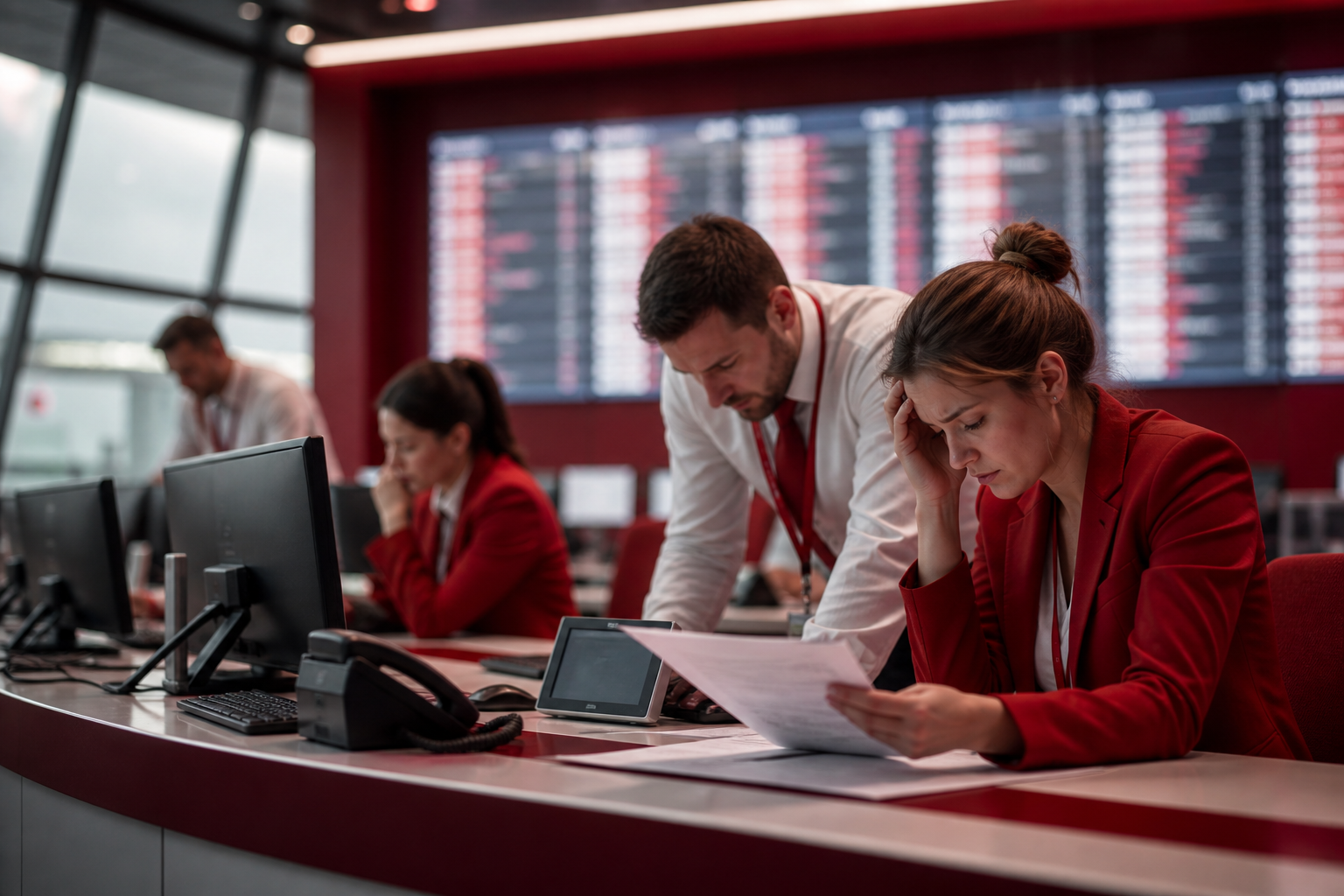
Situation: In 2024, Air India Express faced disruption after a section of cabin crew reported sick, leading to significant flight cancellations and customer inconvenience. The conflict sat inside a larger organisational context: integration after the Air India group’s transformation, employee concerns, service continuity pressure, and the sensitivity of aviation operations.
The move: The company initially used a more competing stance by taking disciplinary action against some employees. As the disruption affected operations and the labour-relations dimension became sharper, the conflict moved into a more mediated compromise and problem-solving mode through discussions involving labour authorities. Reported outcomes included withdrawal of termination letters and crew returning to work, while issues were to be examined further.
The lesson: The primary driver of resolution was not “being soft” or “being strict.” It was the shift from a unilateral stance to a process that could restore operations while acknowledging employee concerns. Supporting drivers included business continuity pressure, reputational risk, formal labour machinery, and the need to manage integration-related employee sentiment.
How AI Changes Conflict Resolution Modes
AI does not remove conflict. It changes how early leaders detect it, how they prepare for it, and how they avoid biased or emotional decision-making.
- Early warning through employee listening: AI can summarise themes from pulse surveys, exit comments, HR tickets, and town-hall questions. Used carefully, it helps HR spot rising conflict before it becomes attrition, absenteeism, or disruption.
- Role-play and preparation: Managers can use generative AI to simulate a difficult conversation from the other party’s perspective. This is especially useful before choosing between competing, compromising, and collaborating.
- Policy consistency checks: AI can help compare a proposed action against employee handbooks, standing orders, codes of conduct, and past precedents. The caveat is serious: HR must check bias, confidentiality, and India’s DPDP Act obligations where personal data is involved.
Load your HR notes, a company’s code of conduct, and a short case description into NotebookLM. Ask: “Map this conflict to the five Thomas-Kilmann modes, recommend the best mode, and list two risks if I choose the wrong one.” Then practise answering aloud in 90 seconds.
Interview Relevance
“You are an HR business partner. A high-performing sales manager and an operations manager are fighting over delivery commitments. Sales says operations is slowing revenue; operations says sales is overpromising. Which conflict resolution mode will you use?”
Use the phrase: “I would not start with my preferred style; I would first diagnose urgency, stakes, relationship value, and decision rights.” That sentence signals managerial maturity.
Common Mistake
The mistake: saying “collaboration is always the best mode.” It costs candidates because it sounds idealistic and ignores emergencies, authority, safety, ethics, and time pressure. One-line fix: “Collaboration is best when both outcome quality and relationship matter, but the right mode depends on context.”
What to Revise Next
Now move from individual and managerial conflict to institutional conflict. Revise Trade Unions, Recognition and Collective Bargaining in India first, then study Strikes, Lockouts and Dispute Resolution Machinery. That sequence will help you connect interpersonal conflict modes with formal industrial relations systems.