
Shop-Floor Dispute Handling: A Practical Interview Case Framework
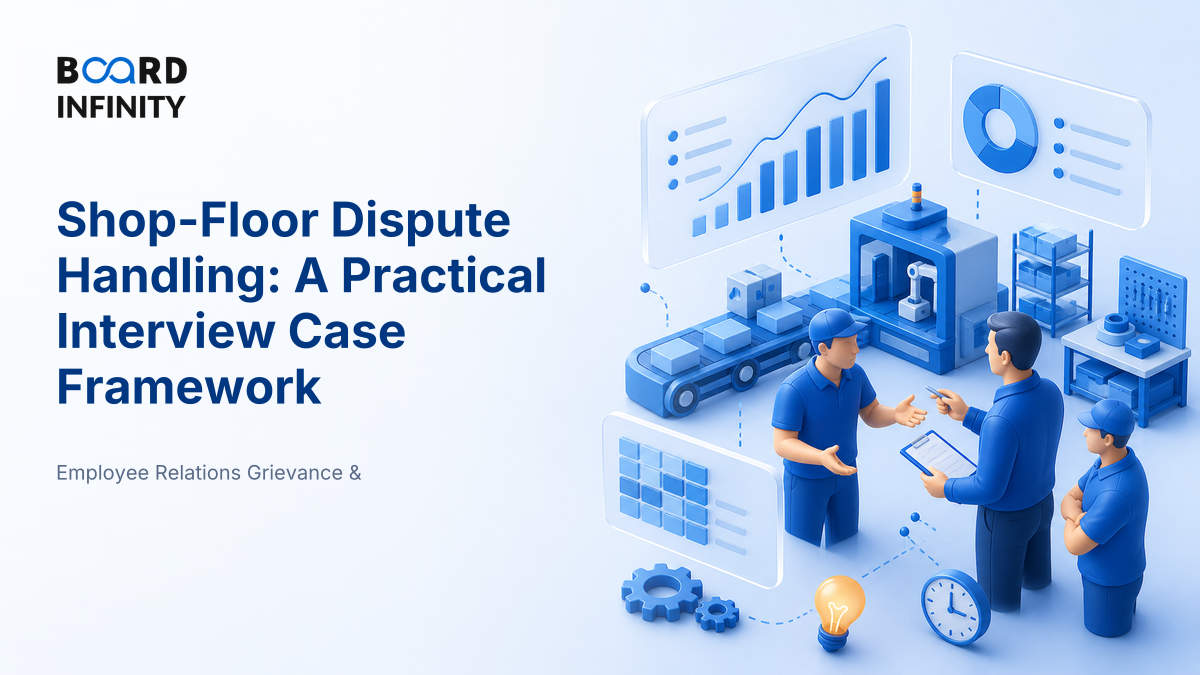
At 9:05 a.m., one machine line is running slow, two operators are refusing overtime, and a supervisor is calling it “attitude.” By noon, the same issue can become a union flashpoint - or it can become a solved grievance with trust intact.
- A shop-floor dispute usually escalates when managers treat a relationship problem as only a discipline problem.
- The first job is not to “win” the argument. It is to stabilise production, safety and dignity.
- Use the 5-step flow: Spot signal - Stabilise - Diagnose - Negotiate - Institutionalise.
- Separate three layers: facts, feelings and formal rights. Mixing them causes escalation.
- In India, always respect the plant’s standing orders, grievance procedure, union recognition norms and applicable labour law process.
- Track dispute health using grievance rate, response time, closure time, repeat rate, absenteeism and production loss.
- The best interview answer names both sides’ interests, proposes a calm process and shows how the learning is built into SOPs.
Big Picture: A Dispute Is a Signal, Not Just a Problem
A shop-floor dispute is rarely about one angry worker or one strict supervisor. It is usually a signal that something in the operating system - workload, pay interpretation, shift allocation, safety, dignity, communication or trust - has broken down.
The best HR answer is operationally realistic: keep the plant safe, hear both sides, use the formal mechanism, and prevent the same issue from returning next month.
Core Explanation: How to Handle a Shop-Floor Dispute Before It Escalates
The core idea is simple: move faster on emotions, slower on punishment, and very carefully on facts. Escalation happens when one side feels unheard, humiliated or cornered. De-escalation happens when both sides see a fair process.
The Two Mindsets: Firefighting vs Dispute Stewardship
Many candidates jump to “issue a warning” or “call the union leader.” That is firefighting. A better HR manager acts as a dispute steward - someone who protects people, production and process at the same time.
The 5-Step Shop-Floor Dispute Handling Framework
The Diagnostic Matrix: What Kind of Dispute Is This?
Before proposing action, classify the dispute. A wage interpretation issue needs a different response from a harassment allegation or a safety refusal.
What to Track: 6 Practical Shop-Floor Dispute Metrics
Good HR managers do not rely only on “plant mood.” They convert tension into measurable early-warning indicators. Benchmarks vary by plant, so judge each metric against the plant’s own 6-12 month baseline and agreed service standards.
Tata Steel is often cited in Indian industrial relations for its long tradition of joint consultation and structured worker-management dialogue. The strategic lesson is not that “culture solves everything”; the primary driver is institutionalised participation, supported by union legitimacy, formal committees, supervisor routines and a long-term employment relationship. So what: shop-floor peace is built before the dispute, not during the shouting match.
Definitions You Can Say in an Interview
- Shop-floor dispute: A worksite disagreement between workers and management affecting work, conditions, discipline, safety, pay or dignity.
- Grievance: A formal or informal employee complaint about unfair treatment, policy breach, working conditions or rights.
- Industrial dispute: Under India’s Industrial Disputes Act, it concerns employment, non-employment, employment terms or labour conditions.
- De-escalation: Actions that reduce emotional intensity, restore dialogue and prevent a disagreement from becoming disruptive conflict.
Toyota Kirloskar Motor: When a Plant Dispute Becomes an Escalation Lesson
Toyota Kirloskar Motor’s Bidadi labour dispute shows how wage, discipline and trust issues can move from shop-floor tension to plant-level disruption.
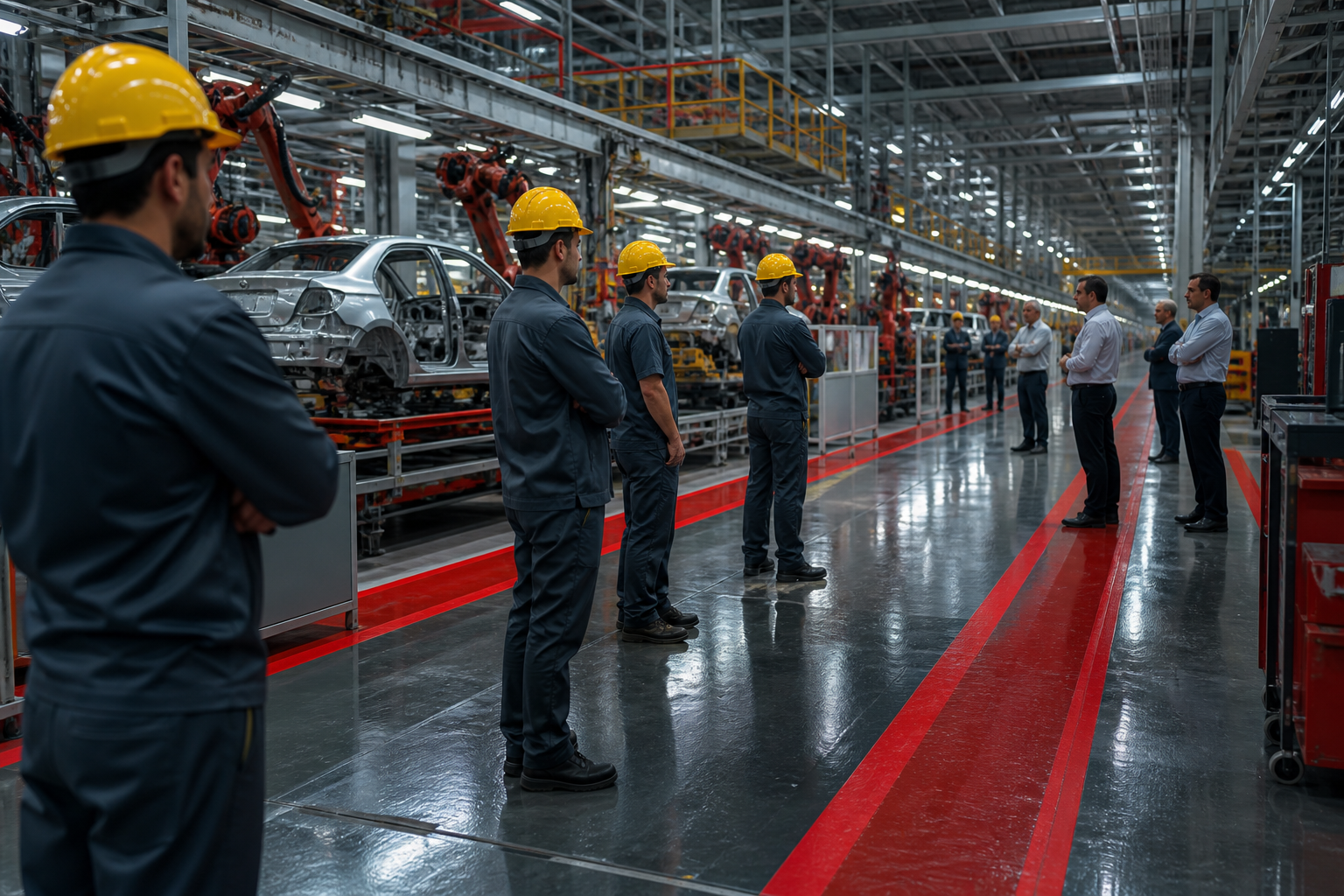
In 2014, Toyota Kirloskar Motor’s Bidadi plant in Karnataka faced a labour dispute involving wage settlement tensions and disciplinary issues. The matter escalated into a lockout and required external conciliation. The important learning for an MBA student is not to memorise the event as a labour law fact, but to understand the escalation pattern.
The primary driver of escalation was a trust deficit around management action and worker demands. Supporting drivers included high production pressure, adversarial communication, disciplinary flashpoints and the need for formal third-party intervention once direct dialogue weakened.
The takeaway: escalation is rarely caused by one meeting or one worker. It happens when an unresolved issue, a dignity trigger and a weak communication channel collide.
How AI Changes Shop-Floor Dispute Handling
AI does not replace employee relations judgement, but it can improve early warning, evidence quality and preparation. The risk is equally real: biased or over-surveilled systems can destroy trust if employees feel they are being watched rather than heard.
Use NotebookLM: upload this lesson, a company annual report and any public article on a labour dispute. Ask: “Create a 5-step HR response plan, list likely interviewer follow-ups, and identify legal or ethical risks in my answer.” Then rehearse aloud using the structure below.
Interview Relevance
“You are the HR manager at a manufacturing plant. Workers on one line refuse overtime after alleging unfair shift allocation by the supervisor. Production is under pressure. What will you do?”
Use this sentence in your answer: “I would not begin with punishment; I would begin with stabilisation, fact-finding and a fair process, while reserving disciplinary action for verified misconduct.”
Common Mistake
The single biggest mistake is giving a one-sided answer: “I will tell the workers to resume work or face action.” It costs candidates because it sounds legally risky, operationally naive and low on empathy. Fix: show that you can protect production and dignity together through a documented, fair process.
What to Revise Next
This is a natural capstone topic because it combines HR judgment, labour law awareness, conflict resolution, metrics and business continuity. As a final review, revise the whole employee relations journey as one chain: grievance handling, disciplinary process, collective bargaining, labour law basics, safety culture and ethical decision-making.