
Nike India: Localising Just Do It Through Culture-First Marketing
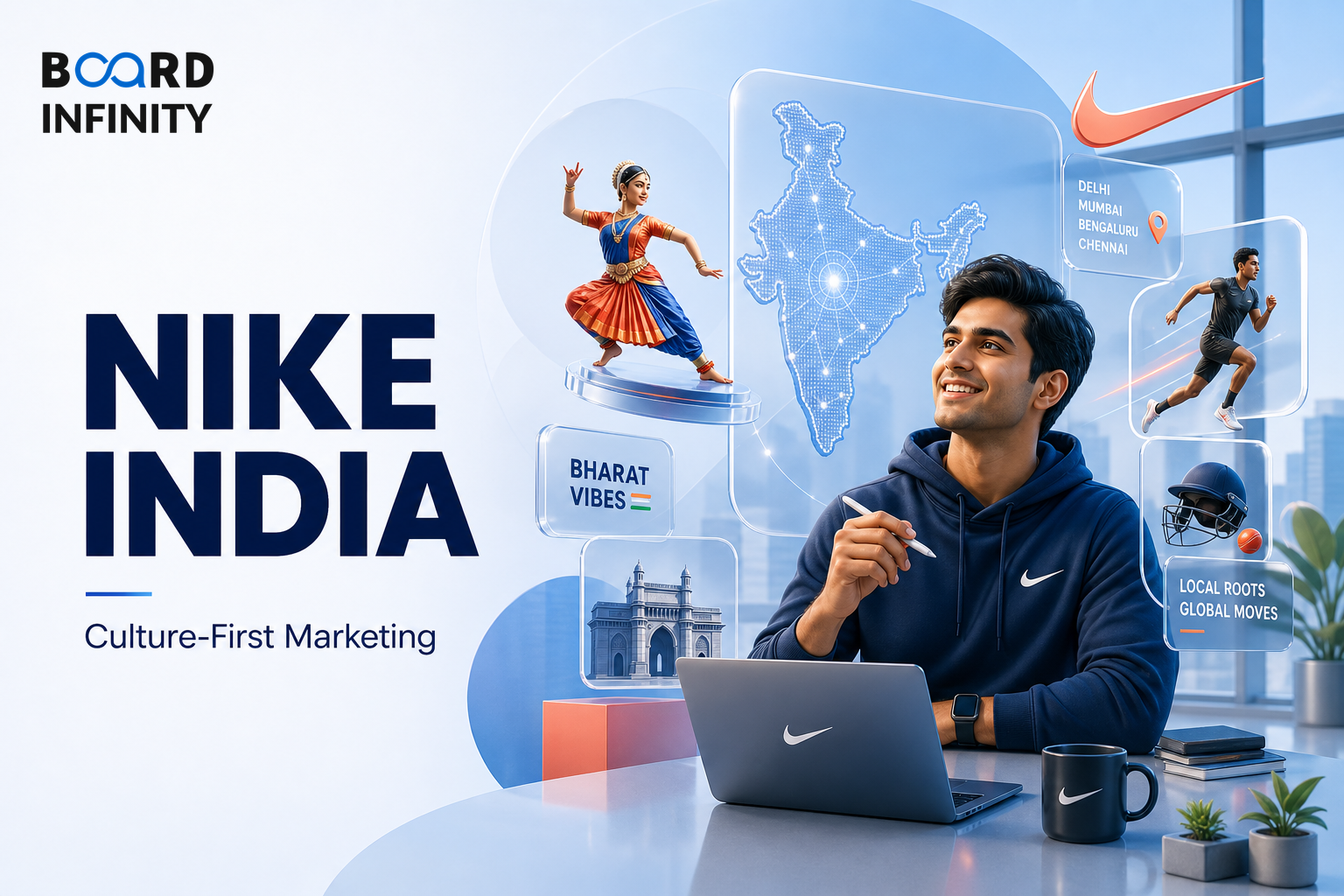
Swiggy Instamart: Creating a New Category showed how sequencing matters when consumer behaviour is still forming. Nike India answers a related localisation question: how does a global brand win in a market where the culture around its category is not yet fully built? For interviews, this matters because Nike did not win by translating global ads - it had to build the culture before selling the product.
- Nike entered India aggressively in the 2010s but initially struggled because India is a cricket and movie-star nation, not a fitness-culture market.
- Nike had to build the culture before selling the product.
- The strategy was Culture-First Marketing: invest in free running events, community building, and featuring Indian athletes.
- 'Da Da Ding' (2016) featured Deepika Padukone + real women athletes and got 35M+ YouTube views.
- Nike Run Club built a community of 500K+ runners and drove shoe sales through experience.
- Cricket Integration made Nike relevant to India's mainstream sports audience, not just 'runners and basketball'.
- The key lesson: this is the difference between adaptation and true localisation.
Company Context
Nike entered India aggressively in the 2010s but initially struggled - India is a cricket and movie-star nation, not a fitness-culture market. Nike had to build the culture before selling the product.
The big picture is simple: Nike did not just 'localise ads'. They invested in building fitness culture in India - free running events, community building, featuring Indian athletes. The product sell was secondary to the cultural shift.
Nike India: The Full Framework in One Business
Nike India demonstrates the whole localisation case because the brand won by connecting campaign insight, execution, and impact around India's sports culture.
A shallow answer says Nike translated its global message. A complete answer shows how Nike built fitness culture in India before pushing products.
Nike didn't just 'localise ads'. They invested in building fitness culture in India - free running events, community building, featuring Indian athletes. The product sell was secondary to the cultural shift.
How Culture-First Marketing Worked
'Da Da Ding' addressed the insight that Indian women athletes were invisible in advertising. The execution featured Deepika Padukone + real women athletes in an energetic film celebrating women in sport, and the impact was 35M+ YouTube views.
Nike Run Club addressed a different gap: running was growing but lacked community infrastructure. Nike used free running events in 10+ cities, NRC app localised for India, and partnerships with local running groups to build a community of 500K+ runners.
'You Can't Stop Us' worked during a moment when the pandemic threatened fitness habits and people felt isolated. The split-screen video connected athletes globally and was localised with Indian cricket/sports moments, creating emotional resonance during lockdown.
Cricket Integration solved the relevance problem in India's biggest sport. Nike signed Virat Kohli as brand ambassador, launched cricket-specific training gear, and tied NRC to IPL events, making Nike relevant to India's mainstream sports audience.
Worked Example: Nike Run Club
The situation was that running was growing but lacked community infrastructure. Nike's response was not only to sell shoes, but to create free running events in 10+ cities, localise the NRC app for India, and partner with local running groups.
The decision turned Nike Run Club into an experience-led community, not only a product channel. The outcome was a community of 500K+ runners and shoe sales driven through experience.
Structuring a Nike India Interview Answer
"How did Nike localise 'Just Do It' for India?"
The strongest answer frames Nike India as a localisation case where the brand won not by translating global ads, but by investing in India's sports culture, communities, and athletes before pushing products.
The most frequent error is saying Nike simply localised ads for India. That misses the key lesson: Nike invested in building fitness culture in India, and the product sell was secondary to the cultural shift.
Conclusion
Nike India's localisation worked because the brand built culture before selling product. For interviews, the final takeaway is to distinguish adaptation from true localisation: true localisation invests in the market's communities, athletes, and habits before pushing the sale.