
Email Marketing & Marketing Automation: Interview-Ready Lifecycle Framework
“Email is dead” is one of marketing’s most expensive myths. The same customer who ignores a generic sale blast will still open an order update, a flight alert, a cart reminder or a personalised renewal email because the message arrives at the exact moment it matters.
- Email marketing is permission-based communication to acquire, retain, convert or reactivate customers through email.
- Marketing automation turns email from one-time blasts into triggered journeys based on customer behaviour, lifecycle stage and rules.
- The winning sequence is: consent, clean data, segmentation, trigger, personalised content, measurement, optimisation.
- The strongest email programs are lifecycle-led: welcome, browse/cart abandonment, purchase, cross-sell, loyalty, win-back and service updates.
- Do not judge email only by open rate. Track delivery rate, CTR, CTOR, conversion rate, unsubscribe rate and revenue per email.
- Automation works when it is helpful and timely; it fails when it becomes spam at scale.
- In interviews, answer with the journey logic: who receives what, when, why, through which trigger, and how success is measured.
The Big Picture: Email Is a Lifecycle Engine, Not a Blast Button
The simplest way to understand email marketing is to stop seeing it as a campaign channel and start seeing it as a customer relationship loop. Each email should either create value, move the customer to the next step, or teach the marketer something useful for the next interaction.
Core Explanation: What Email Marketing Automation Actually Does
Email marketing sends relevant messages to people who have given permission. Marketing automation decides which message goes to which person at which moment, based on data and rules.
Think of it like a smart railway signalling system. A campaign blast is one train sent to everyone. Automation is a network of tracks where each customer is routed differently depending on behaviour - signed up, browsed, abandoned cart, purchased, renewed, complained or gone silent.
The Three Layers of Email and Automation
Email programs usually operate at three levels. Interviewers often test whether you can separate these because confusing them leads to shallow answers.
The strategic point: transactional email protects the experience, promotional email creates spikes, and automation compounds over time.
The Email Automation Journey Map
A good automation journey is not “send more emails.” It is a designed path that matches customer intent. The same customer may move through multiple journeys over time.
The 6-Step Framework to Design an Email Automation Program
Segmentation: The Heart of Relevance
Segmentation means dividing the email audience into meaningful groups so that the message feels relevant. The best segments are not just demographic. They combine who the customer is, what they did, what they are likely to do, and what they are worth.
Automation Types You Should Be Able to Name
If asked for examples, do not stop at “cart abandonment.” Show breadth across the lifecycle.
Metrics That Matter in Email Marketing
Open rate is useful, but it is no longer enough. Apple Mail Privacy Protection and image-loading behaviour can distort opens, so stronger candidates talk about click, conversion, revenue and list health.
For automation, ask: “What incremental lift did this journey create versus a holdout group?” That is stronger than reporting only opens or clicks.
Definitions You Can Say in One Breath
Email marketing: Permission-based communication through email to acquire, convert, retain or reactivate customers.
Marketing automation: Software-driven orchestration of marketing messages triggered by customer data, behaviour, rules or predicted intent.
Seth Godin on permission marketing: “Permission marketing is the privilege of delivering anticipated, personal and relevant messages to people who actually want to get them.”
MakeMyTrip: Lifecycle Automation in a High-Intent Category
MakeMyTrip shows how email automation works when customer intent, timing and service anxiety are converted into lifecycle journeys.
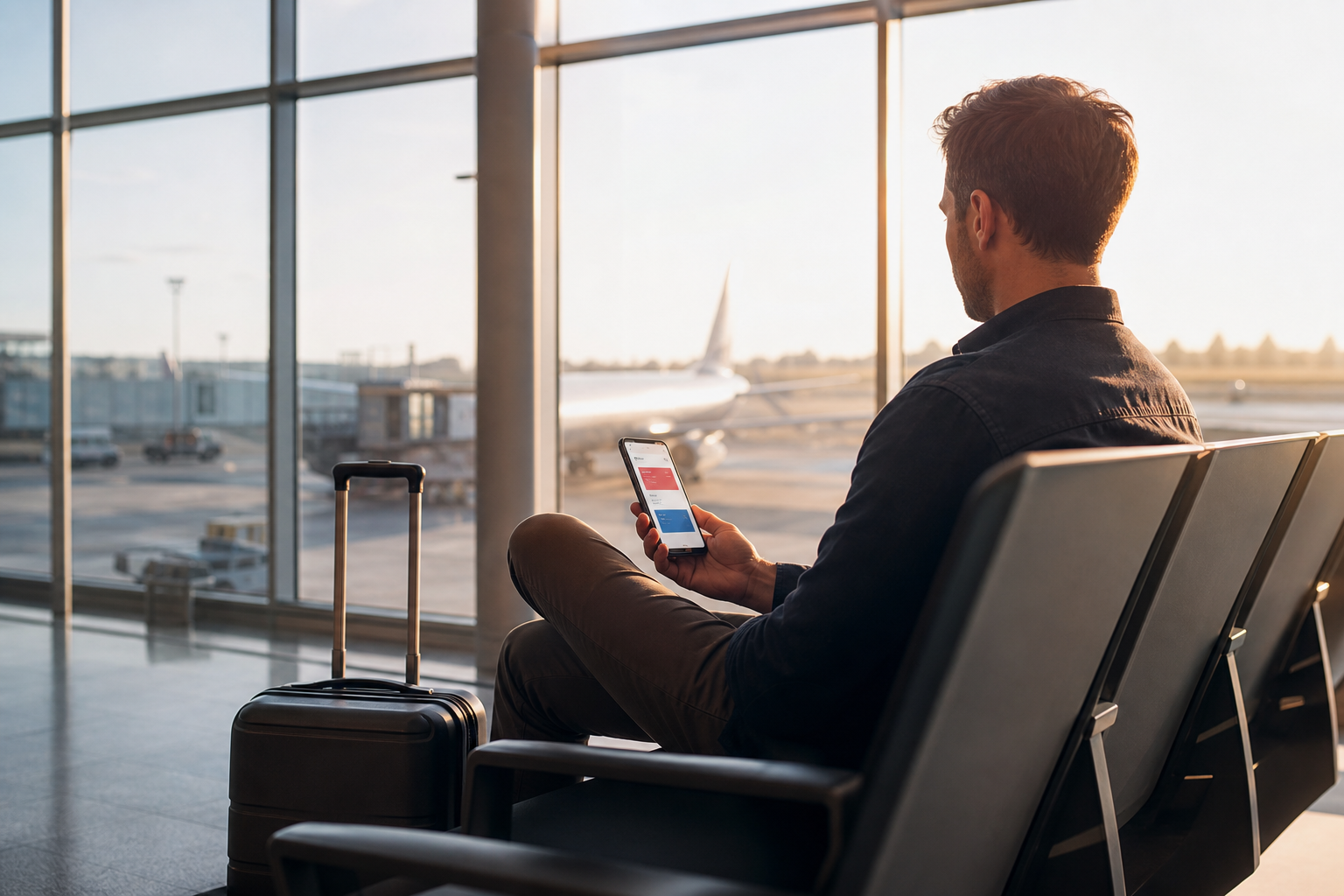
Situation: Travel is a high-consideration category. A user may search flights, compare hotels, abandon a booking, return later, worry about confirmation, add airport transfers, check cancellation rules and then need reminders before the trip. A generic promotional blast cannot handle this complexity.
The move: MakeMyTrip and similar online travel platforms use lifecycle communication across email, app notifications and other direct channels. The email layer is especially valuable for confirmations, itinerary details, reminders, invoices, offers and reactivation. The primary driver is intent data tied to travel timing - search date, destination, booking status, departure date and customer history. Supporting drivers include a large consented user base, dynamic content, cross-channel coordination, deliverability discipline and continuous testing.
The result or lesson: The strategic lesson is not “send travel offers.” It is that automation converts fragmented travel intent into sequenced assistance: reassure after booking, remind before travel, cross-sell where relevant, and reactivate when the customer is likely to plan again.
So what: In categories with strong intent signals, automation wins because it is timely and useful. The primary driver is behavioural timing; the supporting drivers are data quality, permissions, content relevance, channel coordination and measurement.
A Simple Decision Matrix: Which Emails Deserve Automation?
Not every email should be automated. Use urgency and customer value to decide where to start.
How AI Changes Email Marketing & Marketing Automation
AI does not replace the fundamentals of consent, relevance and measurement. It changes how fast marketers can detect intent, create variants and optimise journeys.
Student workflow: Use ChatGPT or Claude to draft a lifecycle automation map for a chosen company, then use Perplexity to verify the company’s actual business model, direct channels and regulatory context. For deeper prep, load company pages, emails you have received and annual-report excerpts into NotebookLM and ask: “Generate likely interview questions on this company’s email automation and retention strategy.”
AI-generated personalisation must still respect consent, unsubscribe choices, data minimisation and India’s Digital Personal Data Protection Act principles where applicable.
Interview Relevance
“Design an email marketing automation strategy for an Indian ecommerce or travel brand. What journeys will you build and how will you measure success?”
Use this sentence in your answer: “I would not begin with campaigns; I would begin with the customer lifecycle and identify the moments where a timely email reduces friction or increases value.”
Common Mistake
The biggest mistake is treating automation as “more emails to more people.” It costs candidates because it ignores permission, fatigue, deliverability and customer intent. The fix: design fewer, sharper lifecycle journeys with clear triggers, suppression rules and conversion metrics.
What to Revise Next
Once email automation is clear, move to adjacent direct and paid digital channels. First revise WhatsApp & Conversational Marketing: India's Direct Channel because it extends the same consent-and-timing logic into a higher-attention Indian channel. Then revise Affiliate, Influencer & Programmatic in the Digital Mix to understand how acquisition channels feed the owned lifecycle engine.
Social Media Marketing Interview Guide: Meta, Instagram, LinkedIn & YouTube