
Measuring Brand Health & Brand Valuation

A customer buying Tata Salt in a kirana store is not valuing Tata Sons - but she is quietly strengthening one of India’s most valuable intangible assets. Brand health is that trust repeated at scale; brand valuation is the attempt to put money on the future cash flows that trust can create.
- Brand health measures how strongly a brand lives in customers’ minds and behaviour - awareness, meaning, consideration, preference, loyalty and advocacy.
- Brand valuation estimates the monetary value of a brand by linking brand strength to future earnings, price premium, royalty savings or comparable market evidence.
- The clean logic is: memory structures → customer choice → revenue/margin/risk impact → brand value.
- Do not stop at awareness. A healthy brand must also convert awareness into consideration, preference, purchase, repeat and willingness to pay.
- Key metrics include unaided awareness, consideration, preference, NPS, share of search and price premium.
- Common valuation methods are cost, market and income approaches; the income approach is most interview-relevant.
- The strongest interview answers connect marketing metrics to business outcomes: higher cash flows, lower acquisition cost, higher retention, lower perceived risk and better pricing power.
The Big Picture: Brand Health Becomes Brand Value Only When It Changes Choice
Think of a brand as a bridge between the customer’s mind and the company’s financial statements. If people remember it, trust it, consider it and pay for it repeatedly, the brand becomes an economic asset.
Core Explanation: What Exactly Are You Measuring?
Brand health is a diagnostic dashboard. It tells you whether the brand is getting stronger or weaker in the market before the P&L fully shows it.
Brand valuation is a financial exercise. It asks: if this brand were separable from the business, what is the present value of the economic benefit it creates?
The two are related, but not identical. A brand can have high awareness and weak value if it cannot command preference or premium. A brand can have niche awareness and high value if it dominates a profitable segment with loyalty and pricing power.
The Brand Health Funnel: From Being Known to Being Chosen
The simplest way to diagnose brand health is to move stage by stage through the customer’s decision journey. At each stage, ask: where are we leaking customers?
Key Brand Health Metrics: What to Track and What Good Looks Like
Use a small set of metrics that covers the full funnel. In interviews, say the “good” benchmark depends on category, price point and purchase frequency - then give practical interpretation.
Apple is repeatedly ranked among the world’s most valuable brands by major brand valuation firms. The strategic point is not “Apple advertises well”; the primary driver is a tightly integrated product and services ecosystem that raises switching costs and perceived quality, supported by design consistency, retail experience, privacy positioning and a strong developer ecosystem. So what: brand health becomes value when it supports pricing power, repeat purchase and lower perceived risk.
Definitions You Should Be Able to Say Cleanly
AMA on brand: “A name, term, design, symbol, or any other feature that identifies one seller’s goods or service as distinct from those of other sellers.”
Keller on customer-based brand equity: “The differential effect that brand knowledge has on consumer response to the marketing of that brand.”
Brand valuation: The process of estimating the monetary value of the economic benefits attributable to a brand.
Brand Valuation: Three Main Approaches
Brand valuation turns brand strength into money. The hard part is attribution: separating the brand’s contribution from product quality, distribution, patents, sales force and category growth.
A Small Worked Example: Relief-from-Royalty Method
The relief-from-royalty method asks: if the company did not own the brand, what royalty would it have paid to license it?
This is deliberately simplified. In a real valuation, you would forecast multi-year revenue, choose a supportable royalty rate from comparables, adjust for taxes, assess useful life, discount cash flows and test sensitivities.
Case Study - Titan: Turning Trust into Measurable Brand Value
Titan shows how a brand in a high-trust category can create value by reducing customer risk, supporting premium positioning and scaling across retail formats.
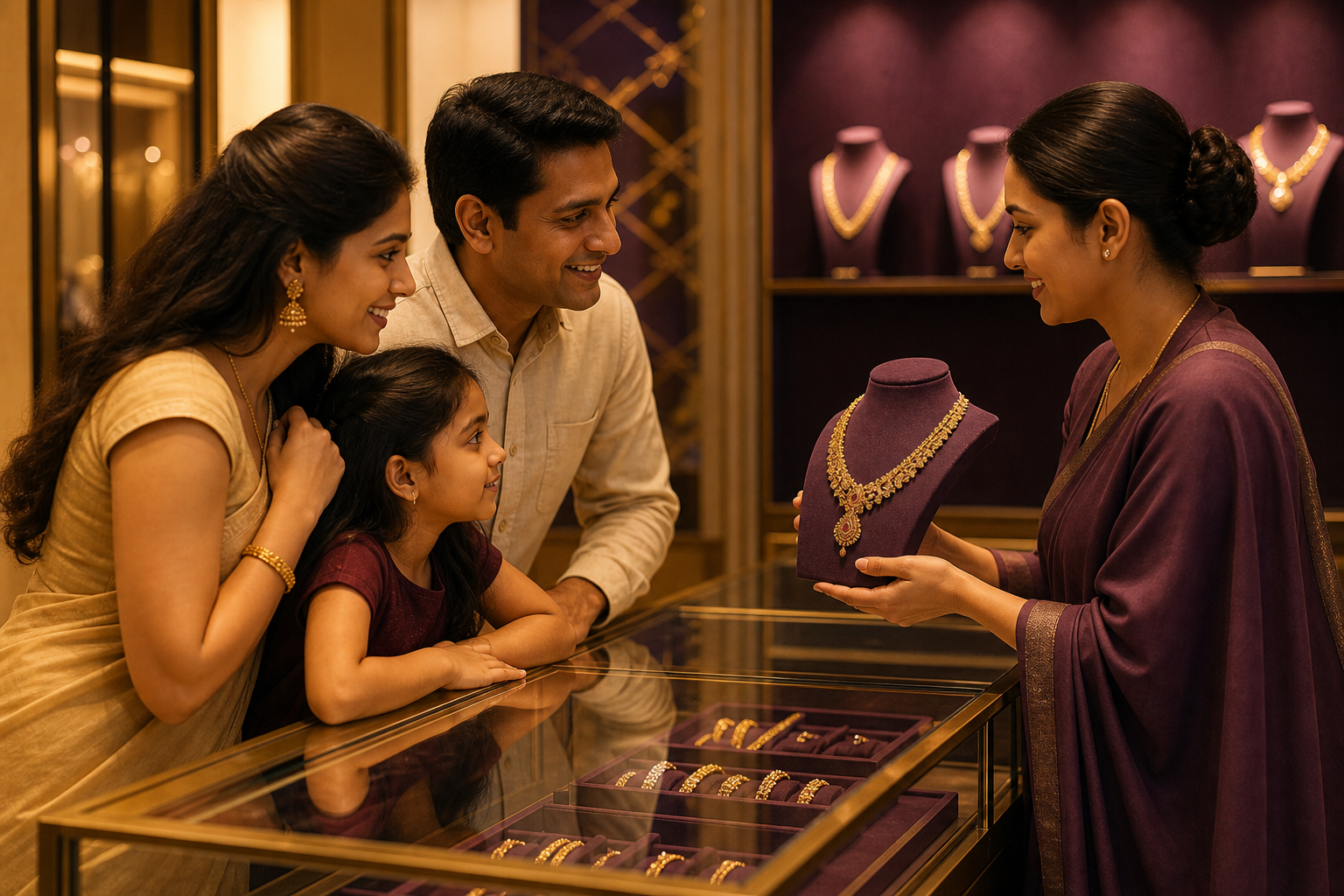
Situation: Jewellery in India is emotionally important, high-ticket and trust-heavy. Customers worry about purity, making charges, resale value, design authenticity and whether the retailer is being transparent.
The move: Titan’s jewellery business built brand health around trust, not just visibility. The primary driver was risk reduction in a purchase where customers fear being misled. Supporting drivers included transparent store experience, quality assurance, modern designs, parent-company credibility, consistent advertising and a growing retail network.
Outcome and lesson: The brand’s strength is not merely that consumers recognise the name. The deeper value is that customers are more willing to enter the store, consider branded jewellery, pay for assurance, repeat purchases for life events and recommend the brand. That is exactly the bridge from brand health to brand valuation.
Strategic so what: Titan’s lesson is that brand valuation is not a vanity number. It is the financial shadow of hard customer behaviour - trust, preference, repeat buying and willingness to pay.
How AI Changes Measuring Brand Health & Brand Valuation
AI changes this topic in three practical ways by 2026.
Student workflow: Use NotebookLM or Perplexity to load a company’s annual report, recent investor presentation and customer review snippets. Ask: “What evidence suggests this brand has pricing power, loyalty, trust or weakening brand health?” Then convert the answer into a brand health dashboard and valuation logic.
AI can summarise signals, but it can also amplify noisy sentiment. For interview use, always triangulate AI outputs with survey data, sales data, search data and financial performance.
Interview Relevance
“How would you measure the health of a brand, and how is that different from valuing the brand financially?”
If the interviewer gives you a brand, first ask the category context: high involvement or low involvement, purchase frequency, competitive set, target segment and available data. Brand health metrics are useless without context.
Common Mistake
The mistake: treating brand health as just awareness or social-media buzz. Why it costs candidates: awareness without consideration, preference or pricing power may not create value. One-line fix: always move from “known” to “chosen” to “financial impact.”
What to Revise Next
Now that you can measure whether a brand is healthy and valuable, revise how brand assets behave in AI-led discovery and what a brand manager actually does with these dashboards.