
Targeting strategies: mass, niche, differentiated, concentrated
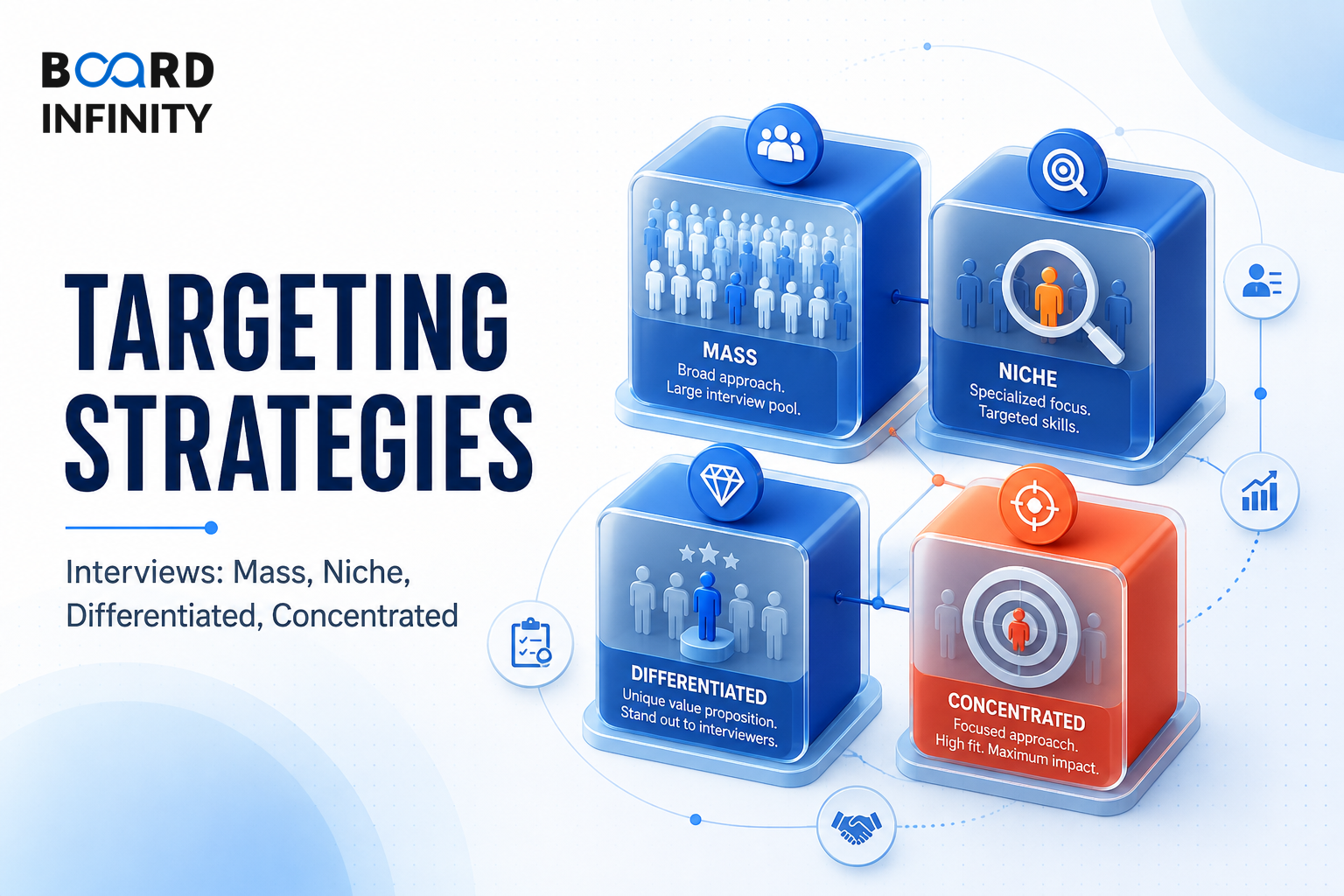
Walk through an Indian mall and targeting is visible before anyone says the word marketing: a value grocery brand shouts “for every household,” a luxury skincare counter whispers to a tiny premium audience, and an EV scooter showroom speaks to urban riders who care about technology. The mistake is thinking targeting means “who might buy.” In strategy, targeting means deciding whose needs you will serve best - and whose you will deliberately ignore.
- Targeting is the choice of customer segments a firm decides to serve after segmenting the market.
- Mass targeting uses one broad offer for most buyers - high scale, low customization.
- Differentiated targeting serves multiple segments with separate offers - higher reach, higher complexity.
- Concentrated targeting focuses resources on one or few segments - sharp fit, but higher dependence risk.
- Niche targeting goes after a small, specialized segment with distinct needs - depth beats breadth.
- Choose a targeting strategy using three tests: segment attractiveness, company fit, and ability to reach the segment profitably.
- The interview-safe answer is: define targeting, compare strategies, give one example, then justify which strategy fits the business context.
Targeting sits in the middle of STP: Segmentation divides the market, Targeting chooses which segments to serve, and Positioning decides what meaning the brand should own in that target customer’s mind.
The Core Idea: Targeting Is a Resource Allocation Choice
A company rarely has the money, distribution, product design and communication muscle to satisfy everyone equally. Targeting is where marketing becomes strategy: you decide where the firm will compete, where it will over-serve, and where it will not waste effort.
The four strategies differ on two questions:
- How broad is the customer coverage? One large market, several segments, or a small specialized group?
- How customized is the offer? One common marketing mix, or different products, prices, channels and messages?
The Four Targeting Strategies
Concentrated and niche targeting are related, but not identical. Concentrated targeting describes the firm’s coverage decision - one or few segments. Niche targeting describes the nature of the segment - small, specialized and underserved. A firm can use a concentrated strategy to win a niche.
In the Indian beauty market, a mass personal-care brand may target most households through affordability and reach, while a premium Ayurvedic brand targets a smaller group seeking natural luxury and high-touch experience. The strategic point is not that one is “better”; each wins when its product, price, channel and communication match the chosen segment.
How to Choose the Right Targeting Strategy
Do not choose based on what sounds attractive. Choose based on segment economics and company fit. A good targeting decision passes five tests.
Metrics to Evaluate a Target Segment
Targeting is not only a creative choice. A good marketer can defend it with numbers. Exact benchmarks differ by category, so in interviews use the metric, formula and direction of strength rather than pretending there is one universal “good” number.
Definitions You Can Say in One Breath
Philip Kotler and Gary Armstrong: “A target market consists of a set of buyers who share common needs or characteristics that the company decides to serve.”
- Mass targeting: Serving the broad market with one largely standardized marketing mix.
- Differentiated targeting: Serving multiple segments with distinct offerings or marketing mixes for each segment.
- Concentrated targeting: Focusing company resources on one or a few selected segments.
- Niche targeting: Serving a small, specialized segment with distinct needs that broad competitors may under-serve.
Case Study: Ather Energy - From Concentrated Targeting to Broader Segmentation
Ather shows how an Indian brand can start with concentrated targeting in a high-involvement niche, then broaden carefully as the category matures.
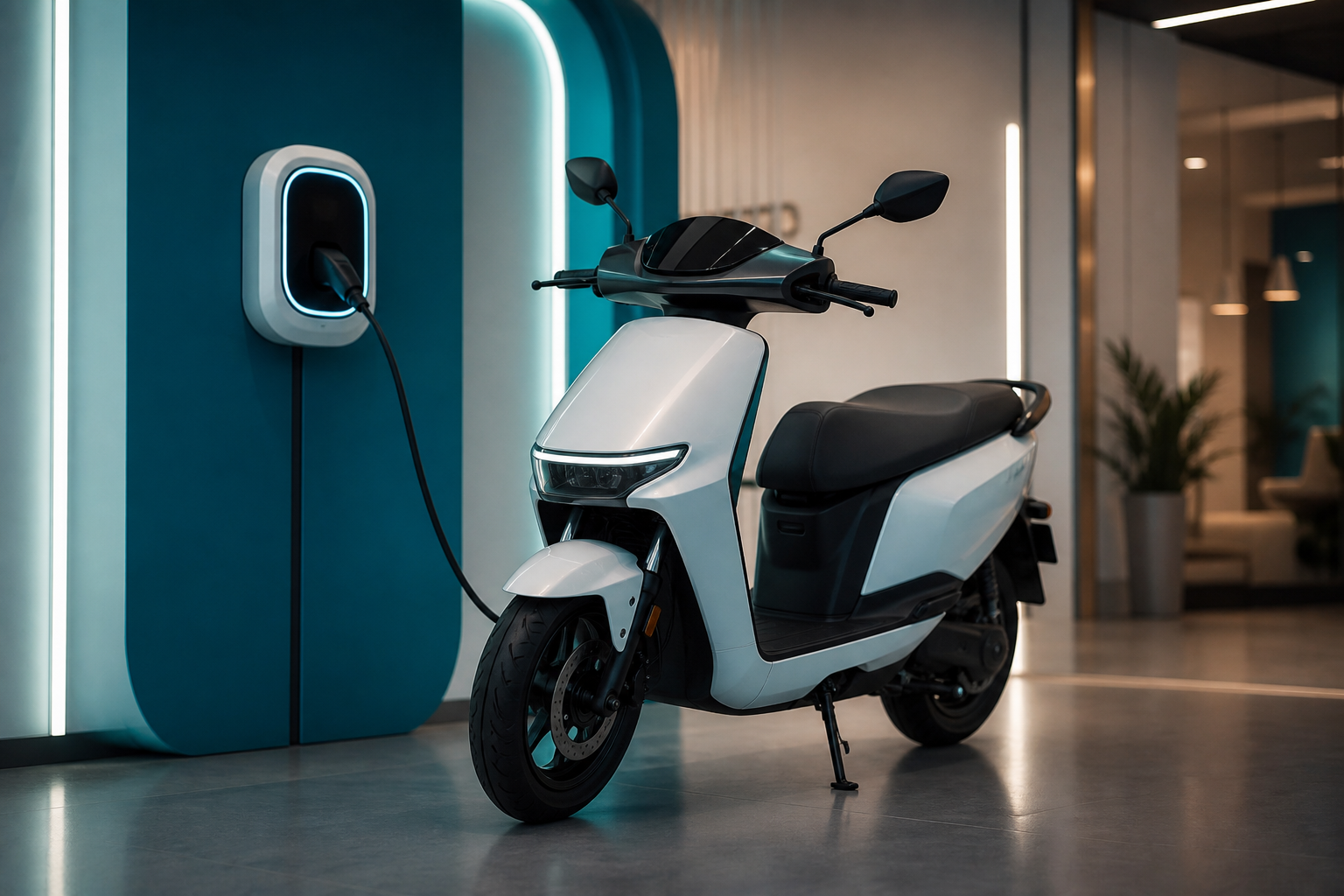
Situation. India’s two-wheeler market is huge, but early electric scooter adoption was not evenly spread. The first serious EV scooter buyers were more likely to be urban, digitally comfortable, willing to pay for technology, and ready to tolerate a newer ownership experience.
The move. Ather did not begin by trying to look like a mass commuter scooter for every Indian household. Its early targeting was concentrated around urban, tech-forward customers. The product emphasized performance, software-led features, connected experience and an EV ecosystem. This targeting was supported by experience-led retail, charging infrastructure, app-enabled ownership and a premium brand feel.
The evolution. As electric two-wheelers became more familiar, Ather broadened its approach with products aimed at more practical family usage, including the Rizta family scooter launched in 2024. This is a shift from pure concentrated targeting toward a more differentiated portfolio: one proposition can still speak to performance-oriented riders, while another addresses comfort, utility and household needs.
Outcome or lesson. The important learning is not “EV brands should target premium buyers.” The deeper lesson is that early targeting should match the adoption curve. A new category often needs concentrated targeting first, because the first buyers are not average buyers. Once awareness, infrastructure and trust improve, the brand can move toward differentiated targeting with segment-specific products.
How AI Changes Targeting Strategies
AI makes targeting more granular, faster and more testable - but it also makes poor strategy easier to scale. Three changes matter in 2026.
- Predictive segmentation: Brands can use machine learning to identify high-propensity customer clusters from browsing, purchase, location and engagement data. This improves targeting when privacy consent and data quality are strong.
- Dynamic creative and offer personalization: AI can generate and test different messages for different segments, helping differentiated targeting operate at lower creative cost. The strategic risk is over-personalization without a clear brand position.
- Lookalike and churn-risk targeting: Platforms and CRM models can find customers similar to high-value buyers or identify segments likely to lapse. This makes retention targeting as important as acquisition targeting.
Use Perplexity or NotebookLM to study a company before an interview: upload or search its annual report, investor presentation and product pages, then ask, “Which customer segments does this company appear to target, and what evidence supports mass, differentiated, concentrated or niche targeting?” Verify every claim before using it.
Interview Relevance
“Explain mass, differentiated, concentrated and niche targeting. If you were launching a new premium electric scooter in India, which targeting strategy would you choose and why?”
Always connect targeting to the 4Ps. If your target is premium urban riders, then product features, price, showroom experience, financing, charging support and communication must all fit that target.
Common Mistake
The biggest mistake is saying “our target is everyone who needs the product.” That sounds ambitious but shows no strategic choice. The one-line fix: define the segment by need, behavior and economics, then explain why the company can win that segment better than alternatives.
What to Revise Next
Once targeting is clear, move to the next two pieces of STP and brand strategy: Positioning & Perceptual Maps to show how the brand should be perceived, and Differentiation & Building a Defensible USP to explain why the chosen target should prefer you.