
Consumer Insight in the Age of Data & AI
A marketing team sees the same dashboard every morning: traffic is up, carts are full, conversion is flat. The answer is not hidden in one more chart - it sits in the uncomfortable gap between what consumers do, what they say, and why they hesitate.
- Consumer insight is a non-obvious human truth that explains behavior and suggests a profitable action.
- Data tells you what happened; insight explains why it matters and what the brand should do next.
- The best insight formula is: behavior + human tension + evidence + action implication.
- Use both quantitative data like transactions, clickstream and surveys, and qualitative data like interviews, reviews and ethnography.
- AI accelerates insight discovery through text mining, journey analysis, prediction and personalization - but human judgment is still needed for meaning.
- Validate an insight through experiments: conversion uplift, repeat purchase, retention, NPS, CLV:CAC and theme incidence.
- The biggest interview mistake is calling a data point an insight. Always add the consumer why and business action.
The big picture is simple: modern consumer insight is not “having data.” It is a ladder from raw signals to a decision that changes product, communication, pricing, channel or experience.
Core Explanation: What Consumer Insight Really Means
Consumer insight is a non-obvious human truth that explains behavior and suggests a profitable action. It is not the same as consumer data, market research or a persona.
A useful insight usually has four parts:
Here is the difference in one line: “Cart abandonment is 68%” is a data point; “Shoppers abandon because they cannot judge fit and fear return hassle, so we should add virtual try-on and easier returns” is an insight.
The Consumer Insight Equation
A strong answer in class or interview should sound like this:
Insight = observed behavior + human why + supporting evidence + business action.
Where Consumer Insights Come From
The strongest insights rarely come from one source. They come from triangulation - combining what consumers say, what they do, and what the business can measure.
A Five-Step Process to Generate Consumer Insight
Metrics That Prove an Insight Is Working
An insight is not “good” because it sounds clever. It is good when an action based on it changes consumer behavior in the desired direction.
Spotify Wrapped is built on a sharp consumer insight: people do not only listen to music privately; they use taste to express identity socially. The primary driver is personalized listening data converted into shareable self-expression, supported by clean design, social platform fit and annual anticipation. The strategic so what: data becomes growth only when it taps a human motive, not when it merely reports usage.
Definitions You Should Be Able to Say Clearly
Kotler & Armstrong: “Marketing research is the systematic design, collection, analysis, and reporting of data relevant to a specific marketing situation.”
Case Study: Lenskart Turned Fit Anxiety into Omnichannel Growth
Lenskart used the insight that eyewear buying is held back by confidence and fit anxiety, then reduced friction through virtual try-on, assisted stores and omnichannel service.
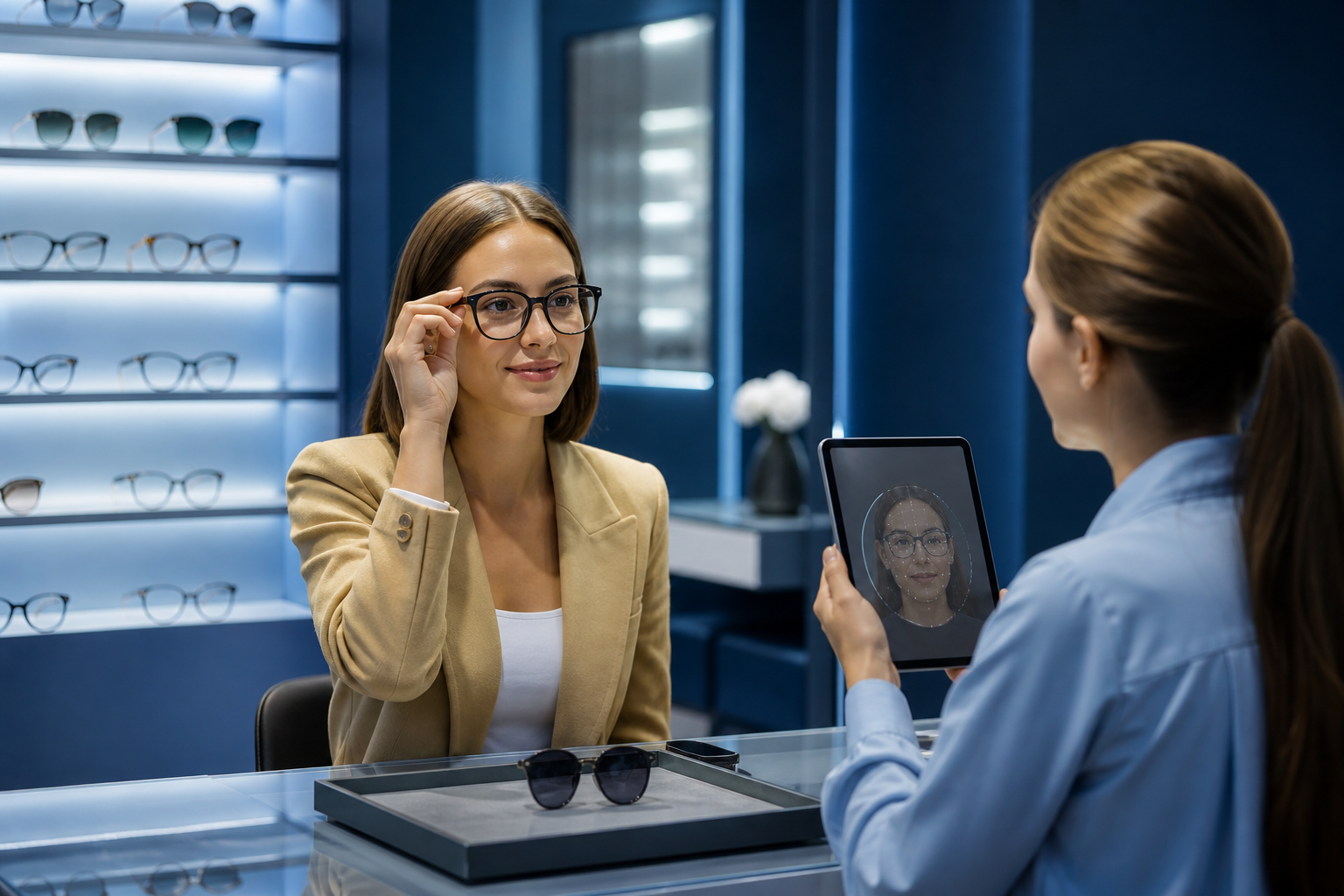
Situation: In India, eyewear purchase is not just a functional correction decision. For many consumers it is also a style, face-fit, budget and trust decision. Online buying adds one more worry: “Will this frame suit me, and what happens if it does not?”
The strategic move: Lenskart attacked that anxiety rather than merely pushing more catalogue choice. It built a consumer experience around confidence - virtual try-on, home and store-assisted eye tests, omnichannel availability, return support and a wide private-label range. The primary driver was friction reduction in the buying journey. Supporting drivers included affordable design variety, physical store expansion, supply-chain control and customer data loops from app, web and stores.
Outcome or lesson: Lenskart became one of India’s most visible omnichannel consumer brands in eyewear. The lesson is powerful: a brand grows faster when insight changes the system, not just the advertisement. Lenskart did not stop at saying “consumers want convenience”; it redesigned discovery, trial, purchase and service around the deeper need for confidence.
How AI Changes Consumer Insight in 2026
AI does not replace consumer insight. It changes the speed, scale and granularity with which teams discover patterns and test hypotheses.
Practical student workflow: Use NotebookLM to load a company annual report, recent earnings call transcript, app reviews and 10-15 news articles. Ask it to produce: “Top recurring consumer pain points, supporting evidence, possible insight statements, and interview questions a marketing panel may ask.” Then use ChatGPT or Claude to convert the best point into a structured insight: behavior, human why, evidence and action.
Interview Relevance
“Suppose you are launching a new D2C skincare brand for urban Indian consumers. How would you generate consumer insights before deciding the positioning and go-to-market?”
Use one concrete example in your answer. For example: “Like Lenskart reduced fit anxiety, a skincare brand may need to reduce ingredient confusion through dermatologist-led explainers, routine builders and trial packs.”
Common Mistake
The most common mistake is presenting a data point as an insight: “Users prefer discounts” or “Gen Z wants convenience.” This costs candidates because it shows no understanding of motivation, tension or business action. One-line fix: always complete the sentence - “Consumers do X because Y, so we should do Z.”
What to Revise Next
Next, move from framework to application: revise Case Study: How a Leading Brand Turned Insight into Growth. That is where you learn how a sharp consumer truth becomes positioning, product design, channel choice and measurable business impact.