
Cultural, Social & Personal Influences on Consumer Behavior
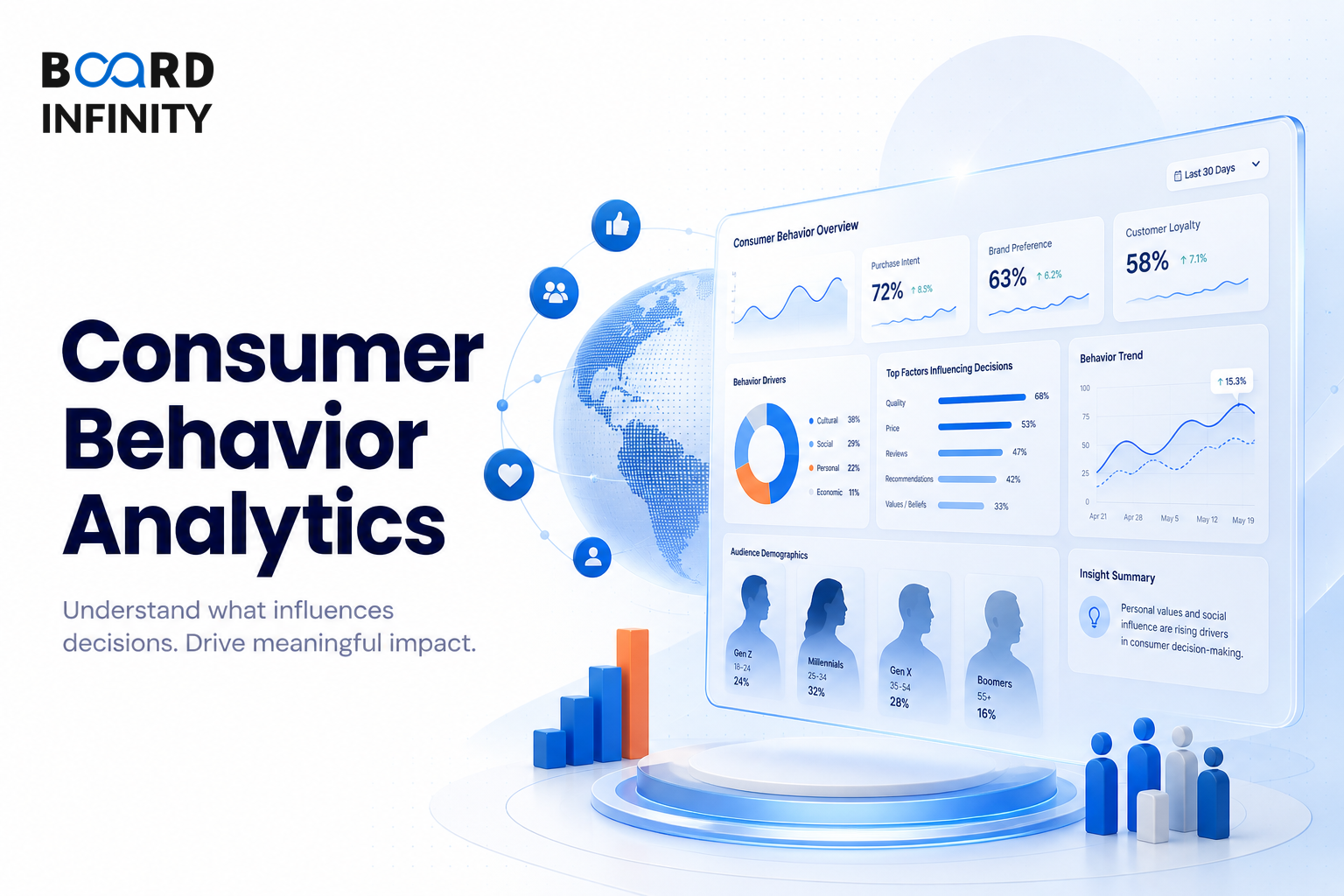
A consumer does not walk into a store as a blank spreadsheet of needs and prices. A Diwali gift buyer, a bride choosing jewellery with her family, and a Gen Z sneaker shopper are all carrying invisible scripts - what feels auspicious, what friends will approve, what fits their identity and budget.
- Consumer behavior is not only psychological - it is shaped by culture, social influence and personal context before a brand message is even noticed.
- Culture defines meanings: what is acceptable, aspirational, festive, premium, healthy or taboo.
- Social influences come from family, reference groups, roles, status and opinion leaders. They create approval, pressure and proof.
- Personal influences include age, life stage, occupation, income, lifestyle, personality and self-concept. They decide relevance and affordability.
- The strongest marketing answer is not “people liked the ad.” It is “the brand matched a cultural meaning, entered a social conversation and solved a personal life-stage need.”
- For interviews, diagnose the category first: high-involvement, public and identity-heavy categories need deeper cultural and social analysis.
Think of buying behavior as a set of filters. Culture decides what the product means, social groups decide what feels acceptable or desirable, and personal factors decide whether it fits this consumer now.
The Core Model: Three Lenses Before the Consumer Says Yes
The common misconception is that consumer behavior is simply “need plus price.” That works for a commodity-like explanation, but it fails for categories such as jewellery, fashion, food, beauty, automobiles, smartphones, insurance and education - where meaning, identity and trust matter.
Use three lenses.
1. Cultural Influences: What the Product Means
Culture is the shared system of values, beliefs, rituals, symbols and norms that tells people what is desirable or appropriate. It shapes wants more deeply than most consumers can consciously explain.
Culture includes:
- Core values - ideas such as family duty, status, thrift, purity, convenience, independence or tradition.
- Rituals - occasions like weddings, festivals, birthdays, housewarmings, fasting periods and exam seasons.
- Symbols - colours, packaging cues, ingredients, designs and language that signal meaning.
- Subcultures - regional, religious, linguistic, age-based or community groups with distinct preferences.
- Social class - relatively durable divisions based on income, education, occupation and lifestyle.
During Indian festivals, categories such as sweets, apparel, jewellery, appliances and gifting packs see demand not only because consumers “need” them, but because buying and gifting are part of the occasion. The primary driver is ritual meaning, supported by family participation, retailer offers and limited-period festive assortments. The so what: cultural timing can be as important as media timing.
2. Social Influences: Who Approves, Recommends or Judges
Social influence is the effect of other people on a consumer’s attitudes, evaluation and purchase behavior. It becomes stronger when the product is visible, expensive, risky or identity-signalling.
The main social influences are:
- Reference groups - groups consumers compare themselves with, such as friends, colleagues, creators, professional communities or aspirational peer sets.
- Family - often the most powerful buying unit in India, especially for homes, education, jewellery, insurance, automobiles and major appliances.
- Roles and status - people buy differently as students, managers, parents, hosts, founders or caregivers.
- Opinion leaders and influencers - people whose expertise, taste or perceived authenticity reduces uncertainty.
- Word of mouth - informal recommendation, especially powerful in high-risk and experience-led categories.
For example, a first-time car buyer may care about mileage and EMI personally, but the family may influence brand trust, safety perception and resale confidence. A shallow answer says “the buyer wanted a car.” A stronger answer says “the decision unit had multiple influencers with different evaluation criteria.”
3. Personal Influences: Why This Consumer, Now
Personal influences are individual characteristics that make the same marketing stimulus work differently for different people. Two consumers may see the same ad and reach opposite conclusions because their life stage, income, lifestyle and self-image differ.
How to Diagnose Which Influence Matters Most
Not every category needs the same depth of cultural, social and personal analysis. Use this matrix to decide where to focus your answer.
How to Measure These Influences
You cannot measure “culture” directly like sales, but you can track whether cultural fit, social proof and personal relevance are converting into behavior. Use controlled comparisons wherever possible.
Definitions You Can Say in One Breath
American Marketing Association: “The dynamic interaction of affect and cognition, behavior, and the environment by which human beings conduct the exchange aspects of their lives.”
- Culture: “Culture is the fundamental determinant of a person’s wants and behavior.” - Kotler and Keller
- Subculture: A distinct group within a larger culture, sharing specific values, rituals, language or identity markers.
- Reference group: Any person or group used as a comparison point for attitudes, values or behavior.
- Personal factors: Individual characteristics - age, life stage, income, occupation, lifestyle and personality - that shape purchase choices.
Case Study: Tanishq and the Indian Jewellery Buyer
Tanishq built a modern jewellery brand by combining cultural fluency around Indian occasions with trust, store experience and life-stage segmentation.
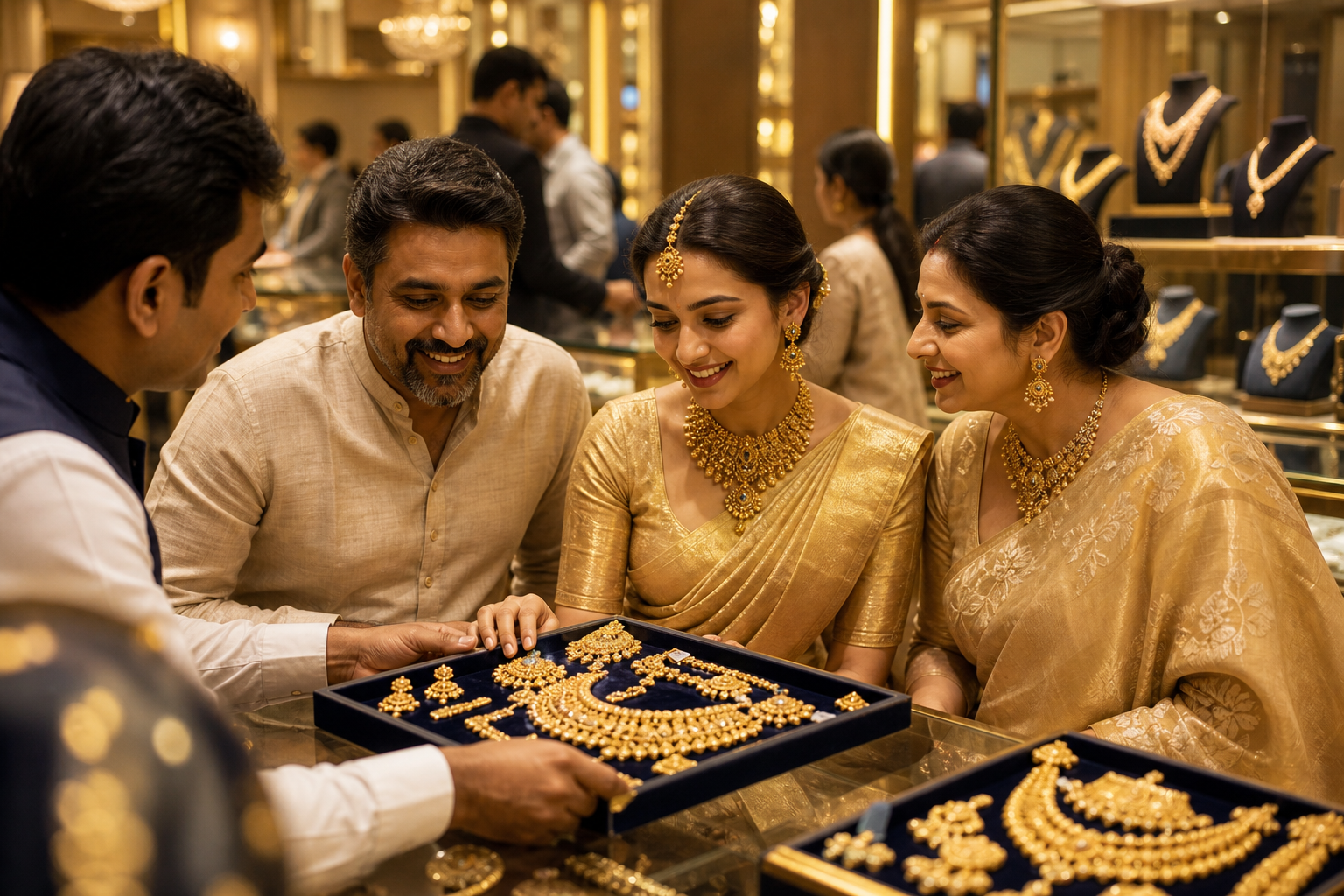
Situation: Jewellery in India is deeply cultural and social. It is tied to weddings, festivals, family approval, regional tastes, purity concerns and status signalling. A buyer is rarely just buying ornamentation - she may be buying trust, family legitimacy, tradition, self-expression and future value.
The move: Tanishq, part of Titan Company, positioned itself as an organized, trusted jewellery retailer while respecting the cultural importance of the category. Its primary driver was cultural fluency - understanding that jewellery changes meaning across weddings, festivals, everyday wear and women’s self-purchase. Supporting drivers included transparent store experience, trust-building around purity, regional design relevance, family-friendly retail environments and sub-brands such as Mia for working women.
The lesson: Tanishq did not win by treating jewellery as only a luxury accessory. It mapped the full consumer context - culture, social approval and personal identity - then designed the brand experience around that context.
The takeaway for interviews: in culturally loaded categories, the brand must solve for symbolism, social approval and personal relevance together.
How AI Changes Cultural, Social & Personal Influences on Consumer Behavior
AI does not remove culture or social influence. It helps marketers detect them faster, personalize around them more precisely and test messages before spending heavily.
- AI social listening finds emerging cultural signals. Brands can analyze reviews, creator content, comments and search patterns to spot new rituals, slang, anxieties or aspiration codes. The caveat: social data over-represents vocal digital consumers, so it must be validated with field research.
- AI enables micro-segmentation by life stage and context. Instead of broad labels like “urban millennials,” brands can model clusters such as first-job premium upgraders, new parents, festival gifters or health-conscious commuters. The risk is over-personalization that feels intrusive, especially under India’s DPDP privacy expectations.
- Generative AI can test cultural messaging variants. Marketers can draft region-specific packaging cues, ad scripts or product descriptions and then test them with real consumers. AI is a starting point, not a substitute for cultural sensitivity.
Use NotebookLM: upload this lesson, a company annual report and 3-4 recent brand campaigns. Ask: “Identify cultural, social and personal consumer influences behind this brand’s strategy, and generate 10 interview questions with model answers.” Then verify every factual claim from the original documents.
Interview Relevance
“Pick any consumer brand and explain how cultural, social and personal factors influence its consumer behavior. How should the marketer use this insight?”
Use one concrete brand and one concrete occasion. “Tanishq during weddings” or “a food delivery app during late-night exam season” sounds sharper than a generic answer about “Indian consumers.”
The mistake: candidates list culture, social class, family and lifestyle like theory points, but never connect them to an actual purchase decision. Why it costs them: the answer sounds memorized and not managerial. Fix: always say “therefore the marketer should…” after each influence.
What to Revise Next
Now move from “what influences consumers” to “how consumers actually choose.” Revise Behavioral Economics for Marketers: Biases, Nudges & Choice Architecture to understand shortcuts like loss aversion and social proof, then revise B2C vs B2B Buying Behavior - Key Differences That Matter to contrast individual consumption with organizational buying.