
Green Logistics: Modal Shift, Electrification & Load Efficiency
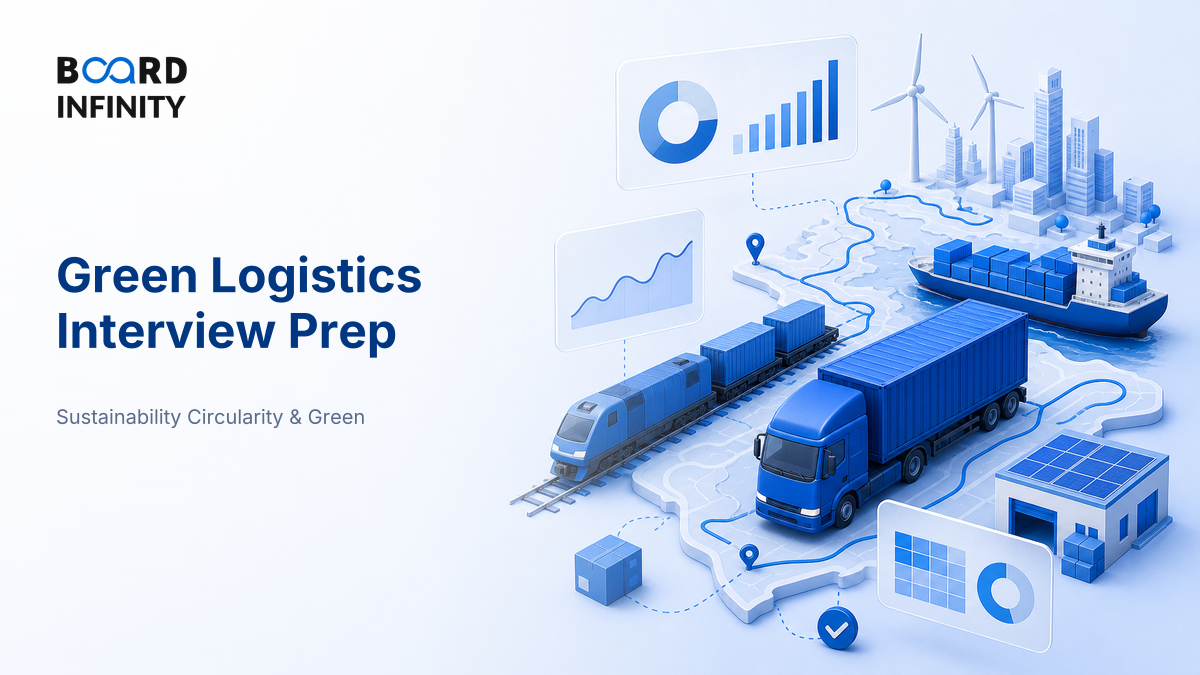
Mahindra Logistics’ electric last-mile service, EDel, looks simple from the outside: swap a diesel delivery vehicle for an EV. The harder truth is more interesting - the EV only becomes a green logistics win when route density, charging time, customer delivery windows and vehicle utilisation all work together.
- Green logistics means reducing the environmental impact of transport, warehousing and returns while protecting cost and service.
- The core mental model is Avoid - Shift - Improve - Fill - Measure: reduce unnecessary movement, shift to cleaner modes, improve assets, raise load efficiency, and track emissions.
- Modal shift moves freight from higher-emission modes like air or long-haul road to lower-emission modes like rail, coastal shipping or inland waterways where service allows.
- Electrification works best in predictable, high-utilisation routes with depot charging, dense drops and clear vehicle duty cycles.
- Load efficiency is often the cheapest lever: better consolidation, packaging, routing and backhauls reduce emissions and cost together.
- The interview trap: saying “green logistics = EVs.” A strong answer balances carbon, cost, service and feasibility.
Big Picture: Green Logistics Is a System, Not a Vehicle Choice
The cleanest truck is not always the best first move. If demand planning creates emergency shipments, if trucks leave half-empty, or if long-haul road replaces a rail-friendly lane, electrification fixes only one visible symptom. Think of green logistics as a sequence of decisions from “should this movement exist?” to “how do we measure the carbon we actually removed?”
Core Explanation: The Three Levers You Must Be Able to Apply
For interviews, organise green logistics into three operating levers: modal shift, electrification and load efficiency. Each lever reduces emissions differently, and each has a different constraint.
1. Modal Shift - Change the Transport Mode
Modal shift means moving freight to a lower-emission mode where lead time, reliability and handling risk permit it. Typical shifts include air to road, road to rail, road to coastal shipping, or fragmented direct road moves to consolidated multi-modal moves.
The trade-off is simple: cleaner modes often need better planning. Rail and water can be efficient for long, predictable, high-volume lanes, but they may add terminal handling, schedule dependency and first-mile/last-mile coordination.
2. Electrification - Change the Energy Source
Electrification means replacing internal-combustion logistics assets with electric assets - delivery vans, two-wheelers, three-wheelers, forklifts, yard tractors or even refrigerated units. It is most attractive when vehicles return to base, routes are predictable, charging can be planned, and daily distance fits battery range.
Electrification is not automatically the first answer for every lane. A low-utilisation EV on a poorly planned route may perform worse economically than a highly utilised vehicle in a better-designed network. The winning condition is high asset utilisation plus reliable charging plus suitable duty cycle.
3. Load Efficiency - Move More Useful Payload per Trip
Load efficiency improves how much useful freight is moved per vehicle, kilometre, pallet, container or rupee. It includes route optimisation, order consolidation, pallet redesign, packaging cube reduction, backhaul matching, cross-docking and improved inventory policy.
This is the most interview-friendly lever because it usually cuts both emissions and cost. If a company ships half-empty trucks because replenishment batches are wrong, the fix may begin in inventory planning rather than transport. For that foundation, revise setting inventory policy for a multi-product business.
How the Levers Work Together
A strong green logistics answer never treats these levers as isolated. Imagine a consumer goods company serving Delhi-NCR from a western India plant. It may move predictable bulk volume by rail to a regional hub, use electric vehicles for dense urban delivery, and improve truck fill through consolidated replenishment windows. The primary driver is network redesign; supporting drivers are demand planning, packaging, charging infrastructure, carrier contracts and SLA discipline.
In Indian metro delivery, electrification is strongest on short, repeated, high-density routes because vehicles can return to a depot or charging point. The strategic lesson: EV adoption works best when paired with route density, hub placement and load planning - not as a standalone sustainability slogan.
Key Metrics to Track in Green Logistics
Green logistics must be measured like an operations problem. The best candidates track emissions, utilisation, cost and service together, because a carbon reduction that destroys OTIF or explodes cost will not survive implementation.
Definitions You Can Say in One Breath
- Green logistics: Managing logistics activities to reduce environmental impact while maintaining required cost, speed and service levels.
- Modal shift: Moving freight from a higher-emission mode to a lower-emission mode where service and feasibility permit.
- Electrification: Replacing fuel-powered logistics assets with electric assets, ideally supported by cleaner electricity and suitable charging infrastructure.
- Load efficiency: Increasing useful payload moved per trip, kilometre, vehicle, pallet or container.
- Scope 3 logistics emissions: Many transportation and distribution emissions fall under value-chain reporting categories in the GHG Protocol Scope 3 Standard.
Mahindra Logistics: Green Logistics as an Operating Design Problem
Mahindra Logistics shows why green logistics is not just an EV purchase - it is a route, customer, asset and utilisation design challenge.
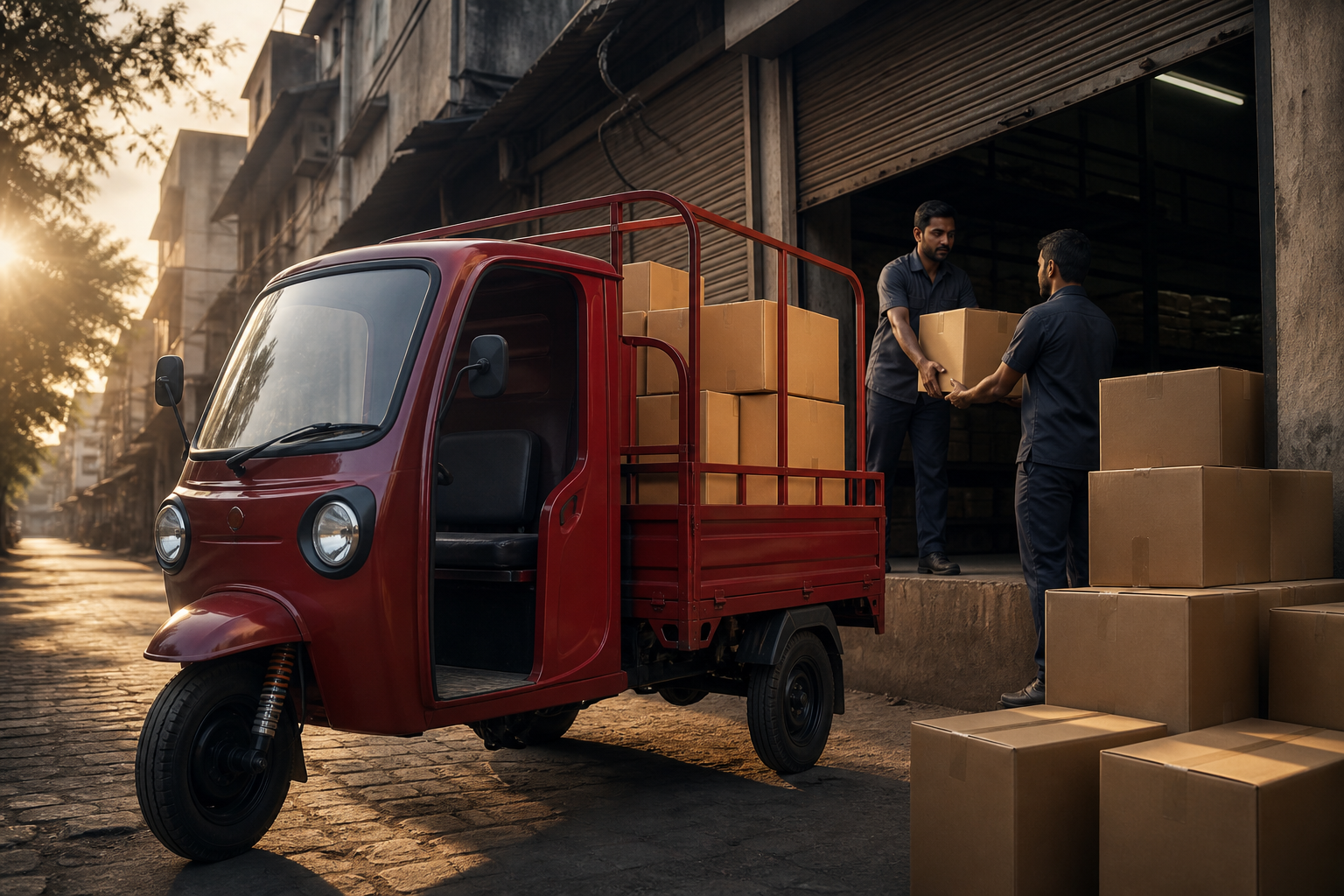
Situation. Indian logistics providers face pressure from large customers to reduce transport emissions while still meeting tight delivery windows, especially in e-commerce, consumer goods and urban distribution. At the same time, Indian cities make last-mile delivery operationally difficult: congestion, parking limits, fragmented drops, heat, and variable charging access.
The move. Mahindra Logistics has positioned EDel as an electric last-mile delivery offering, and its investor disclosures discuss sustainability initiatives across logistics operations through its public reporting pages (Mahindra Logistics annual reports). The important management idea is not merely “buy EVs.” The operating model needs anchor customers, dense routes, depot or hub charging, vehicle uptime planning, trained drivers and dispatch systems that keep the EVs productive.
Why it matters. The primary driver is electrification of suitable urban delivery routes. The supporting drivers are route density, charging discipline, customer demand aggregation, load planning and performance tracking. That combination is what turns a green pilot into a scalable logistics product.
Lesson for interviews: the best green logistics stories are multi-driver stories. The visible EV is only the front end; the real advantage comes from network design, operating discipline and utilisation.
How AI Changes Green Logistics
AI is making green logistics more practical because the problem is data-heavy: demand, routes, capacity, charging, traffic, emissions factors and service promises must be balanced together.
- AI route optimisation: Machine learning can cluster deliveries, reduce empty kilometres, sequence drops and account for traffic or charging constraints. This directly improves load efficiency and EV productivity.
- Predictive demand and shipment consolidation: Better demand forecasting reduces emergency freight and improves truck/container fill. If this lever interests you, revise using AI for inventory optimisation and replenishment.
- Carbon-aware transport planning: Transport management systems can compare mode, cost, lead time and estimated CO2e before a shipment is released, helping managers choose rail, road, EV or expedited transport consciously.
Use ChatGPT or Claude to practise: paste a company description, a simple lane table and customer SLA, then ask, “Recommend green logistics levers using Avoid - Shift - Improve - Fill - Measure, and show trade-offs in cost, carbon and service.” Then challenge the answer by asking, “What assumption would make this recommendation fail?”
Interview Relevance
“A consumer goods company wants to reduce logistics emissions in India without increasing stockouts. What would you recommend?”
Use the phrase “lane-level economics”. It signals that you understand green logistics is not solved at a company-average level; it is solved lane by lane, mode by mode, SLA by SLA.
Common Mistake
Mistake: Equating green logistics with electric vehicles only. Why it costs candidates: it ignores modal shift, shipment consolidation, load factor, empty running, service risk and cost-to-serve. One-line fix: always answer with “Avoid - Shift - Improve - Fill - Measure,” then choose the lever that fits the lane.