Programming

Explore the exciting world of programming with our diverse course offerings. Delve into the complexities of Java, C++, JavaScript, and C programming, while gaining expertise in data structures and algorithms. Our carefully designed curriculum fosters a comprehensive understanding of these languages and techniques, preparing you for the continuously evolving landscape of technology.
No Lessons
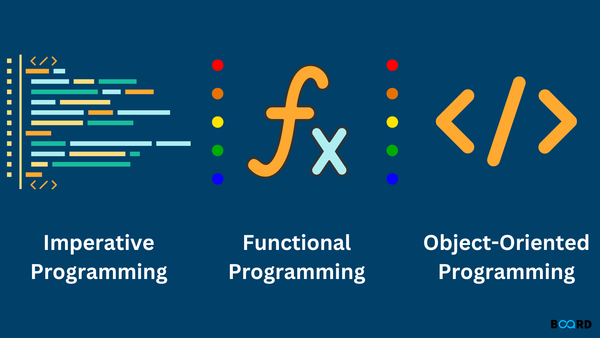
Programming Paradigm: What is it?

Introduction A programming paradigm is a method, a strategy, or a technique of writing programmes in a particular progr
No Lessons

Open files in Python: How?

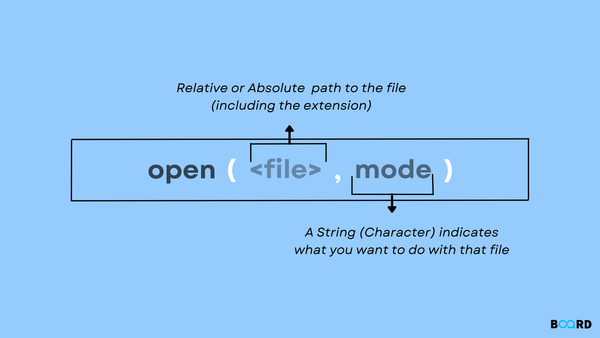
Introduction Python's standard library includes file handling functions. This is extremely helpful for developers b
No Lessons

Fibonacci Series in Python

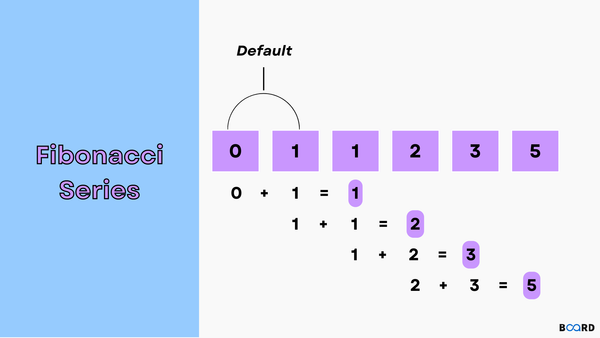
Introduction The Fibonacci sequence is a well-known integer number series. The sequence appears in many problems natura
No Lessons

Copy in Python

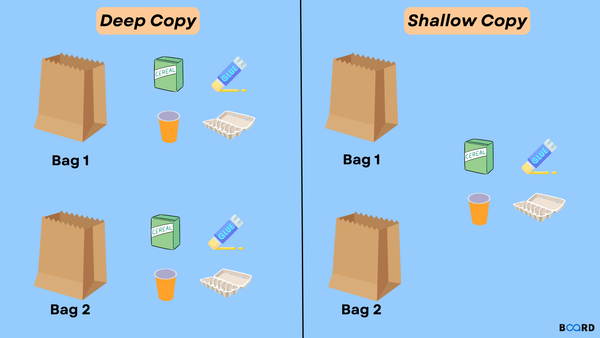
Introduction In Python, the assignment operator does not create a copy of the object to the target, it creates a bindin
No Lessons

Web Scrapping with Python

Introduction Web scratching is the most common way of gathering and parsing crude information from the Internet, and th
29 Lessons
No Lessons

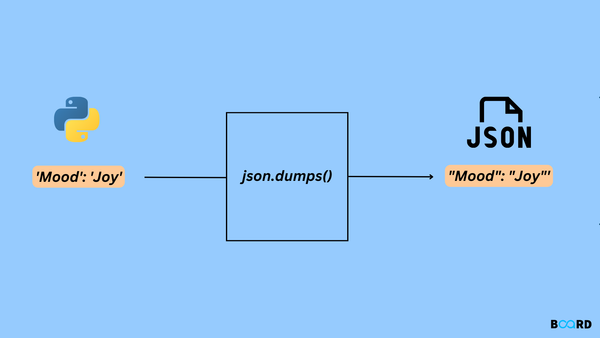
json.dumps in Python

Introduction JSON is an acronym that represents JavaScript Object Notation. It is a language format that is primarily u
No Lessons

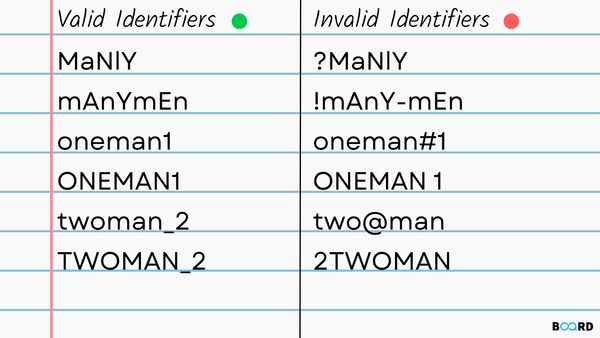
Identifiers and Keywords in Python

Introduction The Python keywords act as the building blocks of a python program. These words have a specific meaning an
No Lessons

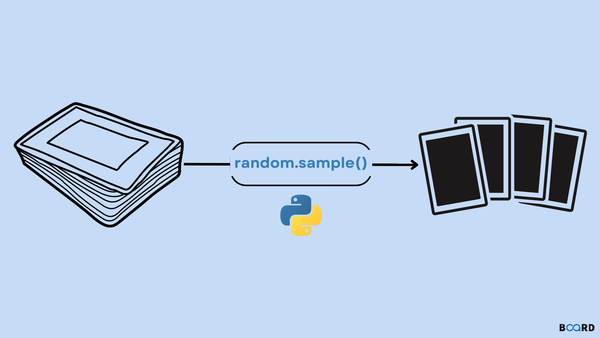
Python Random Sample from List: Without Replacement, With Replacement & NumPy

Picking random elements from a list is one of those tasks that sounds trivial until you need to do it correctly. Should
No Lessons

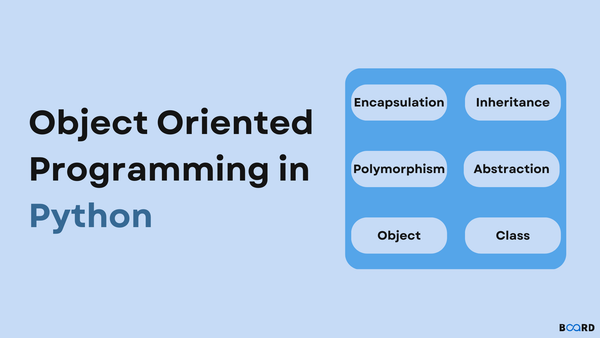
OOPs (Object Oriented Programming) in Python

Introduction Objects and classes are used in the object-oriented programming (OOPs) paradigm of the Python programming
No Lessons

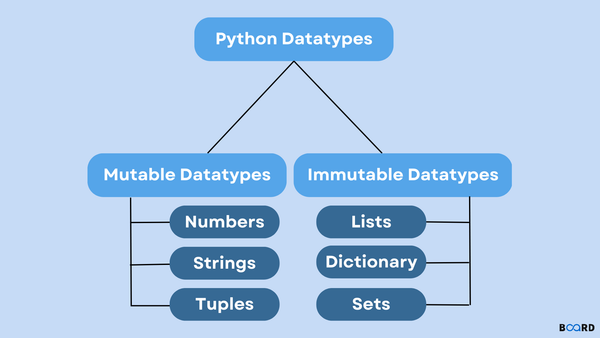
Mutable and Immutable in Python

Introduction In Python, every variable stores an instance of an object. in python there are two types of objects: * M