
Influencer & Creator Marketing in 2026: Interview-Ready Framework, Metrics and Indian Case
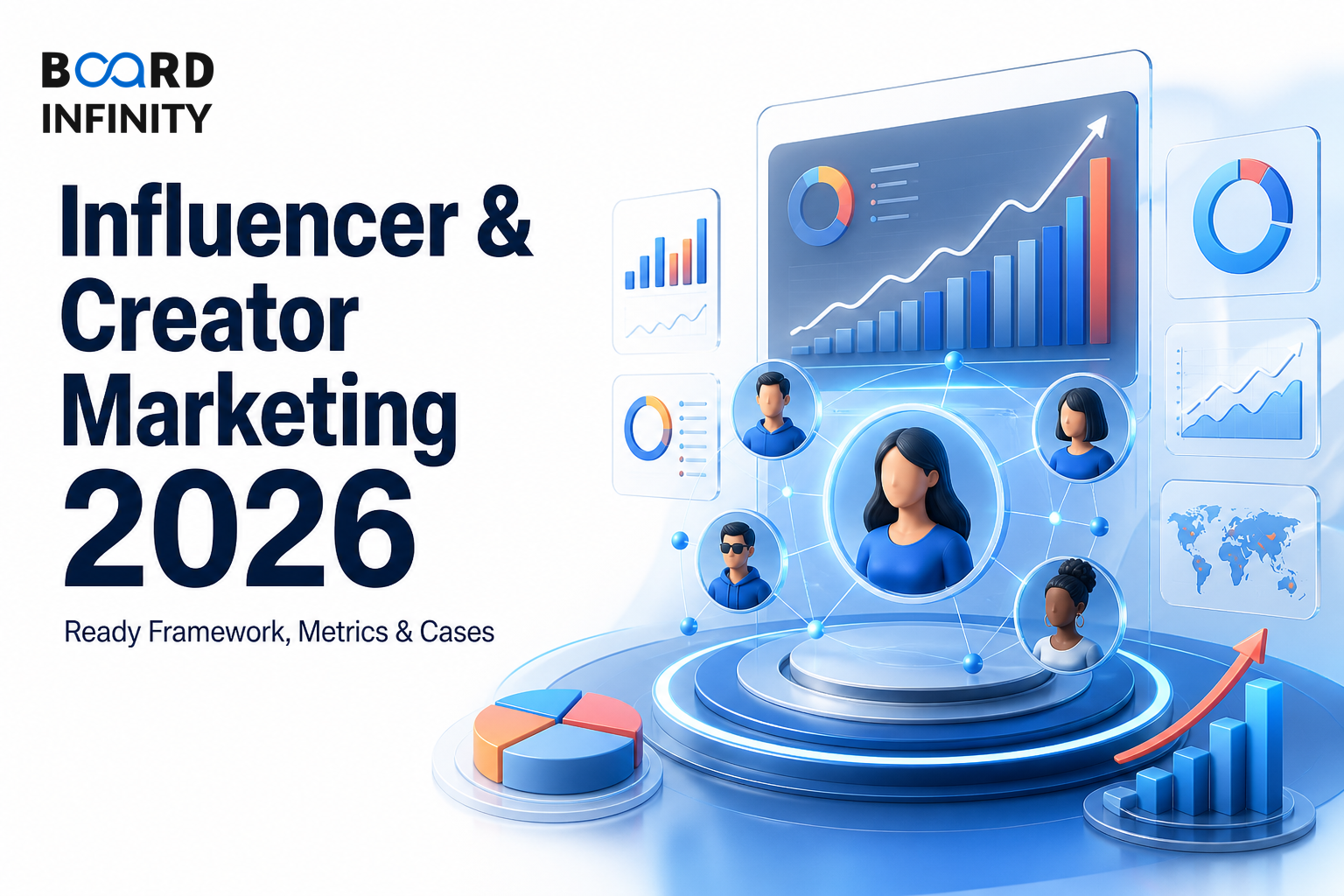
The biggest misconception about influencer marketing is that brands are simply buying followers. In 2026, the smart brands are buying something harder to copy - trusted context, creator-native storytelling, and content that can travel across paid, owned and earned media.
- Influencer marketing uses a person's audience trust to shape awareness, consideration or purchase.
- Creator marketing goes beyond reach - creators help make content, build community, educate buyers and sometimes drive commerce.
- The 2026 shift is from one-off sponsored posts to an always-on creator operating system: fit, brief, content, amplification, measurement and learning.
- Choose creators by audience match, credibility, content quality, brand safety, engagement quality and commercial fit - not follower count alone.
- Measure the full funnel: engagement rate, completion rate, CTR, conversion rate, creator CAC and incremental ROAS.
- In India, ASCI disclosure norms matter - paid influencer content should be clearly disclosed, not disguised as organic opinion.
- The common trap is treating creator marketing as media buying only; the fix is to explain it as trust plus content plus distribution plus measurement.
Big Picture: Creator Marketing Is a Trust-Led Growth System
A creator campaign works when the brand borrows the creator's context, not just the creator's reach. The best answer in a marketing interview should show how a brand moves from business objective to creator fit, content, amplification and measurable learning.
Core Explanation: Influencer vs Creator Marketing
Influencer marketing is the use of people with audience influence to affect brand awareness, attitudes or purchase behaviour. Creator marketing is broader: the brand collaborates with creators for content, community, education, commerce and cultural relevance.
The difference matters because a celebrity can give reach, but a credible creator can give explanation, relatability and repeated engagement. In 2026, the strongest brands treat creators as media channels, creative partners and trust brokers at the same time.
The 2026 Creator Marketing Loop
The best creator programs work like a loop. A brand identifies a real consumer tension, lets creators translate it into native content, learns from audience behaviour, and feeds that insight back into the next brief.
How to Choose the Right Creator
Do not start with follower count. Start with the job the creator must do. A launch needs reach; a complex category needs educators; a trust-deficit category needs credible specialists; a youth brand may need culture carriers.
The Creator Funnel: What to Measure at Each Stage
Creator marketing fails when teams measure only likes. A full-funnel view links creator content to awareness, attention, traffic, conversion and profitable growth. Benchmarks vary by category, platform and creative format, so the strongest benchmark is always your own historical baseline plus paid-social comparison.
For interview answers, add one caveat: last-click attribution undercounts creators because they often build trust before the final search or marketplace purchase. Better measurement combines creator-specific links, coupon codes, platform analytics, brand lift studies, holdout tests and post-purchase surveys.
Definitions You Can Say in One Breath
- Influencer marketing: Partnering with trusted personalities to shape audience awareness, attitudes or purchase behaviour.
- Creator marketing: Using creator-made content, community and distribution to grow a brand across the funnel.
- UGC creator: A creator paid to make authentic-looking brand content, often for brand-owned ads, not necessarily for posting.
- Creator whitelisting: Running paid ads through a creator's handle or identity with permission and agreed usage rights.
- Affiliate creator: A creator compensated partly or fully for measurable sales, leads or conversions.
How to Build a Creator Campaign
boAt has used a mix of youth culture, celebrities, social-first content and creator amplification to make audio accessories feel fashionable and accessible in India. The primary driver is sharp positioning around affordable lifestyle tech, supported by digital distribution, frequent product drops and creator-friendly content formats. The strategic lesson: creator marketing works best when it amplifies a clear brand world, not when it tries to compensate for a vague one.
Case Study: The Whole Truth and Trust-First Creator Marketing
The Whole Truth built its packaged-food brand around ingredient transparency, then used founder-led and creator-led education to convert mistrust into brand trust.
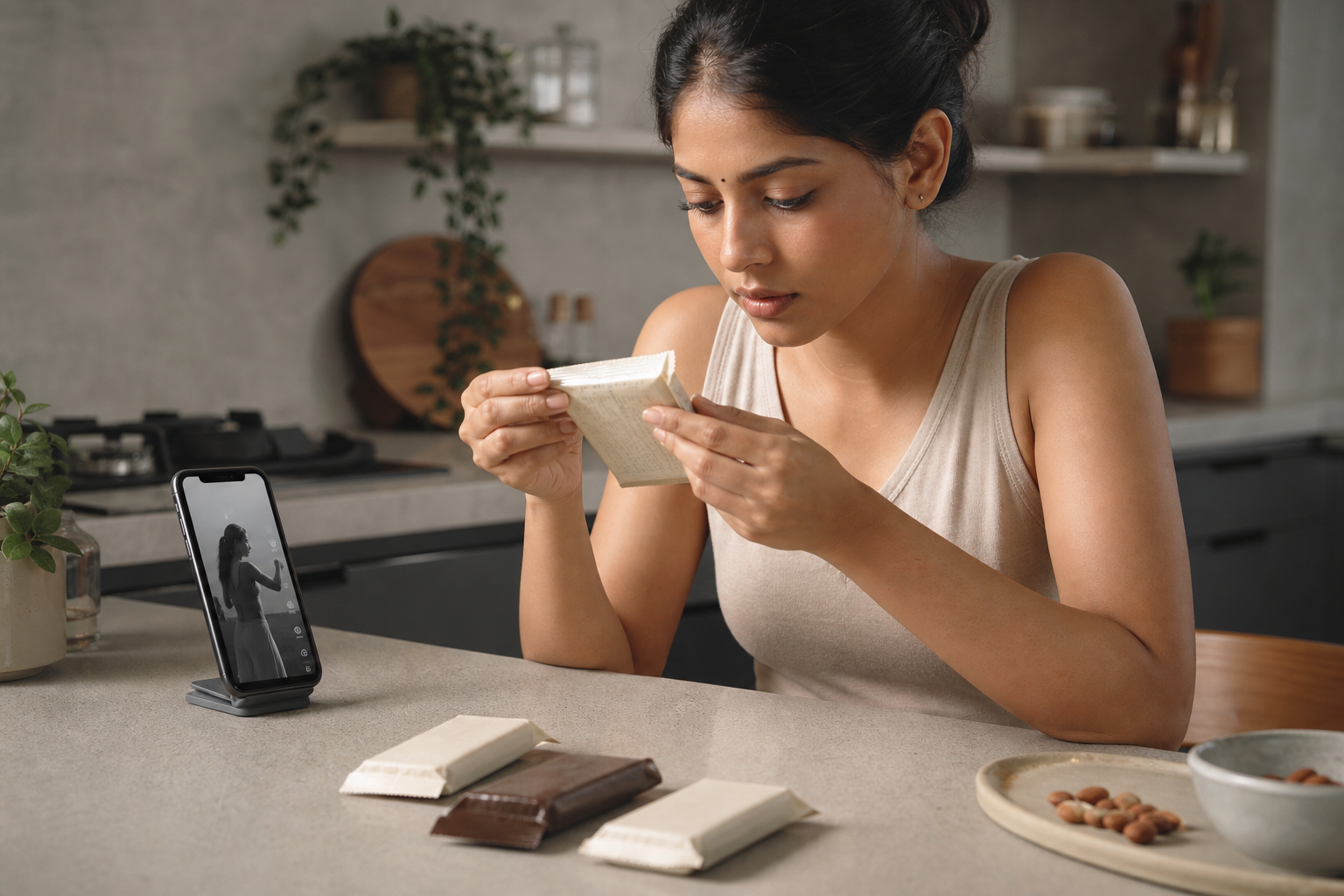
Situation: Packaged food in India carries a trust problem. Consumers often see health claims, protein claims or "clean" labels but are unsure what is actually inside. For a premium food brand, the challenge is not only awareness - it is belief.
The move: The Whole Truth chose a trust-first content strategy. Instead of relying only on celebrity endorsement, the brand made ingredient transparency central to its communication. Its founder became a visible educator, and the brand's creator ecosystem leaned into label reading, food myths, fitness nutrition and everyday consumption choices.
Why it worked: The primary driver was a sharp brand truth - radical ingredient transparency. Supporting drivers included founder credibility, simple educational content, creator formats that fit the category, direct-to-consumer discovery, and a community that already cared about health, fitness and labels.
Outcome or lesson: The memorable lesson is not that every brand needs a founder on camera. It is that creator marketing becomes powerful when creator credibility and product truth reinforce each other.
How AI Changes Influencer & Creator Marketing in 2026
AI does not remove creators from the system. It changes how brands find them, brief them, scale their content and measure performance.
- Creator discovery becomes more evidence-led: AI tools can cluster creators by audience themes, comment sentiment, content style and brand safety signals instead of only follower size.
- Briefing becomes faster but needs sharper judgment: GenAI can create hook variations, scripts, product explainers and platform-specific edits, but the final idea must still sound native to the creator.
- Measurement becomes more granular: AI can help detect which hooks, thumbnails, claims, creator archetypes and comments correlate with saves, clicks and conversions.
Use ChatGPT or Claude to build a creator fit scorecard for any brand you are preparing for. Prompt it with the brand's target segment, category, price point and campaign objective, then ask for creator archetypes, selection criteria, possible risks and full-funnel KPIs. Validate the final answer yourself, especially for claims, regulations and numbers.
One caution for 2026: AI-generated creator content and virtual influencers raise disclosure and authenticity risks. In India, marketers must also be careful with ASCI disclosure expectations and data privacy when using audience or customer data for targeting.
Interview Relevance
"A D2C skincare brand wants to launch a new sunscreen in India. How would you design an influencer and creator marketing campaign for it?"
Use the phrase "creator-content-market fit." It signals that you understand the campaign must fit the creator's audience, the brand's category and the platform's native behaviour.
Common Mistake
The mistake that costs candidates is saying, "We will hire influencers with many followers." It sounds shallow because it ignores credibility, content fit, funnel role, compliance and ROI. The one-line fix: choose creators by the job they must do, then measure them across the funnel.
What to Revise Next
Revise the creative side next. Creator marketing tells you who carries the message; the next topics show how brands make the message timely, funny and scalable.