
Moment Marketing, Memes & Topical Creative in India - Interview-Ready Framework
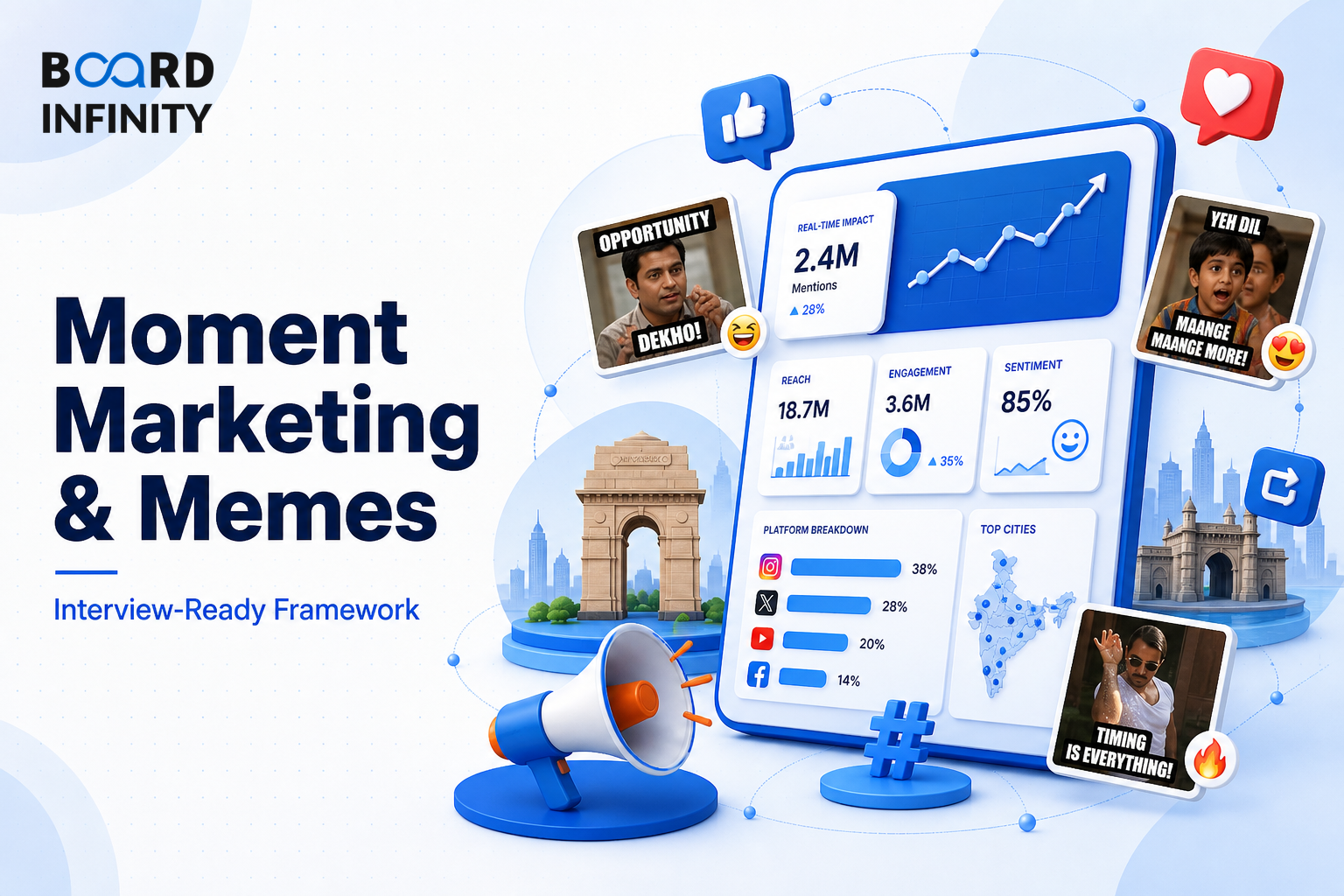
A cricket upset happens at 10:47 pm, a celebrity look becomes a meme by midnight, and by breakfast dozens of brands are trying to sound clever. One post earns shares because it belongs to the moment; another gets mocked because it feels like a brand gatecrashing a joke it does not understand.
- Moment marketing is using a live cultural, social, sporting or news moment to create brand-relevant communication quickly.
- The winning formula is not speed alone: speed + cultural fit + brand fit + safety + business action.
- Memes work because they use shared cultural codes; brands fail when they copy the format without understanding the community.
- In India, topical creative often rides cricket, cinema, festivals, weather, politics-adjacent culture, regional language and platform humour.
- The best examples use stable brand assets - mascot, tone, product truth, colour, packaging cue - so the brand is remembered, not just the joke.
- Measure topical creative against baseline: engagement rate, share rate, sentiment, response time, CTR and incremental lift.
- The biggest risk is looking opportunistic during sensitive moments; use a relevance-safety-action filter before publishing.
Big Picture - The Moment Marketing Engine
Moment marketing is a real-time operating system for creativity. A brand listens to culture, decides whether it has the right to participate, creates a platform-native response, clears risk fast, publishes while the moment is alive, and learns what travelled.
Core Explanation - What Makes a Moment Worth Marketing?
The big idea: a brand should join a moment only when the audience can instantly answer, “Yes, this brand belongs here.” The creative may be a meme, tweet, reel, push notification, print ad or outdoor copy, but the strategic test is the same.
Moment marketing means creating timely brand communication around a live or culturally current event. Topical creative is the broader craft of connecting advertising to current affairs, festivals, sport, entertainment or public conversation. Meme marketing uses internet-native formats, jokes and templates that people already understand and remix.
Think of moment marketing as a ladder. The bottom level chases attention. The top level converts cultural relevance into brand memory or action.
The Five Filters Before You Publish
Use these five filters before approving any meme or topical post. They prevent the classic “brand trying too hard” failure.
Amul’s long-running topical ads work because the brand does not change costume for every trend. The mascot, pun-led tone, butter/category cue and topical timing stay consistent across cricket, cinema, politics-adjacent public culture and festivals. So what: the primary driver is distinctive brand memory, supported by fast cultural response, a repeatable visual template and India-specific humour.
Speed vs Brand Fit - The 2x2 You Should Use
In interviews, do not say “moment marketing means posting quickly.” Speed is only useful when the brand fit is high. This 2x2 gives you a simple way to evaluate any campaign.
How to Measure Moment Marketing
Topical creative should be measured against the brand’s own baseline, because categories differ sharply. A bank, a food-delivery app and a youth fashion brand will not have the same normal engagement level.
Definitions You Can Say in One Breath
- Moment marketing: Timely brand communication built around a live cultural, social or news moment to earn relevance.
- Topical creative: Advertising that connects the brand message to current events, public conversations or seasonal cultural occasions.
- Meme marketing: Brand communication using remixable internet formats, jokes or symbols that a community already recognises.
- Brand safety: Controls that prevent advertising from appearing insensitive, misleading, illegal or damaging to brand trust.
Case Study - Netflix India: Making Memes a Distribution Layer
Netflix India shows how meme-led topical creative can extend the life of entertainment content beyond launch week.
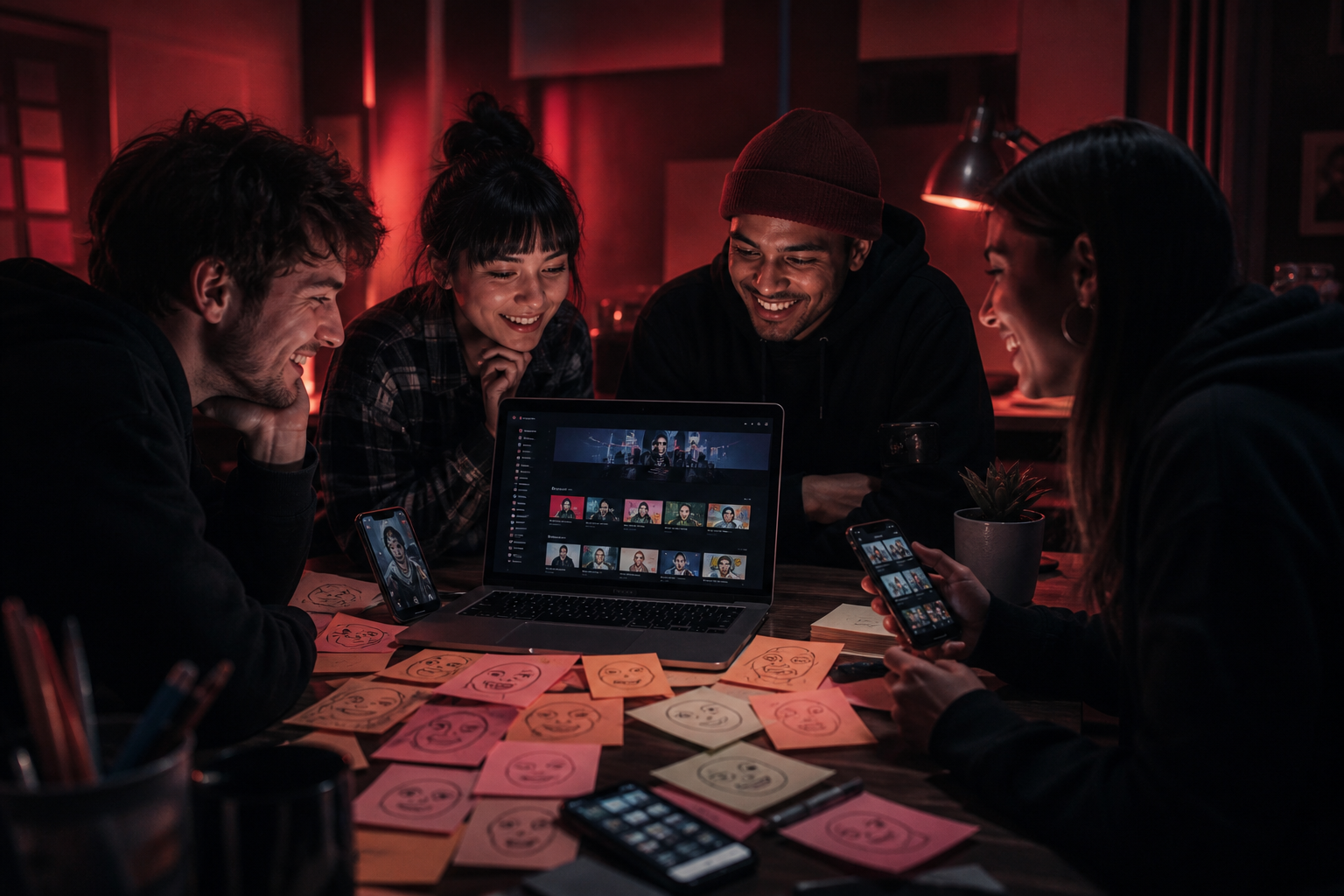
Situation: Streaming platforms compete in India’s crowded attention economy, where a new series, film, cricket match, creator reel or celebrity moment can dominate conversation for a few hours. For Netflix India, the challenge is not only launching titles; it is keeping characters, scenes and dialogues alive inside everyday social chatter.
The move: Netflix India’s social communication often turns its own content into meme material: character reactions, relatable viewing behaviour, cross-title references and code-mixed captions suited to Indian internet culture. The primary driver is access to recognisable entertainment IP that can become a reusable reaction bank. Supporting drivers include platform-native execution, fast trend response, Hindi-English cultural fluency, and the ability to link a current meme back to a show or film without hard-selling it.
The outcome or lesson: The strategic lesson is that memes can act as a distribution layer. They make content feel socially usable, not just watchable. A viewer may not share a trailer, but they may share a reaction meme that quietly carries the title, character or platform association forward.
The shallow answer is “Netflix is funny on social.” The better answer is “Netflix converts owned content into culturally shareable units, supported by speed, platform grammar and Indian audience fluency.”
How AI Changes Moment Marketing, Memes & Topical Creative in India
1. AI makes cultural listening faster. Social listening teams can use AI to cluster emerging conversations by theme, sentiment, region and creator community. For India, this matters because the same moment may behave differently in Hindi, Tamil, Bengali, Hinglish or city-specific slang.
2. AI expands creative variation. Generative AI can draft multiple captions, meme routes, thumbnail options and regional-language adaptations quickly. The human role becomes sharper: choose the version with cultural truth, brand fit and safety.
3. AI raises brand-safety pressure. Faster creation also means faster mistakes. Brands need checks for misinformation, copyrighted visuals, deepfake misuse, offensive stereotypes, undisclosed influencer relationships and ASCI compliance where paid creators or meme pages are involved.
Use Perplexity to map the last 48 hours of brand-relevant cultural moments, then use ChatGPT to generate 10 topical routes and reject each one through the five filters: cultural relevance, brand permission, audience fluency, safety and action.
Interview Relevance
“A quick-commerce brand wants to use moment marketing during the IPL. How would you decide what to post, and how would you measure success?”
In your answer, always separate creative idea from approval system. Interviewers like candidates who realise real-time marketing needs legal, brand and social teams aligned before the moment arrives.
Common Mistake
The biggest mistake is treating moment marketing as “post a funny meme quickly.” That costs candidates because it ignores brand permission, audience context and reputational risk. One-line fix: say, “I will only join a moment if it passes relevance, safety and business-action checks.”
What to Revise Next
Next, move from topical speed to creative scale and campaign depth. Revise Generative AI in Advertising: Creative at Scale to understand how brands produce variants safely, then study Storytelling & the Anatomy of a Great Campaign to see how memorable ideas outlive the moment.