
Careers in Agriculture & Food: Roles, Employers & Pay
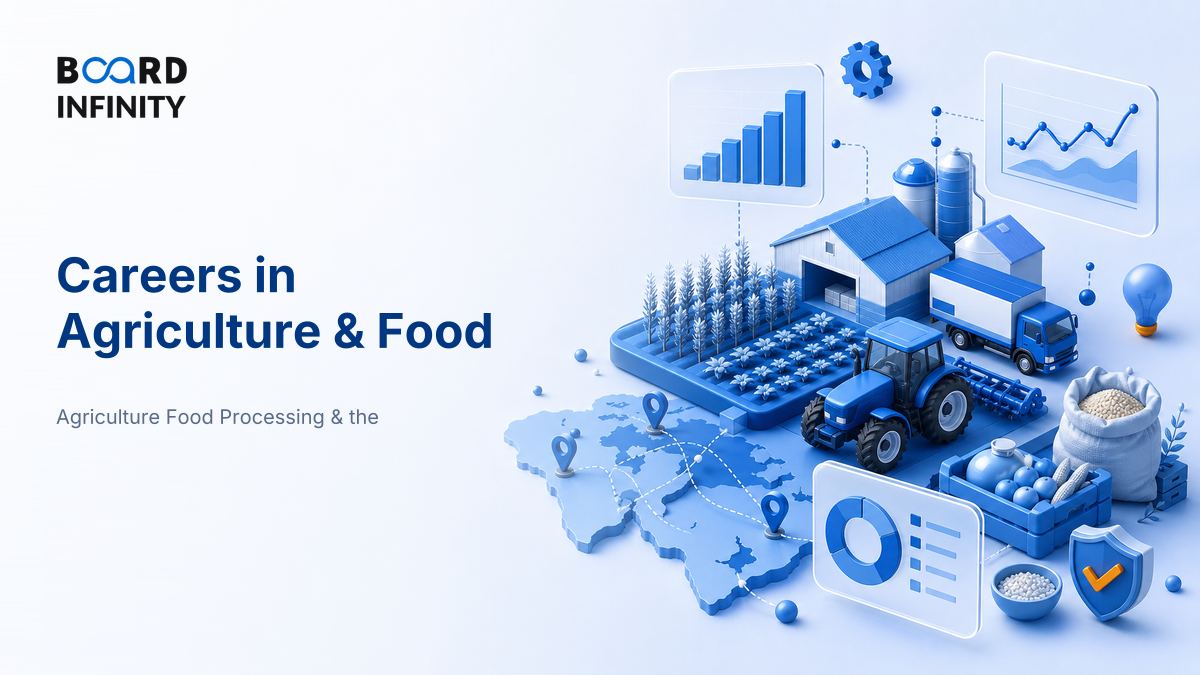
Why does one MBA graduate spend mango season at a procurement hub while another prices a premium snack in a city supermarket - and both are in “agriculture and food”? Because this sector is not one career lane. It is a farm-to-fork system where your job, pay, lifestyle and exit options change completely depending on where you sit in the value chain.
- Agriculture and food careers split by value chain: inputs, farm services, procurement, processing, brands, distribution, foodservice, finance and sustainability.
- MBA roles are usually commercial, operational or analytical: sales, category, procurement, supply chain, product, growth, strategy, credit, commodity risk or sustainability.
- Employer type matters more than sector label: FMCG food, agri-inputs, commodity traders, dairy/cooperatives, agritech startups and development institutions offer very different careers.
- Pay is not just CTC: compare fixed cash, variable risk, field allowances, location cost, ESOP quality and learning density.
- Best-fit rule: choose agri-inputs if you like technical B2B selling, food brands if you like consumer marketing, procurement if you like ground execution, and agritech if you like ambiguity.
- Common mistake: treating “agri” as rural and “food” as FMCG. The real map is value chain plus capability plus employer economics.
Big Picture: Agriculture and Food Is a Career System, Not a Sector Label
The easiest way to understand agriculture and food careers is to follow value creation. Someone supplies the farmer, someone aggregates produce, someone processes it, someone brands or sells it, and someone finances, insures, transports or analyzes the system. MBA jobs appear wherever coordination, margin, demand and risk must be managed.
Core Explanation: The Five Career Lanes You Must Be Able to Map
Think of this sector as five career lanes. Each lane rewards a different capability, hires from different employer pools, and creates different pay and lifestyle trade-offs.
1. Agri-inputs and farm productivity
This includes seeds, fertilisers, crop protection, irrigation, animal nutrition, farm equipment and advisory services. MBA roles here are often territory sales, channel management, product management, key account management, rural marketing and business development.
The work is close to farmers, dealers and distributors. It rewards field stamina, technical curiosity and trust-building. Employers include Indian and multinational crop science, fertiliser, seed, animal health, equipment and agri-services companies.
2. Farm-gate procurement and commodity sourcing
This lane is about buying the right produce at the right quality, quantity, price, location and time. MBA roles include procurement manager, sourcing lead, quality-linked buying, commodity analyst, FPO partnerships, warehouse operations and supply planning.
It is commercially sharp because small quality changes can affect yield, wastage and margin. It is also operationally demanding because seasons, weather, mandis, transport and farmer relationships matter.
3. Food processing, manufacturing and supply chain
This includes dairy, snacks, staples, beverages, frozen food, edible oils, meat, seafood, ingredients and packaged foods. MBA roles include plant planning, supply chain, demand planning, quality systems, vendor development, distribution planning and operations excellence.
Food manufacturing sits at the intersection of cost, safety, shelf life and service level. If you like measurable execution, this is one of the strongest lanes.
4. Consumer food brands, retail and foodservice
This is the most familiar lane for many MBA students: packaged food brands, dairy brands, quick-service restaurants, cloud kitchens, retail, e-commerce grocery and food delivery ecosystems. Roles include brand management, category management, trade marketing, sales leadership, revenue growth management and customer marketing.
The work rewards consumer insight, pricing judgment and route-to-market execution. It looks like marketing, but the back-end economics of shelf life, inventory, cold chain and wastage make it different from many non-food categories.
5. Enablers: finance, insurance, sustainability, analytics and platforms
These are roles in agri-finance, warehouse receipt finance, crop insurance, carbon and regenerative agriculture programs, traceability platforms, agri-marketplaces and data analytics. MBA roles include credit policy, risk, product, partnerships, platform operations, strategy and sustainability program management.
This lane is growing in importance because food systems increasingly need financing, compliance, climate resilience and better data.
Definitions You Should Be Able to Say Cleanly
- Agribusiness: The commercial system that supplies farms, buys output, processes food, and moves it to consumers profitably.
- Food value chain: Linked activities that convert farm output into safe, packaged, distributed and consumed food.
- CTC: The employer's total annual cost of employing you, not your guaranteed take-home salary.
- Procurement: Sourcing produce at the right quality, price, quantity, timing and location for the buyer.
- Category management: Managing assortment, price, promotion and availability to grow a product category profitably.
Employer Map: Who Hires MBAs in Agriculture and Food?
Do not memorize company names randomly. Group employers by how they make money. That tells you what role they hire for and what they will test in interviews.
Cold-chain, warehousing and distribution roles sit very close to logistics strategy. If that path interests you, revise how the aviation and logistics value chain works to understand service levels, network design and cost-to-serve thinking.
Pay Logic: How to Compare Offers Without Getting Fooled by CTC
Agriculture and food pay varies by employer type, role intensity, location, variable component, brand premium and stage of company. Since exact salary bands change by institute, batch, city and year, the smarter interview and offer question is not “What is the package?” It is “What part of the package is reliable, and what capability does the role build?”
If two offers have similar CTC, choose the one with clearer fixed cash, sharper decision ownership and better exit options. In this sector, a tough field role can beat a comfortable desk role if it builds channel, procurement or P&L judgment early.
Role Fit: Match Your Strength to the Right Agriculture and Food Job
Use this matching logic before shortlisting roles. It prevents the classic error of applying to every “food” or “agri” company without knowing what the job actually demands.
If you are comparing agriculture and food with other B2B-heavy sectors, benchmark the role logic against careers in chemicals, metals and industrials. The customer may change, but channel economics, technical selling and plant-linked operations have useful parallels.
Case Study: DeHaat and the Full-Stack Agritech Career Map
DeHaat matters because it shows how one agritech business can create MBA roles across farmer acquisition, input sales, advisory, procurement, finance, analytics and supply chain.
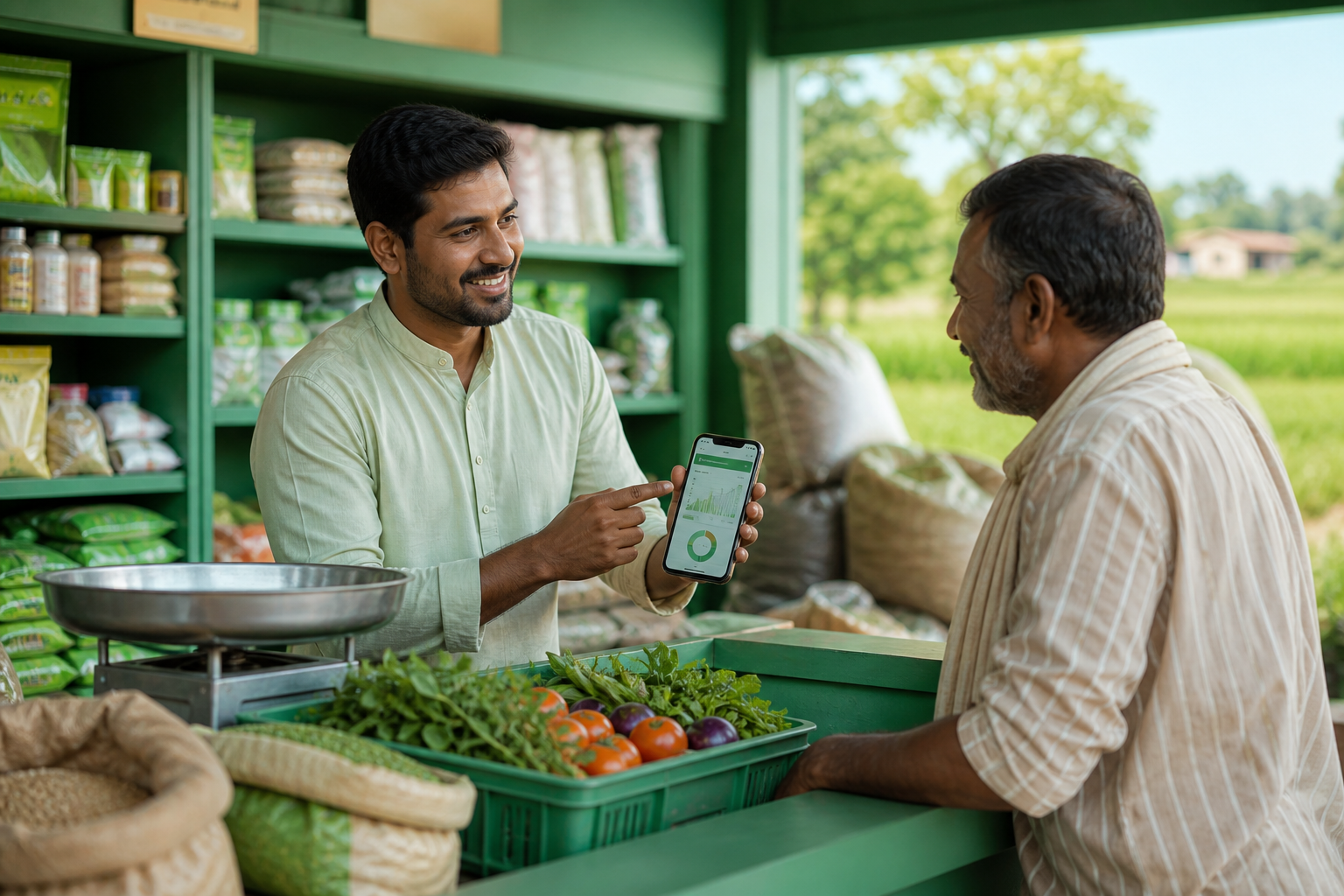
Situation: Indian farmers often face fragmented access to quality inputs, crop advice, credit, price discovery and reliable buyers. Food processors and institutional buyers, on the other side, need predictable supply, quality assurance and traceability. The business problem is not just “build an app”; it is coordinate trust, goods, money and information across a fragmented market.
The move: DeHaat built a full-stack agritech model that connects farmers with input access, advisory, financing linkages and output market linkages through a mix of digital tools and local operating networks. The primary driver is integrated farmer relationship ownership. Supporting drivers include local presence, data-led crop advisory, procurement linkages, working-capital coordination and operational execution across seasons.
The lesson: For MBA students, DeHaat is a career map in one company. A sales role is not only sales; it is channel trust. A product role is not only app features; it is farmer behavior. A procurement role is not only buying; it is quality, timing and buyer confidence.
So what: The winning career insight is that agritech is not pure technology. It is a hybrid of distribution, trust, supply chain, finance, data and agriculture knowledge.
How AI Changes Agriculture and Food Careers
AI is changing the sector most strongly where decisions are repetitive, local and data-heavy. It will not remove the need for ground execution, but it will change what good managers are expected to understand.
Use NotebookLM to upload a target company job description, its careers page and your own resume. Ask it to generate: role responsibilities, likely interview questions, missing keywords in your resume, and three sector-specific examples you should prepare. Then verify every company claim manually before using it in an interview.
Interview Relevance
“You have an MBA offer from a packaged food company, an agri-input company and an agritech startup. How would you compare the roles, employers and pay before choosing?”
A strong answer names the trade-off. For example: “The agritech role may offer faster ownership but higher ambiguity; the packaged food role may offer stronger brand training; the agri-input role may build deeper rural channel and technical sales capability.”
Common Mistake
The biggest mistake is comparing agriculture and food offers only by headline CTC or brand familiarity. It costs candidates because they miss role intensity, variable risk, location reality and learning quality. One-line fix: compare every opportunity using value-chain position, capability built, employer economics and cash certainty.